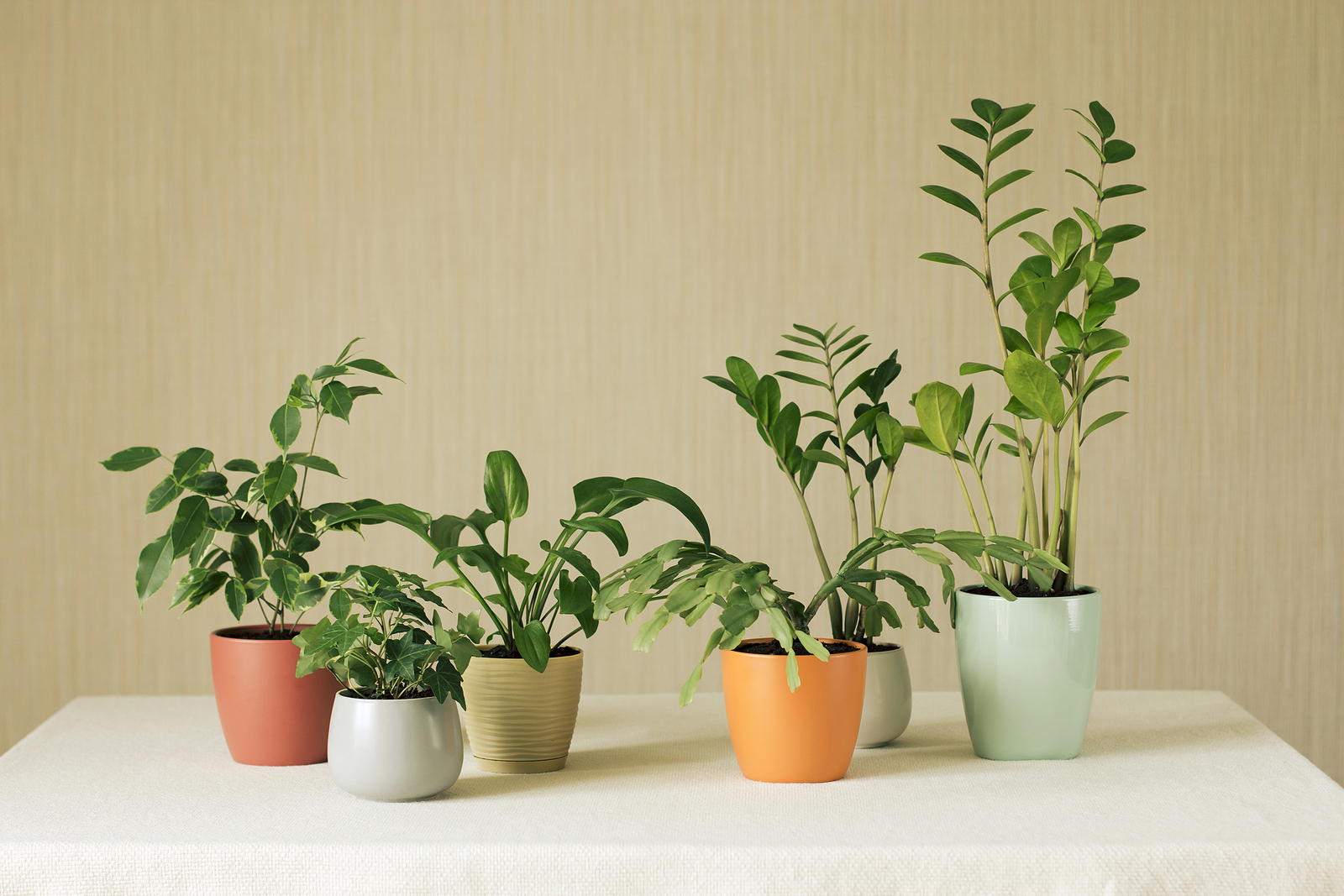
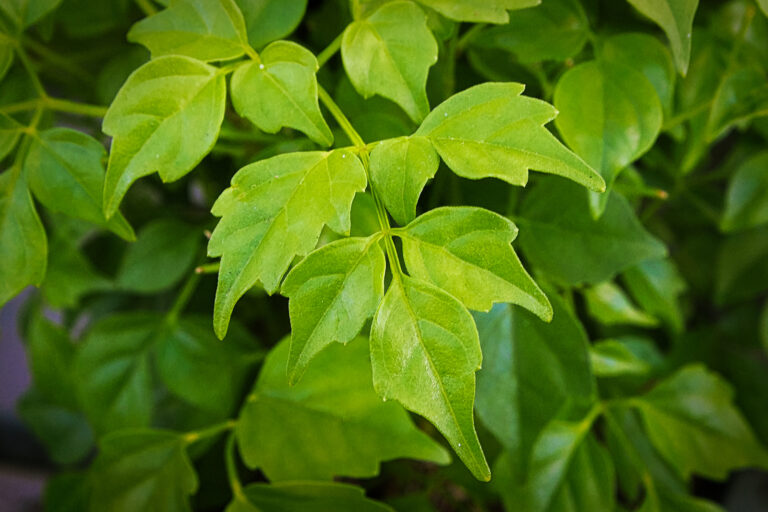
A houseplant is any plant that can be grown in an ordinary room. Houseplants can be hardy or tender but well-adapted to withstand average house conditions—dry atmosphere, warm and sometimes uneven temperatures, and often inadequate light.
The best spot for a houseplant is a room that gets sunlight, and the best position is nearest the window, but there are a few houseplants that can grow in low light.
Houseplants do best in a pot that is well-drained set in a saucer that permits excess water to seep from the pot into the saucer rather than lying about the roots of the plant. As moisture evaporates from the saucer it helps create a moist atmosphere that most plants need.
Here are four things houseplants need to grow and thrive:
Know What to Plant This Week
Every week I answer the gardener's most important question: what should I plant now? Get seasonal planting advice free — or go Pro for my full Soil Temperature Garden Report, with soil temperature, moisture, weather trends, and crop-by-crop recommendations.
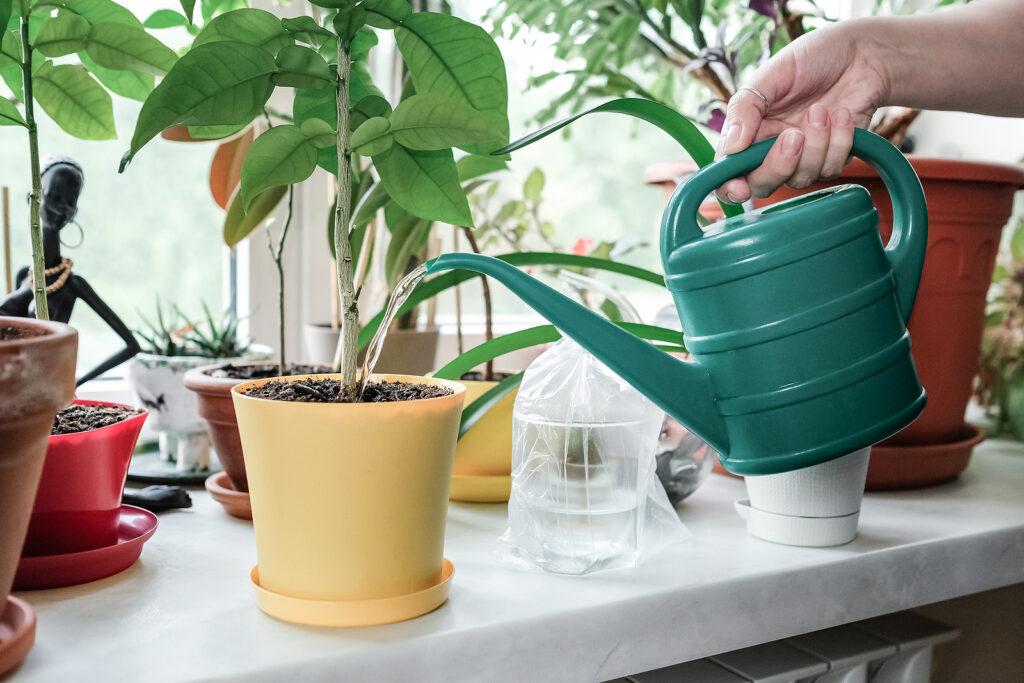
Enough water. Houseplants usually need watering once a week. They need just enough water to wet the soil and seep a bit through the bottom drainage hole.
Enough light. Light is needed for plants to metabolize water and nutrients. Bright to medium light is what most houseplants need; this is sunlight that comes through a window to several feet into a room. Houseplants need 12 to 16 hours of light and 8 to 12 hours of dark each day.
Enough heat and humidity. The optimal temperature for most houseplants is 60 to 75°F (16 to 24°C) during the day and a temperature drop at night of 5 to 10°F (3 to 6°C)—lower temperatures and darkness at night allow houseplants to rest. Related to temperature is humidity. Houseplants are almost always tropical in origin; in addition to warmth, they want humid air—not dry air that flows from a heater or air-conditioning vent.
Enough nutrients. Houseplants need nutrients but not a lot. They especially need feeding during their active growing and flowering season. At three- or four-week intervals they should receive liquid food, a complete fertilizer meaning a near even dose of nitrogen, phosphorous, and potassium—10-10-10 for foliage plants, 10-15-10 for flowering plants.
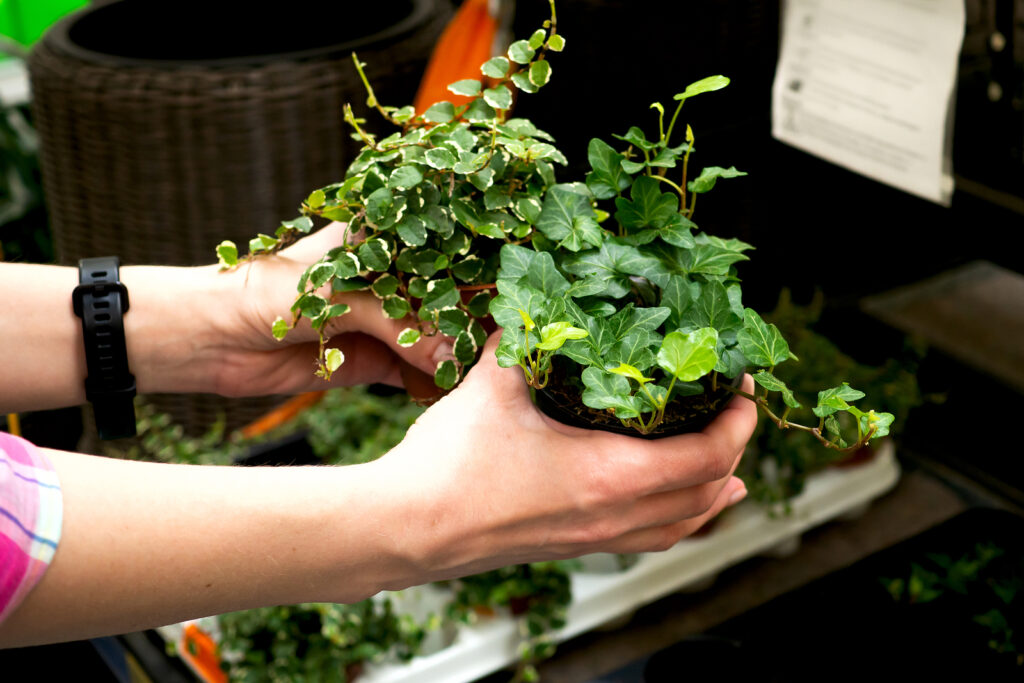
Ficus pumila and Hedera helix
How to purchase a houseplant
Decide where the plant will grow. Decide if you want a flowering plant or a foliage plant. If you need more than one plant make a list of the number of flowering and foliage plants needed. Determine the size plant needed for each spot.
Estimate the amount of light where the plant will grow. Is the spot bright, muted, or dark? Flowering plants require more light than foliage plants. If the spot for the plant is away from the window, you will need a plant that can tolerate low light.
Shop where houseplants are featured. Shop at a garden center or nursery that makes houseplants a specialty, where there is a wide selection, and where sale associates can offer advice.
Examine the plant carefully; does it look healthy? Is the color good? Does it have a pleasing shape? Is there new growth? Are the leaves free of damage and pests? Look over the selection of plants; if all of the plants look healthy that is a good sign they have been cared for. If some look wilted or stressed, exercise caution when you select your plant.
Is the plant potbound? Are roots growing through the drainage hole or over the edge of the pot? Choose a plant that is not potbound.
Choose the size plant you want. If you need a large plant for the spot you have in mind, then select a large plant—and spend a little more money. Waiting for a plant to grow to the size you want can take months, even years.
Stephen Albert is a horticulturist, master gardener, and certified nurseryman who has taught at the University of California for more than 25 years. He holds graduate degrees from the University of California and the University of Iowa. His books include Vegetable Garden Grower’s Guide, Vegetable Garden Almanac & Planner, Tomato Grower’s Answer Book, and Kitchen Garden Grower’s Guide. His Vegetable Garden Grower’s Masterclass is available online. Harvesttotable.com has more than 10 million visitors each year.
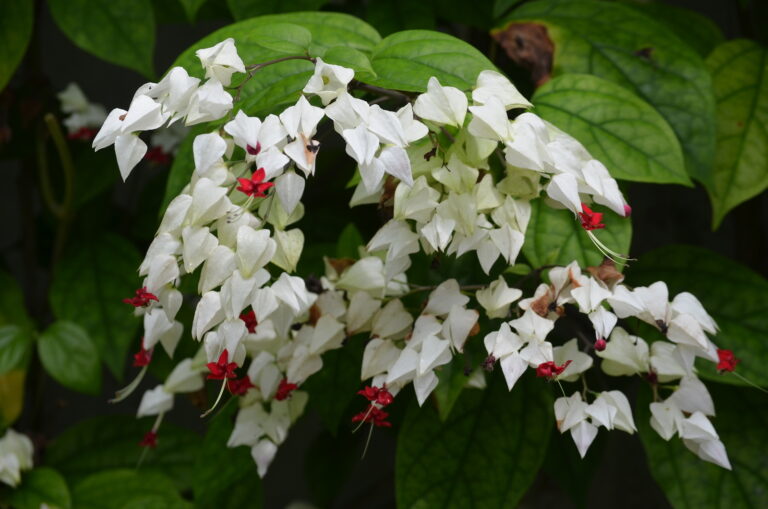
Clerodendrum–commonly called bleeding-heart vine–is a tropical vine that features brilliant red and white flowers. As a houseplant, it can be trained to a trellis or it can spill from a hanging basket. If the growing tips are nipped back, the bleeding heart vine can be trained as a small shrub. Clerodendrum can be trained on…
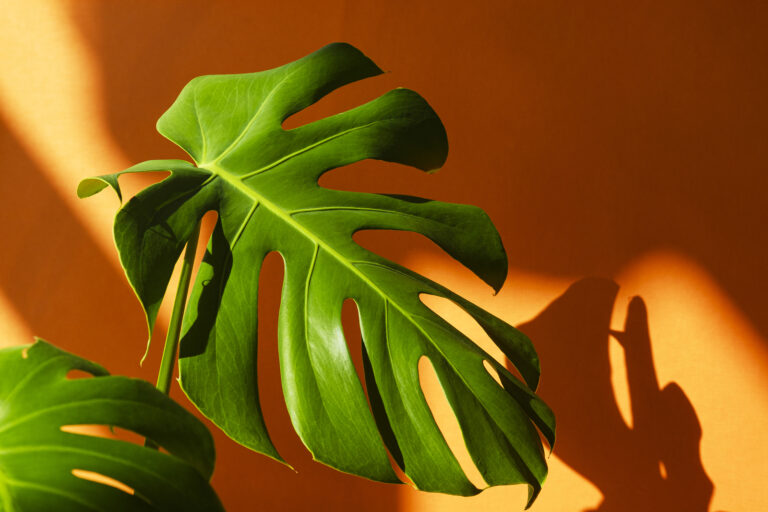
Monstera–commonly called Swiss-cheese plant–is a large vining plant with notched and perforated leaves. Monstera commonly requires support and plenty of room to roam. Monstera is a tropical plant. It is often grown as a houseplant in temperate regions. It will grow to about 6 feet tall indoors; in the tropics outdoors, it can grow to…
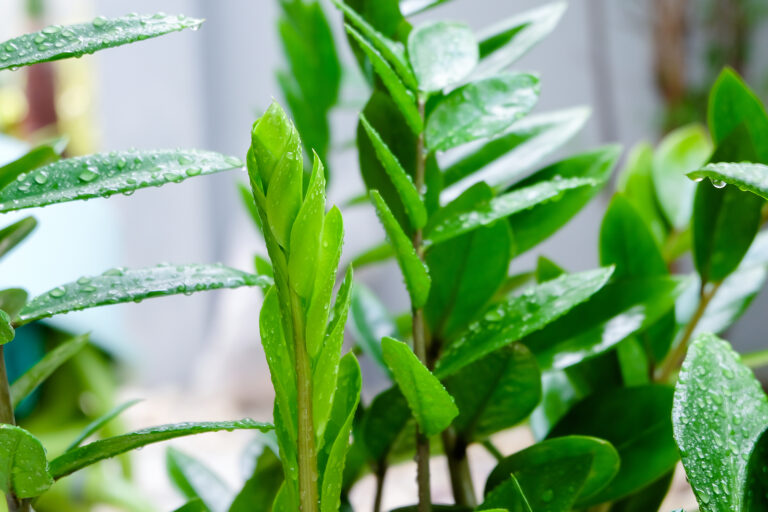
Zamioculcas–commonly called ZZ Plant–is a tropical perennial often grown as a houseplant. It has attractive dark green waxy foliage and is easy to care for. Zamioculcas has tall, arching fronds. The smooth waxy leaves reflect light giving it a bright appearance. It prefers moderate, indirect light when grown indoors. Zamioculcas grows from a rhizome which…
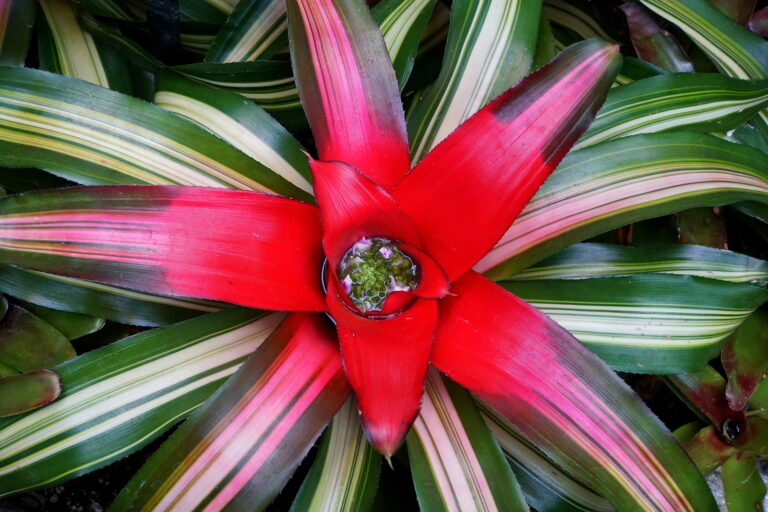
Neoregelia is a genus of tropical plants belonging to the bromeliad family, known for its striking foliage and rosette shape. These plants are native to South America, particularly Brazil, and are popular for their colorful, often variegated leaves, which can feature a range of vibrant hues like red, pink, purple, and green. Neoregelias also produce…
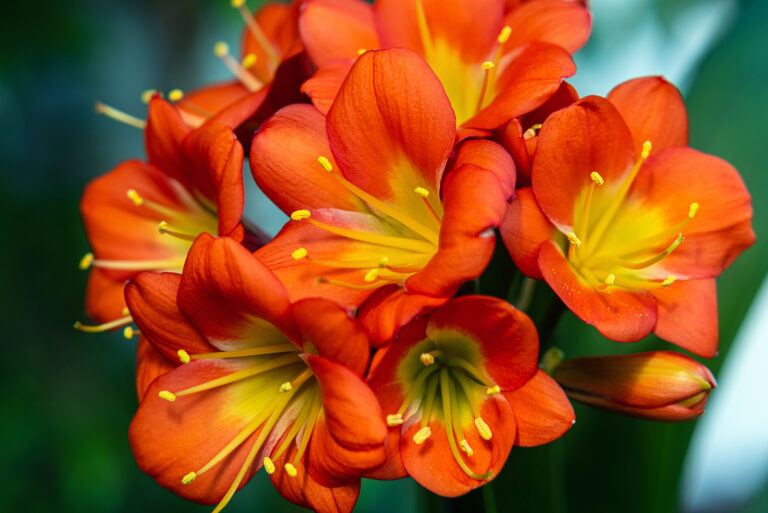
Clivia–commonly called kaffir-lily–bears clusters of brilliant, trumpet-shaped blooms alongside glossy deep green, strappy leaves. Clivia is a showy member of the amaryllis family. Grow Clivia outdoors year-round in frost-free winter regions. In colder regions grow Clivia in pots that can be set outdoors in summer and taken indoors in winter. Clivia blooms from early winter…
Radermachera is a genus of subtropical shrubs and trees that bear attractive glossy, dark green leaves that are light and wispy. One species, Radermachera sinica, is often sold as a small houseplant though it can grow to 9 feet (3m) tall indoors. Outdoors in its native tropical China, Radermachera can grow to 90 feet (30m) talll…
Gardening Tips in your Inbox!
Subscribe today to get our weekly recipe newsletter! You don’t want to miss out!