Vines for Shade

Tall trees and buildings can create shade. Planting a shady location requires plants adapted to growing without direct sunlight and tolerant of shade.
Shade-tolerant vines can be used on the north side of buildings; they can also be grown on arbors, trellises, and fences under tall trees.
Many shade-tolerant vines are native to woodland regions where they have adapted to growing under the canopy of trees. These vines will do best in dappled shade, but most can grow in a full day of shade.
Choosing Vines for Shade
When choosing a vine for a shady location, answer the following: (1) will the vine grow and thrive in your region, growing zone? (2) what height and spread does the vine have? (3) will the vine self adhere to a trellis or surface–does it have tendrils or holdfasts, or will it require tying in place? (4) is the vine evergreen or deciduous; if it’s deciduous when will it lose its foliage? (5) does the vine flower?
Know What to Plant This Week
Every week I answer the gardener's most important question: what should I plant now? Get seasonal planting advice free — or go Pro for my full Soil Temperature Garden Report, with soil temperature, moisture, weather trends, and crop-by-crop recommendations.
Vines for Shade
| A-I Common Name | Botanical Name | Zones |
| Clematis, Large-Flowered | Clematis x hybrida | 3-9 |
| Clematis, Sweet Autumn | Clematis ternifolia | 4-9 |
| Cross, Vine | Bignonia capreolata | 6-9 |
| Honeysuckle, Goldflame | Lonicera x heckrotti | 4-9 |
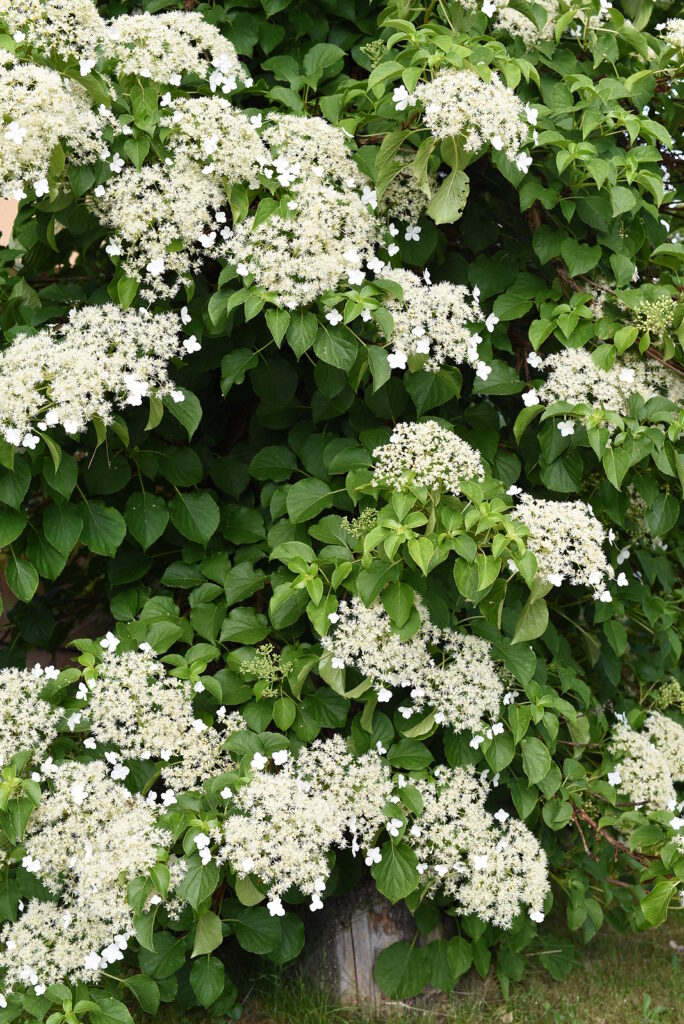
| Hydrangea, Climbing | Hydrangea petiolaris | 4-7 |
| Ivy, English | Hedera helix | 5-9 |
| Common Name | Botanical Name | Zones |
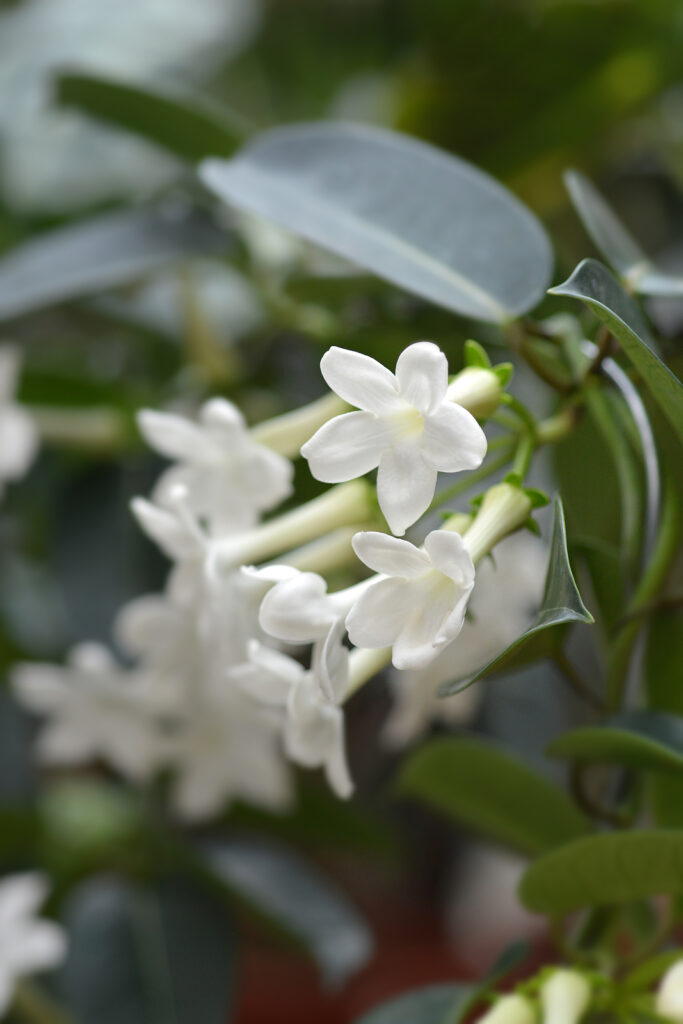
| Jasmine Madagascar | Stephanotis floribunda | 10-11 |
| Jasmine, Star | Trachelospermum jasminoides | 8-10 |
| Silver Lace Vine | Polygonum aubertii | 4-9 |
| Trumpet Vine | Campsis radicans | 4-9 |
| Virginia Creeper | Parthenocissus quinquefolia | 4-9 |
Also of interest: