Thinning and Spacing Lettuce for Optimal Growth

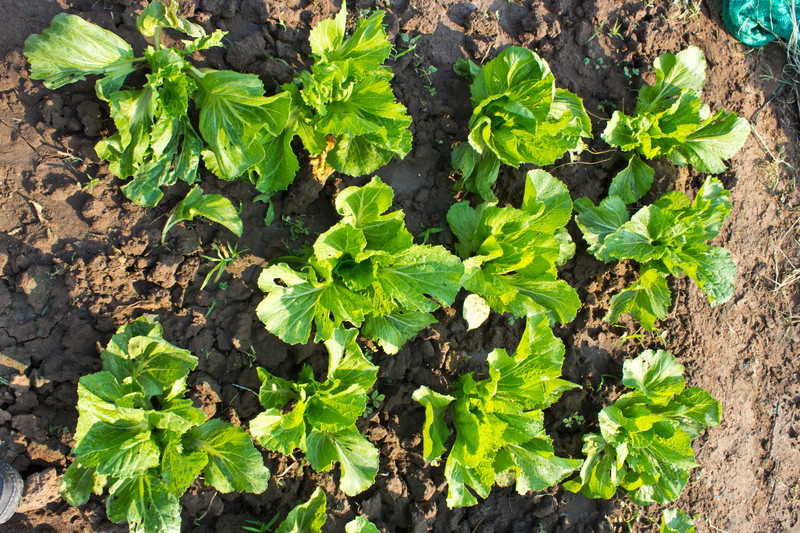
Thinning and spacing lettuce might seem like minor steps, but they can make a major difference in how your lettuce grows, how it tastes, and how much you can harvest. In more than 30 years of growing lettuce—from baby greens to full-size romaine heads—I’ve seen firsthand how proper spacing leads to healthier plants, better airflow, and fewer problems with pests and disease.
If your lettuce is crowded, it will struggle for light, nutrients, and space, leading to weak, leggy plants and smaller harvests. In this post, I’ll share how and when to thin lettuce, ideal spacing by type, and personal tips to help you grow your best crop yet.
Why Thinning Matters
When you direct sow lettuce seeds—or even start them in trays—you often plant more than needed to ensure a good germination rate. But once those seeds sprout, too many seedlings in one spot will crowd each other. Without thinning, the result is spindly plants with poor airflow and reduced head formation.
EEAT Insight:
In my own garden beds, I thin seedlings twice: once early to reduce crowding, and once again to allow the strongest plants to mature. This two-stage thinning process consistently gives me crisp, fully-formed leaves and heads.
When to Thin Lettuce
Thin lettuce seedlings when they are about 2 inches tall and have one or two sets of true leaves. This is early enough to prevent overcrowding but late enough to see which seedlings are strongest.
You can use scissors to snip extras at the soil line or gently pull them out if the soil is loose and moist. I prefer snipping—it disturbs the remaining plants less.
Ideal Lettuce Spacing by Type
The final spacing you choose depends on the variety you’re growing. Here are the general guidelines I follow:
- Baby greens (any type): Thin to 1 inch apart
- Looseleaf varieties: Thin to 4–6 inches apart
- Butterhead (Bibb): Thin to 6–8 inches apart
- Romaine: Thin to 8–10 inches apart
- Crisphead (Iceberg): Thin to 10–12 inches apart
If you’re harvesting baby leaves rather than full heads, you can keep spacing tighter. For head lettuce, give them room to mature.
Personal Tip:
I often use a staggered equidistant pattern in wide beds rather than straight rows. This method saves space and improves airflow between plants, especially in humid or rainy conditions.
What to Do With the Thinnings
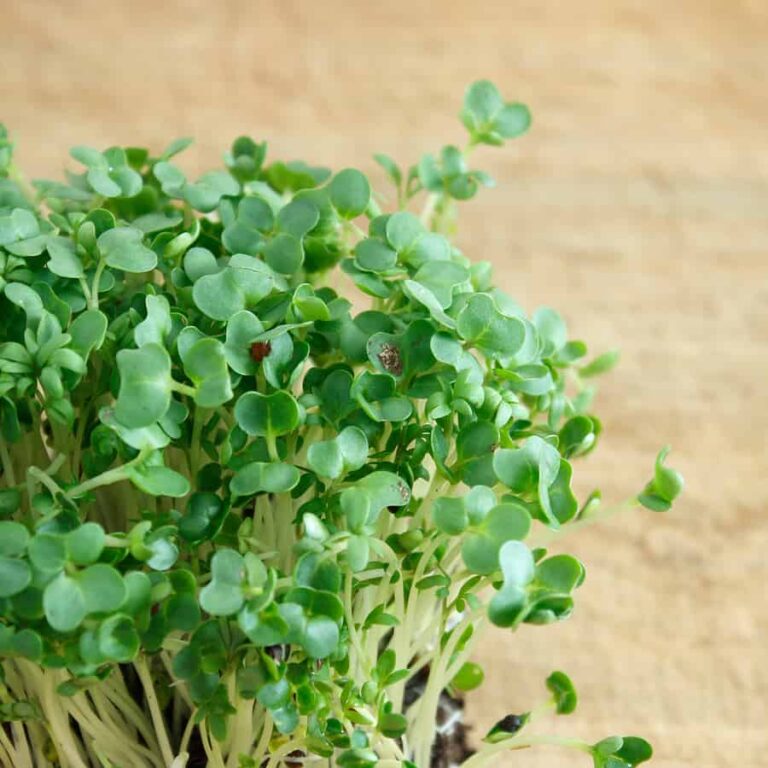
Don’t toss your thinned seedlings—they’re tender and perfect for salads! I collect them in a bowl and enjoy them as baby microgreens. Lettuce thinnings are some of the most rewarding early harvests you can get.
Tips for Success
- Thin in the morning when temperatures are cooler and seedlings are less stressed.
- Water after thinning to help remaining plants recover and reestablish roots.
- Mulch lightly between rows or plants to conserve moisture and suppress weeds.
- Monitor regularly—lettuce grows fast, so check spacing every week during early growth.
Final Thoughts
Thinning and spacing are essential steps for growing healthy, productive lettuce. It may feel hard to snip out those extra seedlings, but doing so sets your crop up for success. With the right spacing, your lettuce will have room to breathe, grow strong, and deliver bigger, better harvests.
Lettuce Growing Hub
Cluster Posts
🌱 Getting Started: Planting & Varieties
- Types of Lettuce: A Gardener’s Guide to 5 Main Types
- Lettuce Planting Calendar by Season and Region
- Lettuce Seed Starting Tips
- How to Start, Lettuce Indoors: Supplies, Timing, Tips
- How to Plant Lettuce Outdoors: Direct Sowing Tips
- Where to Grow Lettuce: Beds, Containers, Indoors & More
- Growing Lettuce in Containers
- Best Companion Plants for Lettuce: And What to Avoid
🥬 Seasonal Growing Guides
- How to Grow a Fall Lettuce Crop for Cool-Weather Harvests
- Heat-Tolerant and Bolt-Resistant Lettuce Varieties for Summer
- Best Lettuce Varieties for Winter and Cool Weather Growing
- Lettuce Care from Seed to Harvest: A Month-by-Month Guide
💧 Lettuce Care & Maintenance
- Watering Lettuce: How Much and How Often
- Feeding Lettuce: When and How to Fertilize
- Thinning and Spacing Lettuce for Optimal Growth
- Preventing Lettuce Bolting: How to Keep Lettuce From Going to Seed
🌿 Harvest & Beyond
⚠️ Troubleshooting & Special Topics