How to Plant Lettuce Outdoors: Direct Sowing Tips

Lettuce is one of the easiest and fastest-growing vegetables you can sow directly in the garden. As a gardener with more than 30 years of hands-on experience growing lettuce in raised beds, mounded rows, and containers, I’ve found direct sowing to be a time-saving, space-efficient method that works beautifully in cool weather.
Direct sowing is ideal if you want a continuous harvest of baby leaves or full heads without the extra step of transplanting. In this post, I’ll walk you through when and how to sow lettuce seeds directly outdoors, with real-life tips that have worked in my own garden year after year.
Why Direct Sow Lettuce?
Lettuce grows quickly and doesn’t require warm soil to germinate. Direct sowing eliminates transplant shock, saves space indoors, and allows for high-density planting in open beds. You’ll also get better airflow and often sturdier plants compared to starting indoors.
I direct sow lettuce in early spring and again in late summer for a fall harvest. The key is to match your sowing time to your local weather—and to keep seeds consistently moist during germination.
Know What to Plant This Week
Every week I answer the gardener's most important question: what should I plant now? Get seasonal planting advice free — or go Pro for my full Soil Temperature Garden Report, with soil temperature, moisture, weather trends, and crop-by-crop recommendations.
Best Time to Direct Sow Lettuce
Lettuce prefers cool soil (ideally 45°F–65°F) to germinate well. Here’s a timing guide I use:
- Spring Planting: Sow 2–4 weeks before your last expected frost. In my Sonoma Valley garden, that means mid-February to mid-March.
- Fall Planting: Sow 8–10 weeks before your first frost, usually around early September here.
- Succession Planting: For a continuous harvest, I sow new seeds every 10–14 days.
EEAT Insight:
In my experience, early sowings work best with a protective row cover to buffer against cold snaps and speed up germination. Fall sowings need extra attention to moisture, especially in dry climates.
Supplies You’ll Need
You don’t need much to get started:
- Lettuce Seeds: Choose varieties suited for the season (e.g., heat-tolerant for summer, cold-hardy for fall).
- Fine Seedbed: Prepare a smooth, weed-free surface with loose, well-drained soil.
- Garden Rake or Hand Hoe: For smoothing the soil and making shallow furrows.
- Watering Can or Hose with Fine Spray: Gentle watering is key for germination.
- Floating Row Cover (optional): Helps retain moisture and protect seedlings from pests.
How to Direct Sow Lettuce Step-by-Step
1. Prepare the Soil
Loosen the top 2–3 inches of soil and remove weeds. Rake the surface smooth. Add compost or organic fertilizer if needed.
2. Make Shallow Furrows
Use a stick or the edge of your hand to create furrows about 1/4 inch deep. Space rows 6–12 inches apart, depending on the variety and whether you want baby greens or heads.
3. Sow Seeds
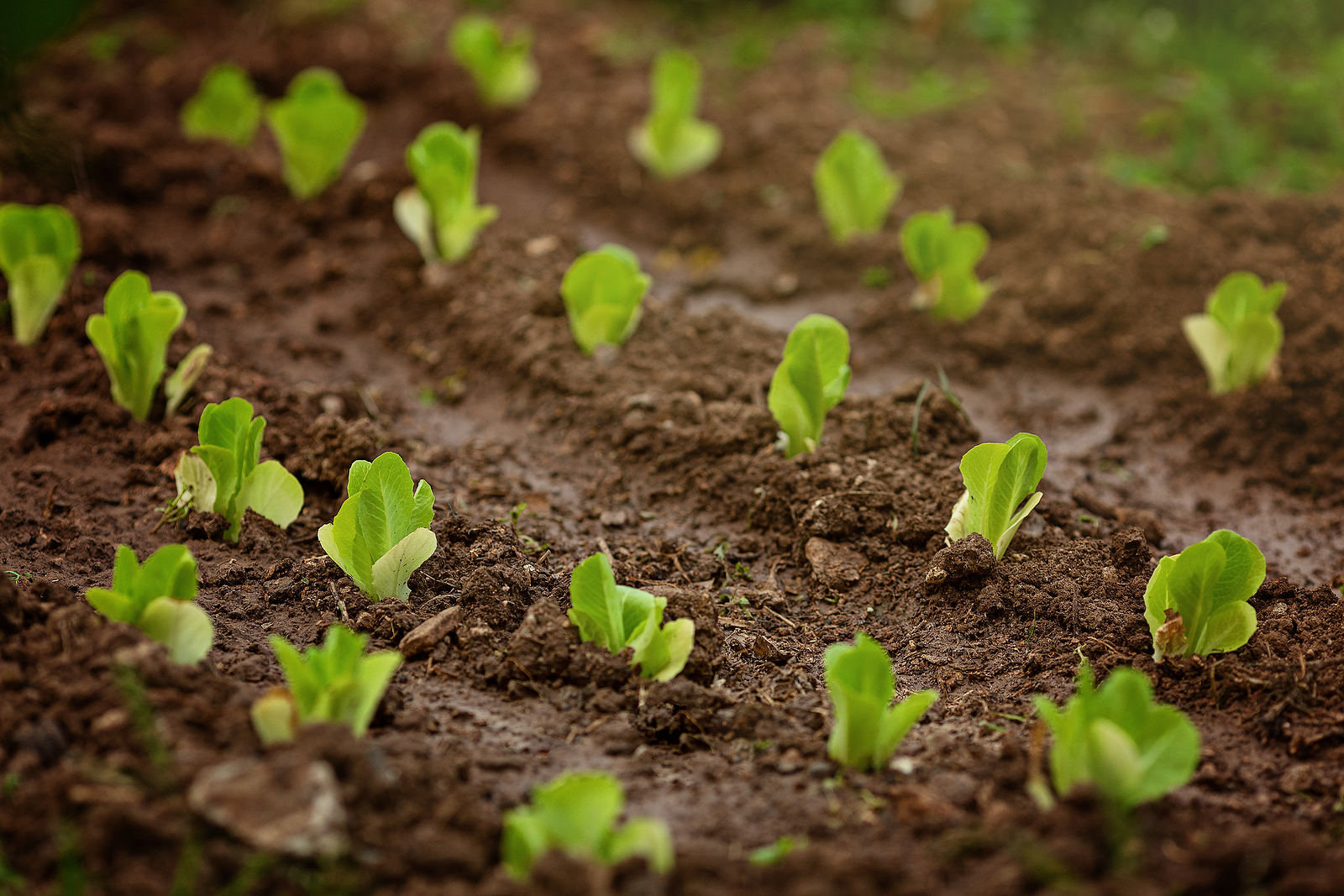
Sprinkle seeds thinly in the furrows. I sow heavily and thin later to ensure good coverage. For baby lettuce, sow densely; for heads, aim for 4–6 inches apart.
4. Cover Lightly
Gently cover seeds with a light dusting of soil or fine compost. Press down lightly to ensure good seed-to-soil contact.
5. Water Gently and Consistently
Use a fine spray to moisten the soil. Keep it consistently moist (but not soggy) until germination—usually 5–10 days.
6. Thin Seedlings
Once seedlings are 2–3 inches tall, thin them to final spacing:
- Baby greens: 1 inch apart
- Looseleaf: 4 inches
- Romaine and heads: 6–10 inches
Don’t waste the thinnings—you can eat them as microgreens.
Personal Tip from My Garden
I often cover newly sown rows with a floating row cover for the first week. It protects from birds and slugs, and keeps moisture in. In hot weather, I even use shade cloth to keep the soil from drying out too quickly—especially for summer succession sowings.
I’ve also learned not to overwater after the seeds sprout—too much water can cause damping-off. A light misting in the morning is often enough.
Final Thoughts
Direct sowing lettuce outdoors is quick, efficient, and satisfying. Once you get the timing and moisture right, you’ll enjoy tender greens in just a few weeks. With the right varieties and a few succession sowings, you can grow lettuce nearly year-round.
Lettuce Growing Hub
Cluster Posts
🌱 Getting Started: Planting & Varieties
- Types of Lettuce: A Gardener’s Guide to 5 Main Types
- Lettuce Planting Calendar by Season and Region
- Lettuce Seed Starting Tips
- How to Start, Lettuce Indoors: Supplies, Timing, Tips
- How to Plant Lettuce Outdoors: Direct Sowing Tips
- Where to Grow Lettuce: Beds, Containers, Indoors & More
- Growing Lettuce in Containers
- Best Companion Plants for Lettuce: And What to Avoid
🥬 Seasonal Growing Guides
- How to Grow a Fall Lettuce Crop for Cool-Weather Harvests
- Heat-Tolerant and Bolt-Resistant Lettuce Varieties for Summer
- Best Lettuce Varieties for Winter and Cool Weather Growing
- Lettuce Care from Seed to Harvest: A Month-by-Month Guide
💧 Lettuce Care & Maintenance
- Watering Lettuce: How Much and How Often
- Feeding Lettuce: When and How to Fertilize
- Thinning and Spacing Lettuce for Optimal Growth
- Preventing Lettuce Bolting: How to Keep Lettuce From Going to Seed
🌿 Harvest & Beyond
⚠️ Troubleshooting & Special Topics