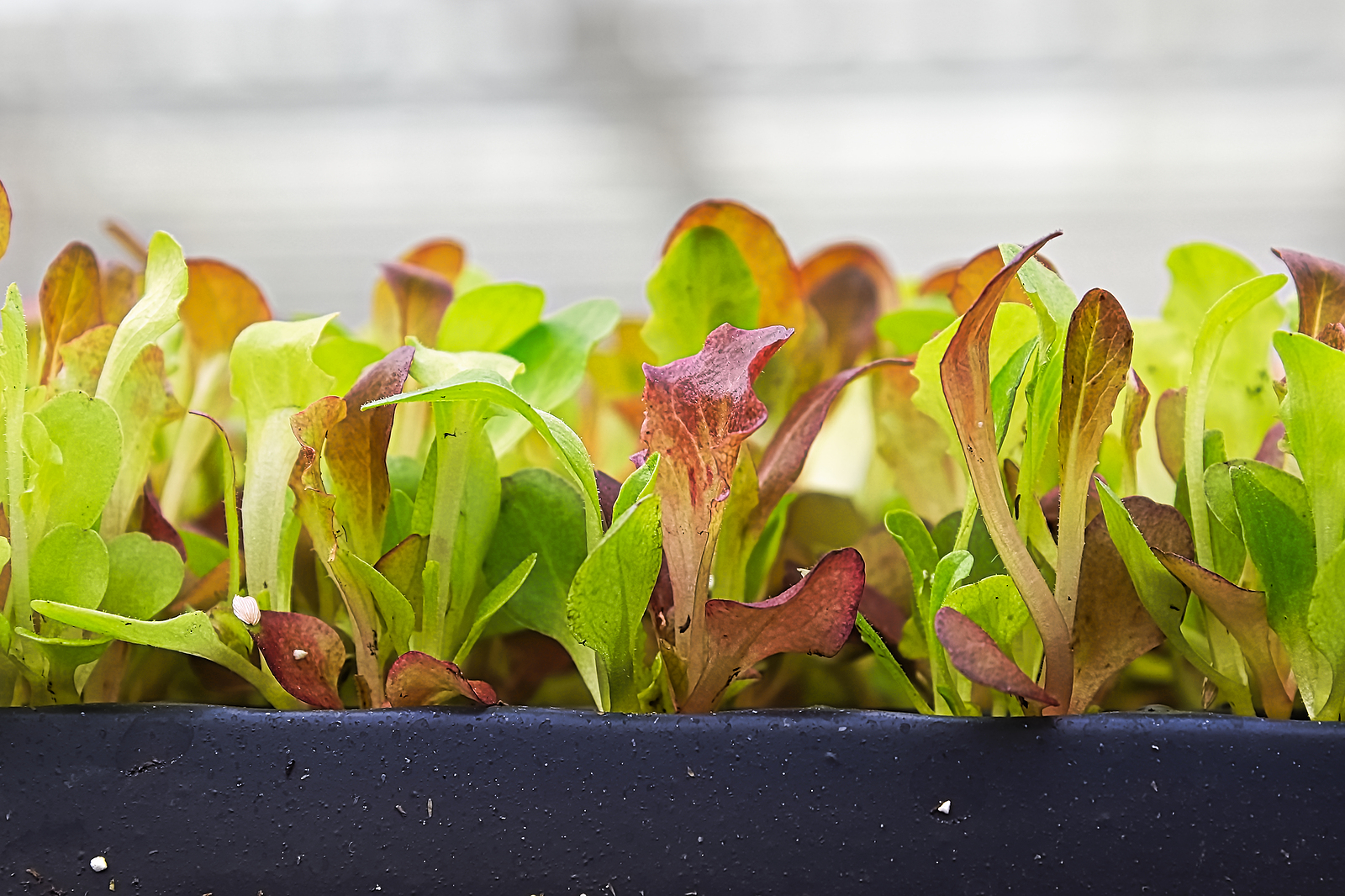
How to Start Lettuce Indoors: Supplies, Timing, Tips

Starting lettuce indoors is one of the easiest and most reliable ways to get a head start on your salad garden. As a gardener with more than 30 years of hands-on experience growing lettuce in raised beds, containers, and seed trays, I’ve learned that starting lettuce indoors increases germination success, helps you beat the heat (or cold), and lets you grow the exact varieties you want.
Whether you’re preparing for an early spring garden or want a steady supply of greens year-round, here’s how to start lettuce indoors the right way.
Why Start Lettuce Indoors?
Starting lettuce indoors gives you control over temperature, light, and moisture—three factors that dramatically impact lettuce seed germination and early growth. Lettuce prefers cool conditions for germination—around 60°F to 65°F—but will still sprout in temperatures as low as 40°F. If you’re growing in late winter or summer, indoor starting helps avoid poor germination from cold or heat stress.
Personal Tip:
I start my lettuce under grow lights in a cool room in my house from late January through early October. This setup has helped me extend my lettuce growing season far beyond what outdoor sowing allows.
Know What to Plant This Week
Every week I answer the gardener's most important question: what should I plant now? Get seasonal planting advice free — or go Pro for my full Soil Temperature Garden Report, with soil temperature, moisture, weather trends, and crop-by-crop recommendations.
Best Time to Start Lettuce Indoors
The timing depends on your local climate and growing goals:
- Spring Garden: Start seeds indoors 4 to 6 weeks before your last expected frost.
- Fall Garden: Start seeds 8 to 10 weeks before your first expected frost.
- Year-Round Greens (in containers or cold frames): Start new trays every 2 to 3 weeks for continuous harvests.
Use a calendar and your local frost dates to schedule plantings. I’ve found a simple spreadsheet helps me track sowing and transplanting times across the seasons.
Supplies You’ll Need
Here’s what I use to start lettuce indoors:
- Seed Starting Trays or 6-cell packs: Choose shallow trays with drainage holes. Lettuce doesn’t need deep cells.
- Seed Starting Mix: Use a light, fine-textured mix designed for germination. Avoid heavy potting soil.
- Lettuce Seeds: Choose varieties suited to your season—looseleaf types like ‘Black Seeded Simpson’ for fast harvests or romaine types for cooler weather.
- Clear Humidity Dome (optional): Helps maintain consistent moisture and warmth for germination.
- Spray Bottle or Gentle Watering Can: Keeps soil evenly moist without disturbing seeds.
- Grow Light or Bright Window: Lettuce needs 12–14 hours of light daily to grow strong indoors.
How to Start Lettuce Seeds Indoors
Follow these simple steps for best results:
1. Fill Trays with Mix
Fill seed trays with pre-moistened seed starting mix. Level the surface gently.
2. Sow Seeds
Sow 2–3 seeds per cell or scatter thinly if using an open flat. Press seeds lightly into the soil; don’t cover more than 1/8 inch deep—lettuce needs light to germinate.
3. Water Gently
Mist or water carefully to moisten the seeds without washing them away.
4. Cover and Keep Warm
Cover trays with a dome or plastic wrap and place in a cool spot (60–65°F). Seeds typically germinate in 3–7 days.
5. Provide Light
As soon as seedlings emerge, place them under grow lights or in a bright window. Keep lights 2–3 inches above the plants to prevent leggy growth.
6. Thin and Harden Off
When seedlings have two true leaves, thin to the strongest one per cell. Harden off plants outdoors for a few days before transplanting to the garden.
Insights From My Garden to Yours
I’ve been starting lettuce indoors for decades across different climates in California. I’ve grown everything from heirloom butterheads to modern heat-resistant romaines. What’s helped most is consistency: same trays, same mix, careful tracking, and light every day. Sharing this method in person and online, I’ve seen beginner gardeners go from struggling with poor germination to harvesting bowl after bowl of homegrown lettuce.
If you’re growing lettuce for the first time, or want to improve your results, starting indoors is one of the most rewarding and dependable steps you can take.
Final Tip
Want lettuce year-round? Try starting a new tray every 2–3 weeks indoors. You can transplant to beds, containers, or harvest baby greens directly from your seed trays.
Lettuce Growing Hub
Cluster Posts
🌱 Getting Started: Planting & Varieties
- Types of Lettuce: A Gardener’s Guide to 5 Main Types
- Lettuce Planting Calendar by Season and Region
- Lettuce Seed Starting Tips
- How to Start, Lettuce Indoors: Supplies, Timing, Tips
- How to Plant Lettuce Outdoors: Direct Sowing Tips
- Where to Grow Lettuce: Beds, Containers, Indoors & More
- Growing Lettuce in Containers
- Best Companion Plants for Lettuce: And What to Avoid
🥬 Seasonal Growing Guides
- How to Grow a Fall Lettuce Crop for Cool-Weather Harvests
- Heat-Tolerant and Bolt-Resistant Lettuce Varieties for Summer
- Best Lettuce Varieties for Winter and Cool Weather Growing
- Lettuce Care from Seed to Harvest: A Month-by-Month Guide
💧 Lettuce Care & Maintenance
- Watering Lettuce: How Much and How Often
- Feeding Lettuce: When and How to Fertilize
- Thinning and Spacing Lettuce for Optimal Growth
- Preventing Lettuce Bolting: How to Keep Lettuce From Going to Seed
🌿 Harvest & Beyond
⚠️ Troubleshooting & Special Topics