Shrubs for Hedges

A hedge is a continuous and close planting of shrubs, and occasionally trees, along a boundary to protect and enclose a garden or property. A hedge can also be a division line within the garden to set one portion apart from another.
The term hedge does not necessarily imply a rigidly pruned and restrained growth, though it often is. Walls of living green can be developed by pruning or simply by allowing plants to grow close. An unsheared casual hedge belongs to a more free-and-easy landscape; also it requires more room.
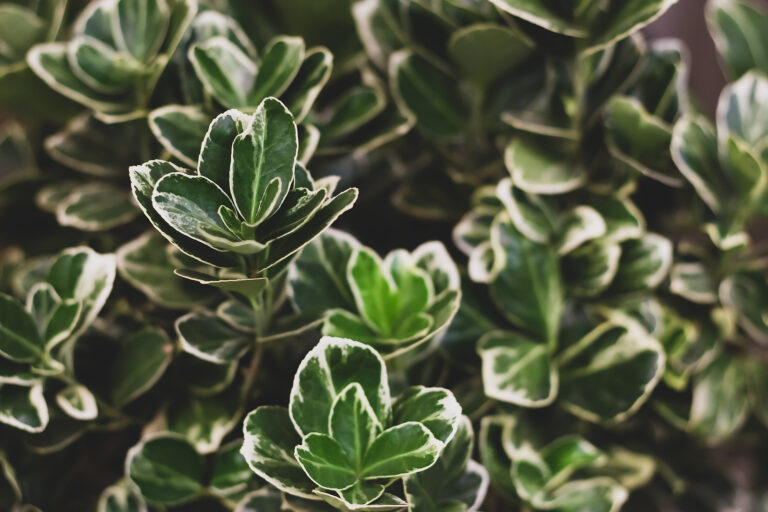
Shrubs for hedges are commonly evergreen, but not always. The first choice for a clipped hedge is almost always an evergreen shrub. A clipped evergreen hedge will give an unbroken surface.
Flowering shrubs are effective for untrimmed hedges. Deciduous shrubs planted close together will create a garden wall that may be transparent in winter, but if plants are set close enough they will still serve as a boundary.
Know What to Plant This Week
Every week I answer the gardener's most important question: what should I plant now? Get seasonal planting advice free — or go Pro for my full Soil Temperature Garden Report, with soil temperature, moisture, weather trends, and crop-by-crop recommendations.
How to choose a shrub for a hedge
To choose a shrub or shrubs for a hedge, choose first a plant that will grow in your region or growing zone. Some plants that are evergreen in warmer zones may be deciduous in cooler zones. Know if you are choosing an evergreen or deciduous plant. Second, decide if you want a flowering or non-flowering hedge.
For quick results, set deciduous shrubs as close as 9 inches (23cm) apart and evergreen shrubs as close as 18 inches (46cm) apart. If you are not in a hurry, plants can be set further apart.

Shrubs for hedges
| A-B Common Name | Botanical Name | Zones |
| Abelia, glossy | Abelia x grandiflora | 6-9 |
| Arborvitae, Emerald | Thuja occidentalis ‘Emerald’ | 3-8 |
| Azaleas, Exbury | Rhododendron Exbury hybrids | 4-8 |
| Azalea, Northern Lights | Rhododendron ‘Northern Lights’ | 4-7 |
| Barberry, Japanese | Berberis thunbergii | 4-8 |
| Bayberry, northern | Myrica pensylvanica | 2-6 |
| Boxwood, English | Buxus sempervirens ‘Suffruticosa’ | 6-8 |
| Boxwood, Green Beauty | Buxus microphylla ‘Green Beauty’ | 5-9 |
| Boxwood, Korean | Buxus microphylla koreana | 5-9 |
| Boxwood, Wintergreen | Buxus microphylla ‘Wintergreen’ | 4-6 |

| C-F Common Name | Botanical Name | Zones |
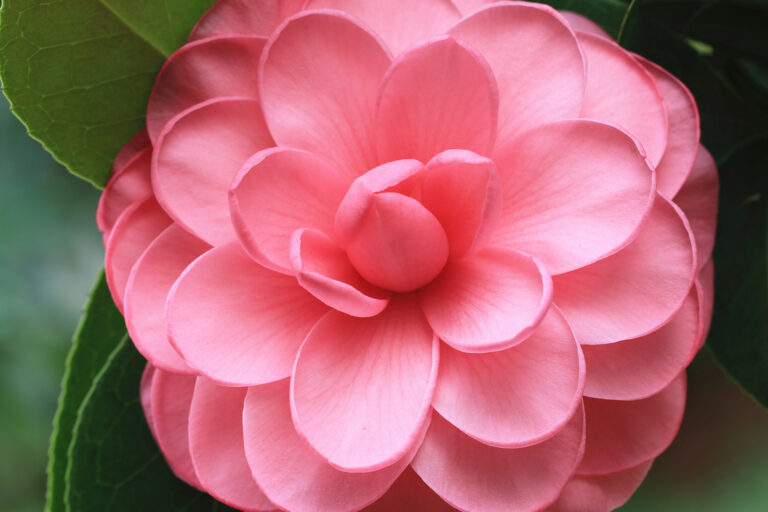
| Camellia, sasanqua | Camellia sasanqua | 7-9 |
| Cape honeysuckle | Tecomaria capensis | 10-11 |
| Coralberry | Symphoricarpos orbiculatus | 10-11 |
| Currant, Green Mound alpine | Ribes alpinum ‘Green Mound’ | 2-7 |
| Dogwood, corneliancherry | Cornus mas | 4-8 |
| Dogwood, gray | Cornus racemosa | 4-7 |
| Euonymous, Manhattan spreading | Euonymous kiautschovicus “Manhattan’ | 4-8 |
| Firethorn, scarlet | Pyracantha coccinea | 6-8 |
| Firehorn, Yukon Belle | Pyracantha angustifolia ‘Yukon Belle’ | 5-9 |
| Forsythia, border | Forsythia x intermedia | 6-9 |

| H-J Common Name | Botanical Name | Zones |
| Hawthorn, Indian | Rhaphiolepis indica | 6-9 |
| Hibiscus, Chinese | Hibiscus rosa-sinensis | 9-10 |
| Holly, dwarf Burford | Ilex cornuta ‘Bufordii Nana’ | 6-9 |
| Holly, dwarf Yaupon | Ilex vomitoria ‘Nana’ | 7-10 |
| Holly, Green Lustre | Ilex crenata ‘Green Lustre’ | 4-6 |
| Holly, winterberry | Ilex verticillata | 3-9 |
| Honeysuckles | Lonicera spp. | Varies |
| Ixdora; jungle geranium | Ixora coccinea | 10-11 |
| Jasmine, downy | Jasminum multiforum | 9-10 |
| Juniper, Parson’s | Juniperus chinensis ‘Parsonii’ | 3-9 |
| Juniper, tam | Juniperus sabina ‘Tamariscifolia’ | 3-7 |

| L-P Common Name | Botanical Name | Zones |
| Laurel, cherry | Prunus caroliniana | 6-9 |
| Lilac, common | Syringa vulgaris | 3-7 |
| Lilac, cutleaf | Syringa x laciniata | 4-8 |
| Lilac, Miss Kim | Syringa patula ‘Miss Kim’ | 3-7 |
| Lilac, Persian | Syringa x persica | 3-7 |
| Oleander | Nerium oleander | 8-10 |
| Photinia, redtip | Photinia x fraseri | 6-9 |
| Pieris, Japanese | Pieris japonica | 5-8 |
| Pieris, mountain | Pieris floribunda | 4-8 |
| Pittosporum, Japanese | Pittosporum tobira | 8-10 |
| Potentilla, shrubby | Potentilla fruticosa | 2-7 |
| Privet, Amur | Ligustrum amurense | 3-7 |
| Privet, Chinese variegated | Ligustrum sinense | 7-10 |
| Privet, golden vicary | Ligustrum x vicaryi | 5-8 |
| Privet, wax-leaf | Ligustrum lucidum | 7-10 |

| R-S Common Name | Botanical Name | Zones |
| Rock rose, white | Cistus x hybrids | 8-10 |
| Rose, Betty Prior | Rosa ‘Betty Prior’ | 5-9 |
| Rose, Graham Thomas | Rosa ‘Graham Thomas’ | 5-9 |
| Rose, Iceberg | Rosa ‘Iceberg’ | 4-9 |
| Rose, Peace | Rosa ‘Peace’ | 5-9 |
| Rose, Pink Meidiland | Rosa Pink Mediland | 5-9 |
| Serviceberry | Amelanchier alnifolia | 4-5 |
| Silverberry | Elaeagnus pungens | 7-9 |
| Spirea, baby’s breath | Spirea thunbergii | 2-8 |
| Spirea, Vanhoutte | Spirea x vanhouttei | 3-8 |
| Spruce, dwarf Alberta | Picea glauca ‘Conica’ | 3-8 |
| Spruce, dwarf Norway | Picea abies ‘Pumila’ | 3-8 |

| T-Z Common Name | Botanical Name | Zones |
| Texas ranger | Leucophyllum frutescens | 8-10 |
| Viburnum, arrowwood | Viburnum dentatum | 3-8 |
| Viburnum, compact American | Viburnum trilobum ‘Alfredo’ | 2-7 |
| Viburnum, sweet | Viburnum odoratissimum | 2-7 |
| Yew, Hick’s upright | Taxus x media ‘Hicksii’ | 4-7 |
| Yew, Anglo-Japanese | Taxus x media ‘Densiformis’ | 4-7 |
Also of interest: