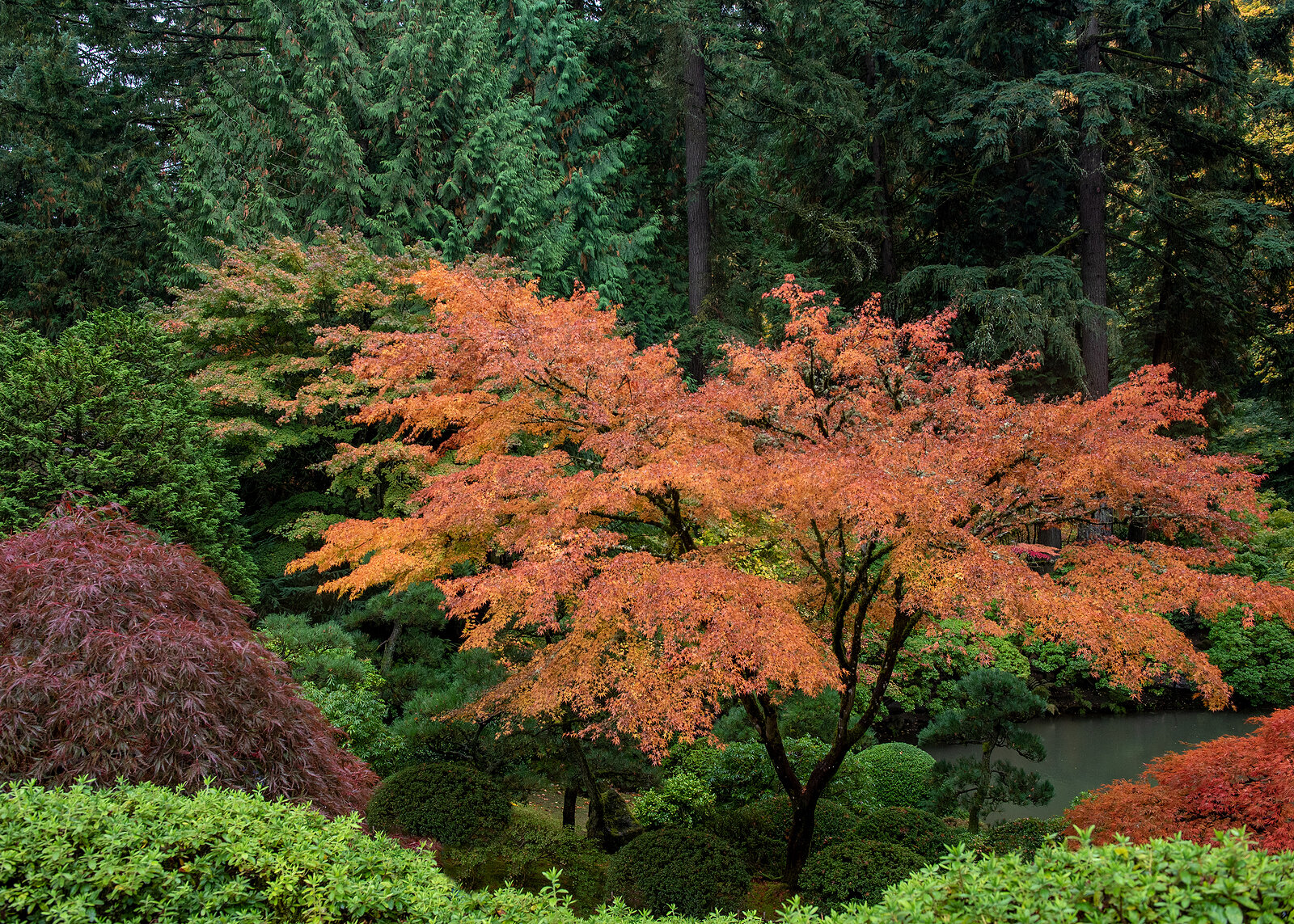
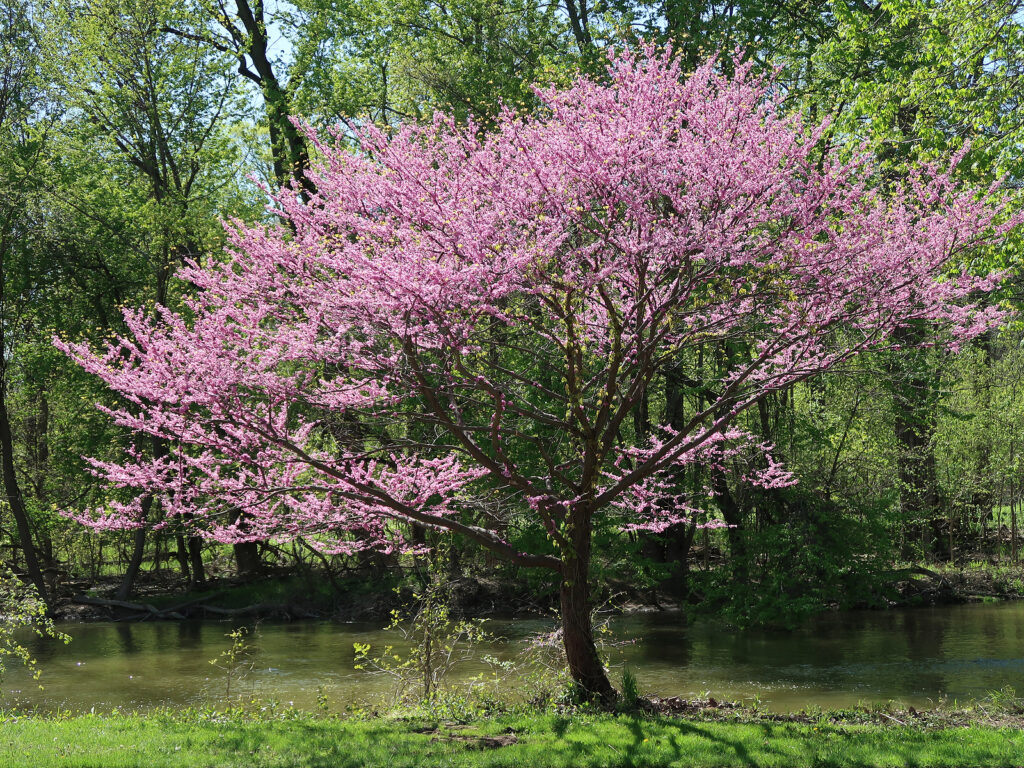
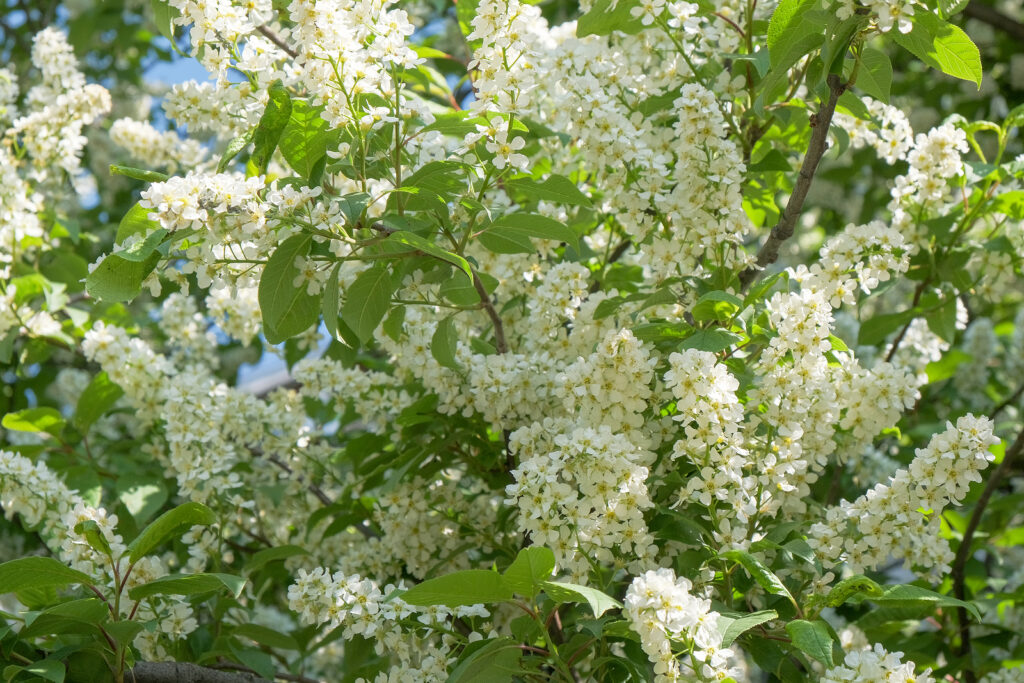
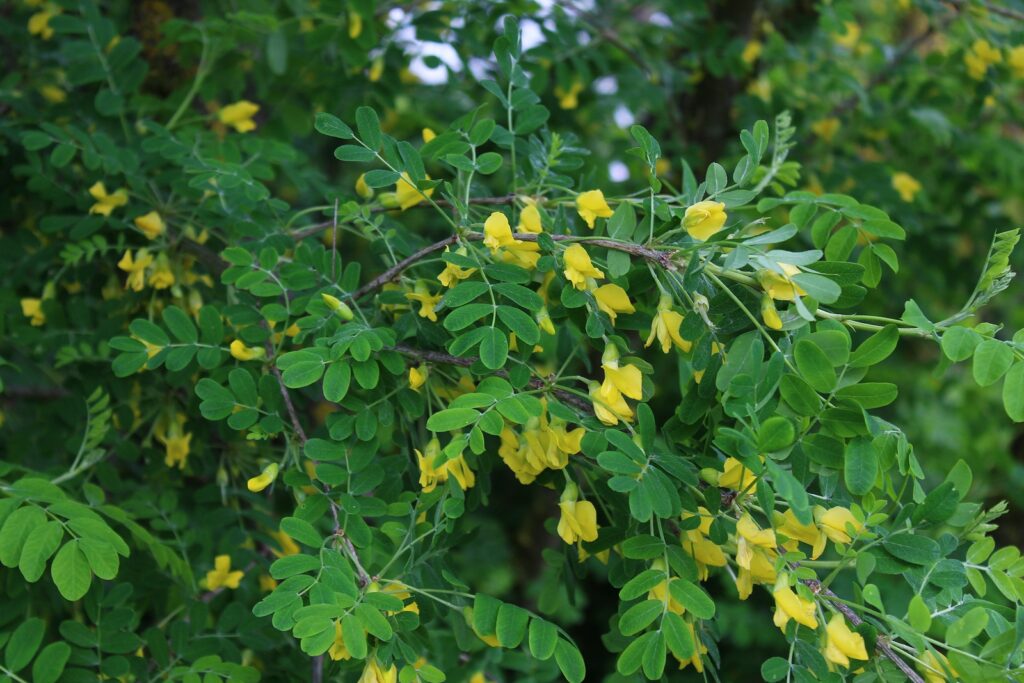
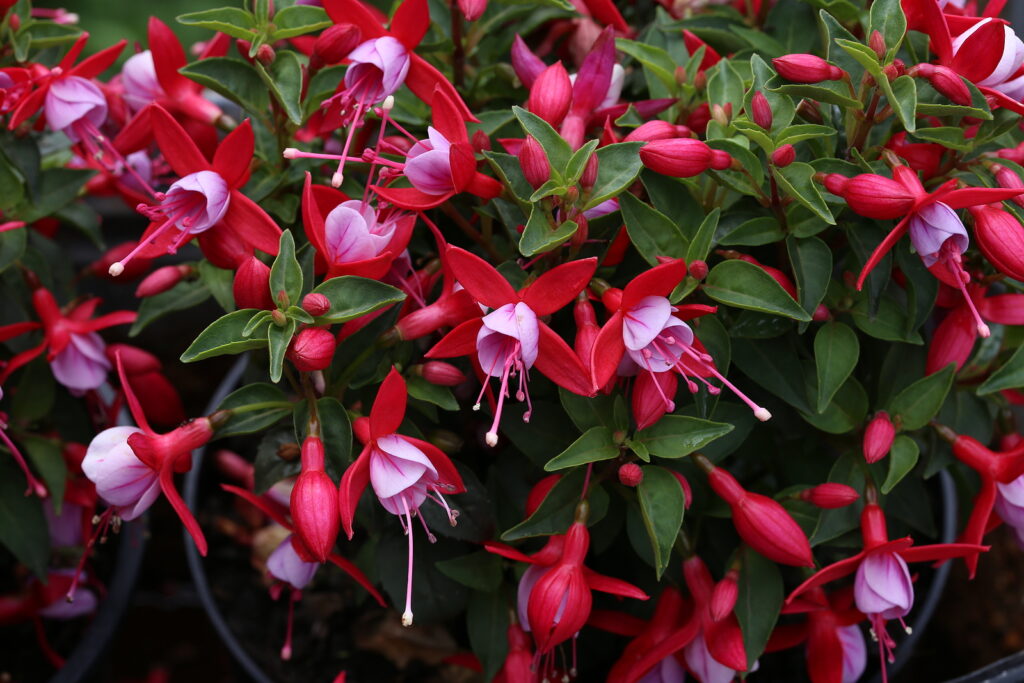
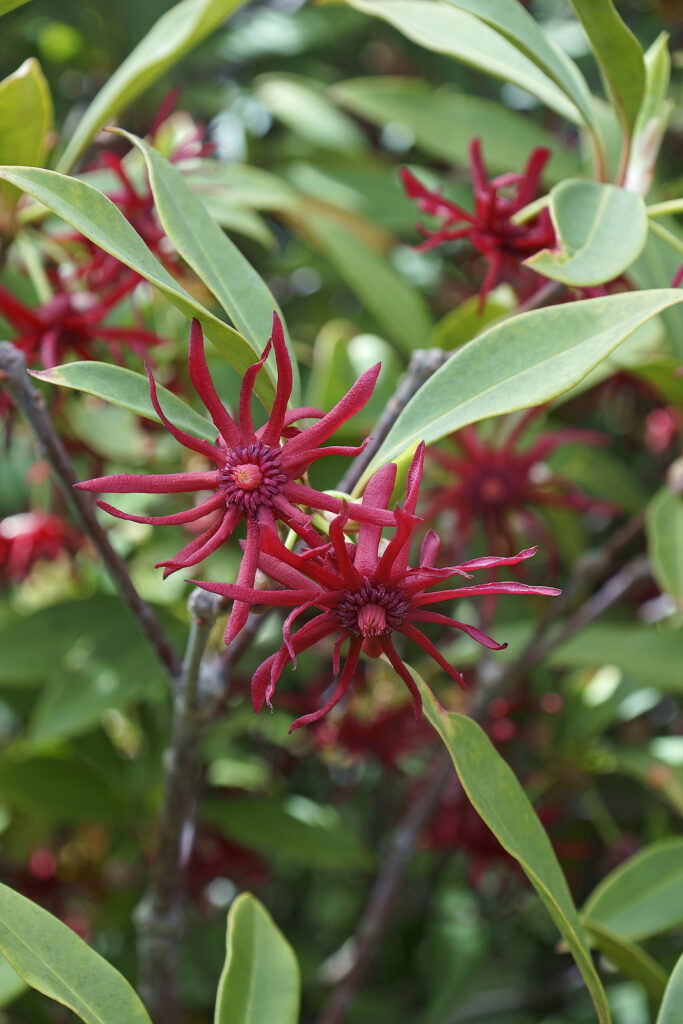
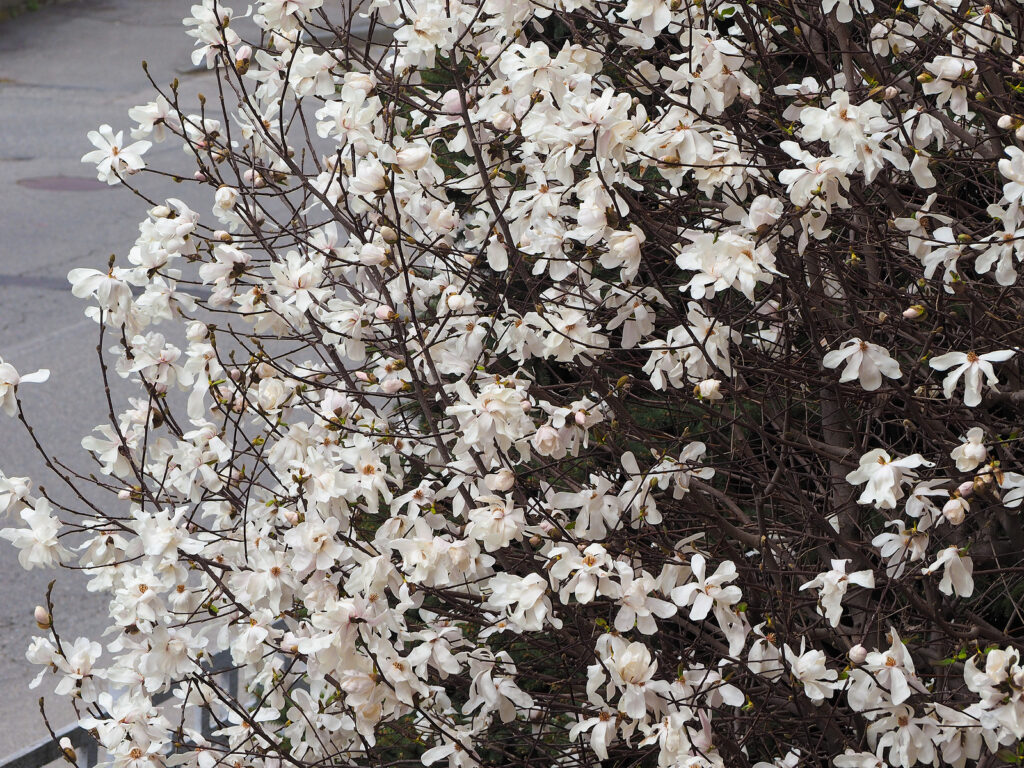
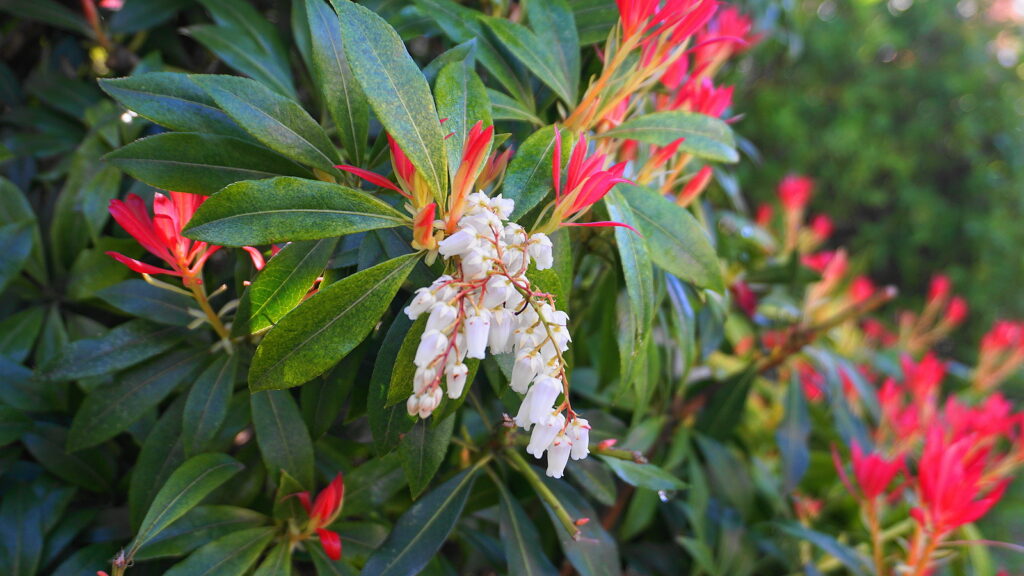
Growing trees and shrubs in shade can be a challenge if you choose plants that prefer sunny conditions. If you choose plants that are adapted to shady conditions, shade gardening is quite enjoyable and barely any work at all.
There are many shrubs and trees that prefer shade. They are understory plants that like the company of tall trees or overarching shrubs. Many have colorful blooms or foliage.
When choosing shrubs and trees for shade be sure to consider the following: (1) will the plant grow in my regions or growing zone; (2) what height and width will best fit the location; (3) is the plant evergreen or deciduous; (4) does the plant flower, have interesting foliage, or or colorful branches (for winter interest).
Planting in shade
Keep in mind that the soil under large trees can be poor or dry; trees draw up a lot of moisture and nutrients. Preparing the planting area for shade-loving shrubs and trees may require amending the soil with organic matter. Adding aged compost on a regular basis can transform poor soil. If you find tree roots in the spot where you want to plant, you can remove any roots less than 1-inch (2.5cm) in diameter without hurting the tree.
Know What to Plant This Week
Every week I answer the gardener's most important question: what should I plant now? Get seasonal planting advice free — or go Pro for my full Soil Temperature Garden Report, with soil temperature, moisture, weather trends, and crop-by-crop recommendations.
Dig a large hole for shrubs and trees, larger than you would in a sunny spot, then add plenty of aged compost or commercial organic planting mix; this will help new planting become esstablished.
Stephen Albert is a horticulturist, master gardener, and certified nurseryman who has taught at the University of California for more than 25 years. He holds graduate degrees from the University of California and the University of Iowa. His books include Vegetable Garden Grower’s Guide, Vegetable Garden Almanac & Planner, Tomato Grower’s Answer Book, and Kitchen Garden Grower’s Guide. His Vegetable Garden Grower’s Masterclass is available online. Harvesttotable.com has more than 10 million visitors each year.
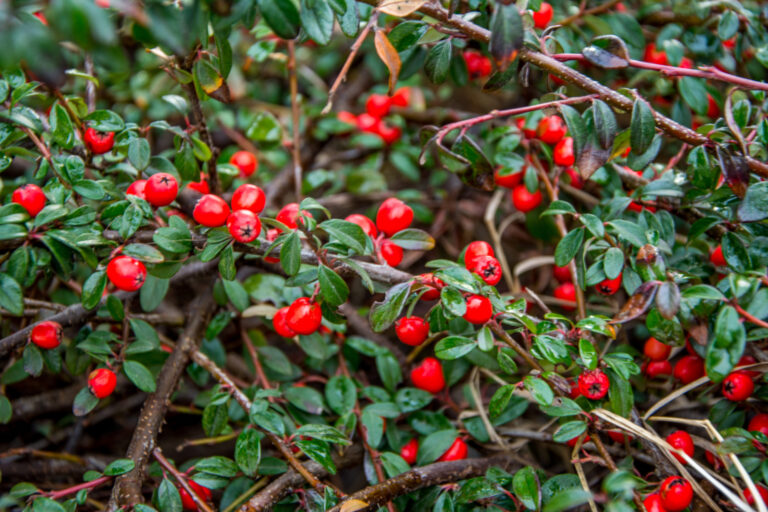
Cotoneaster is a genus of more than 200 deciduous to evergreen shrubs and small trees. Cotoneasters bear small white or pinkish flowers in late spring or summer, but they are mainly grown for their attractive branching pattern and small red to black fruits that follow the flowers in autumn and mostly remain on the plant…
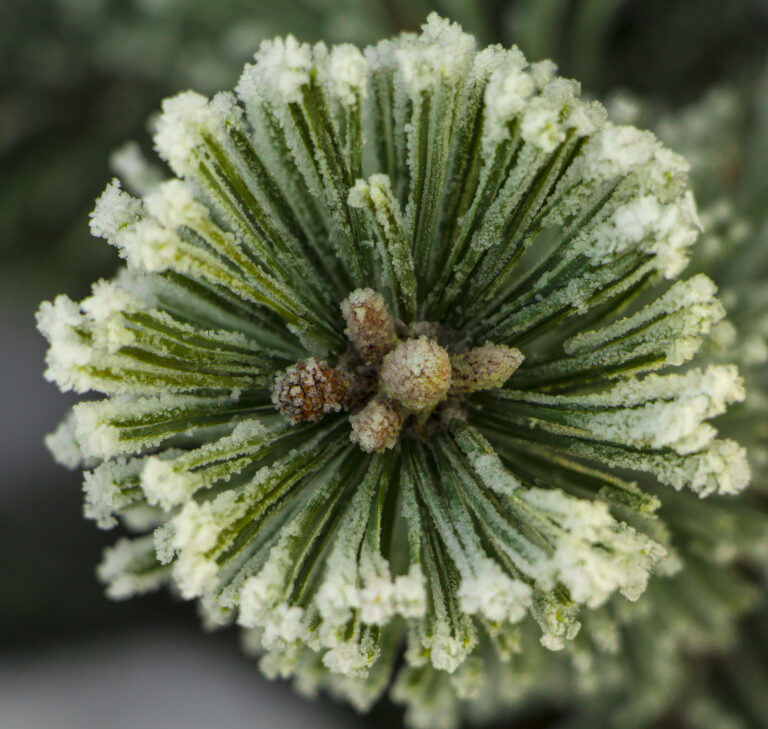
Pine is the common name of the large genus Pinus. There are many species; all are evergreen species. Pines are distinguished from conifers by their needle-like leaves in clusters of definite numbers and by their hard, woody cones that mature the second or third season. Pines are very adaptable to varied climatic conditions. They grow…
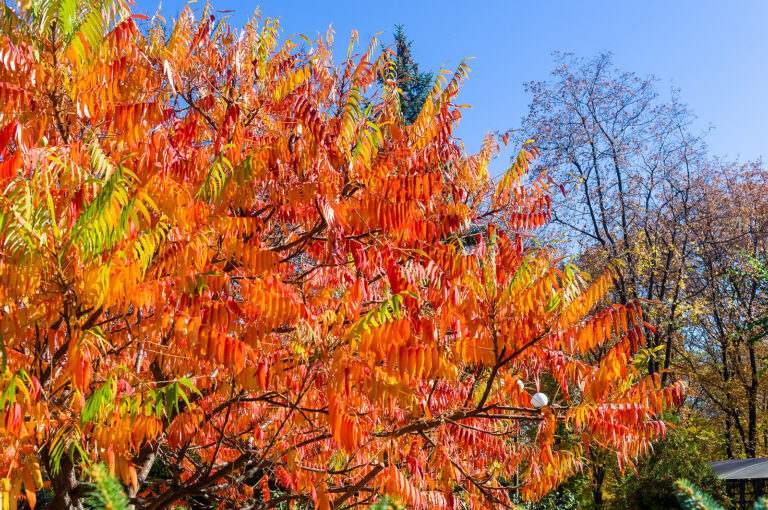
Rhus — commonly called Sumac–are evergreen and deciduous shrubs and trees notable for their brilliant fall leaf color and showy clusters of red berries that persist into winter. Many Rhus species and cultivars turn brilliant shades of yellow, red, or orange in autumn. Inconspicuous flowers appear in summer; they are followed by spherical, usually red berries. Rhus…
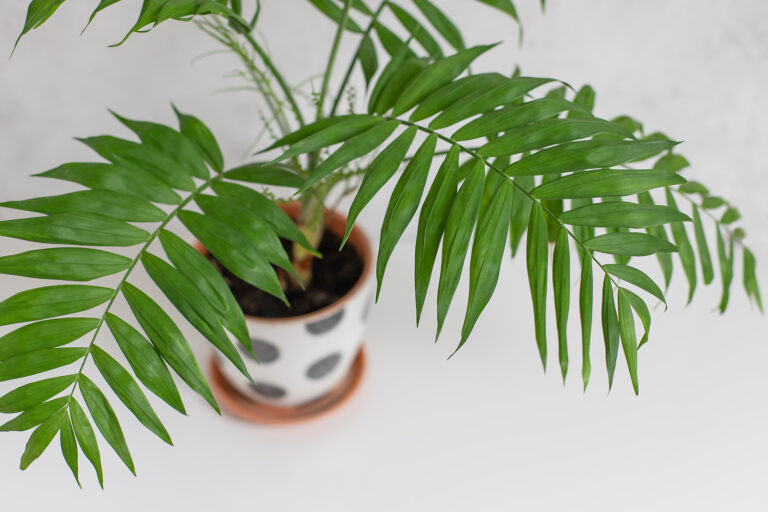
Chamaedorea–often called parlor palm–is a slender feathery palm with canelike stems. It has graceful, arching green fronds. Indoors Chamaedorea grows to about 3 feet (1m) tall with fronds about 18 inches (45cm) long. The fronds tend to grow upward rather than out. Chamaedorea is best grown in bright filtered or indirect light indoors. Outdoors it…
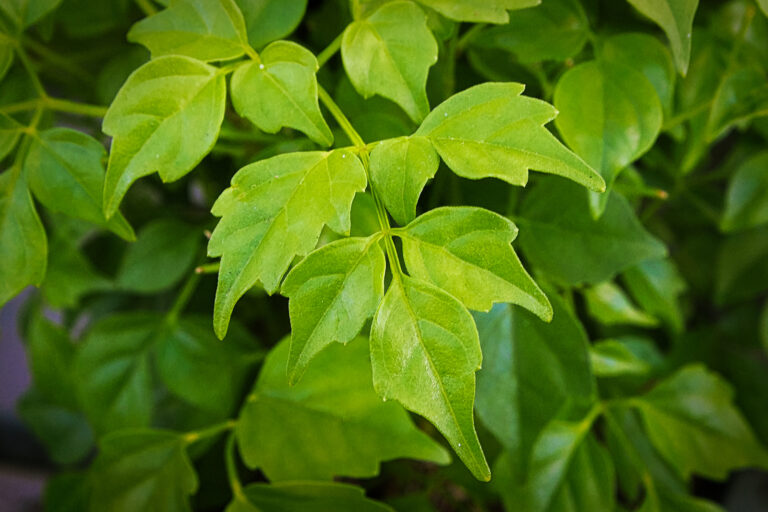
Radermachera is a genus of subtropical shrubs and trees that bear attractive glossy, dark green leaves that are light and wispy. One species, Radermachera sinica, is often sold as a small houseplant though it can grow to 9 feet (3m) tall indoors. Outdoors in its native tropical China, Radermachera can grow to 90 feet (30m) talll…
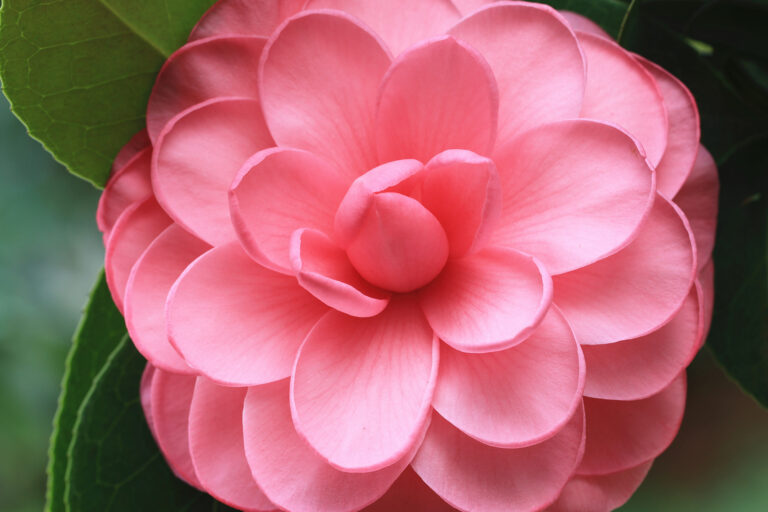
Camellia is an evergreen shrub or tree that bears showy single, semi-double, or fully double flowers in shades of white, pink, or red, in late winter or early spring. Camellia produces large rose-like flowers. Camellia sasanqua flowers open in late fall and early winter; Camellia japonica blossoms in late winter and early spring. The lush,…
Gardening Tips in your Inbox!
Subscribe today to get our weekly recipe newsletter! You don’t want to miss out!