How to Grow Welsh Poppy — Stylophorum

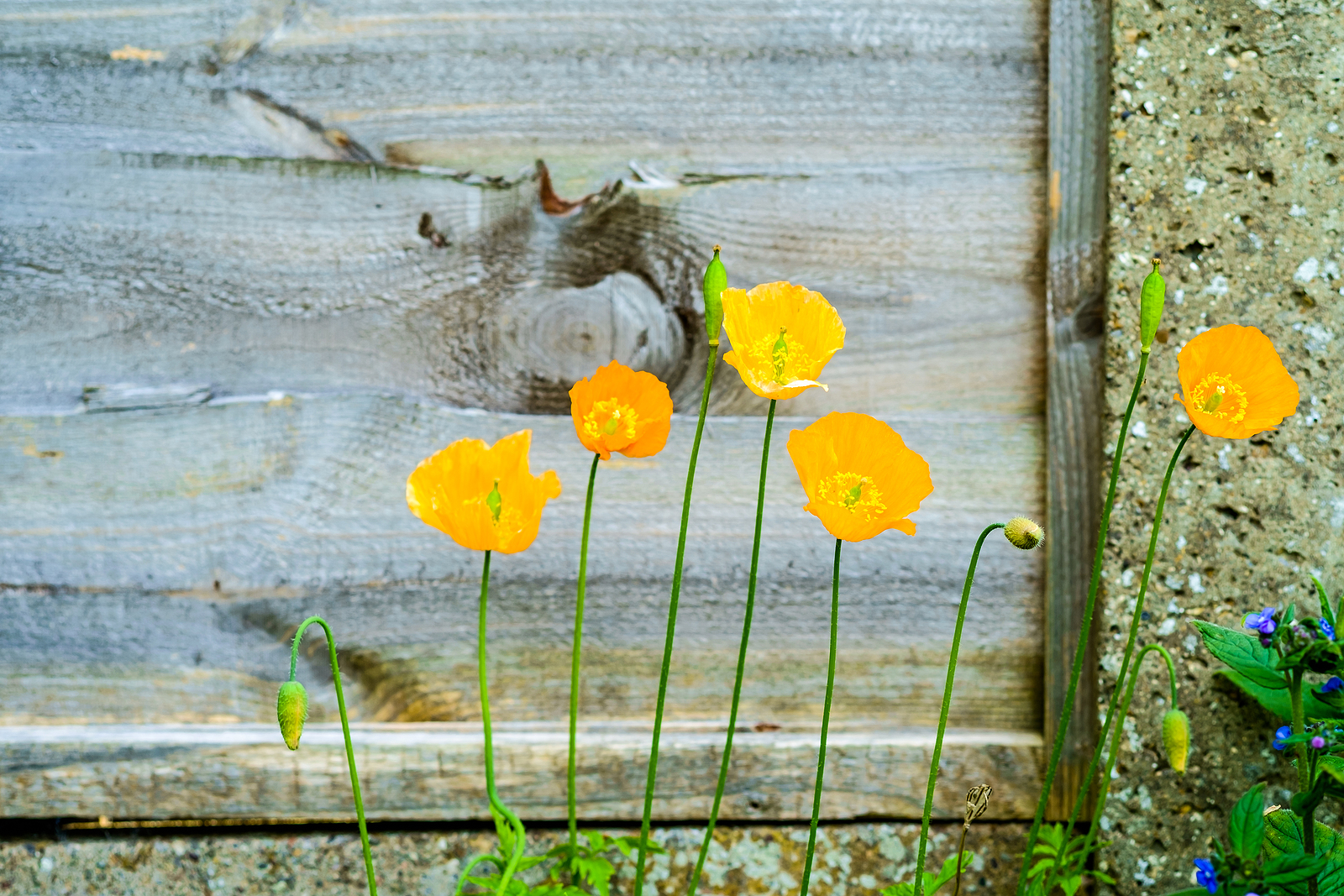
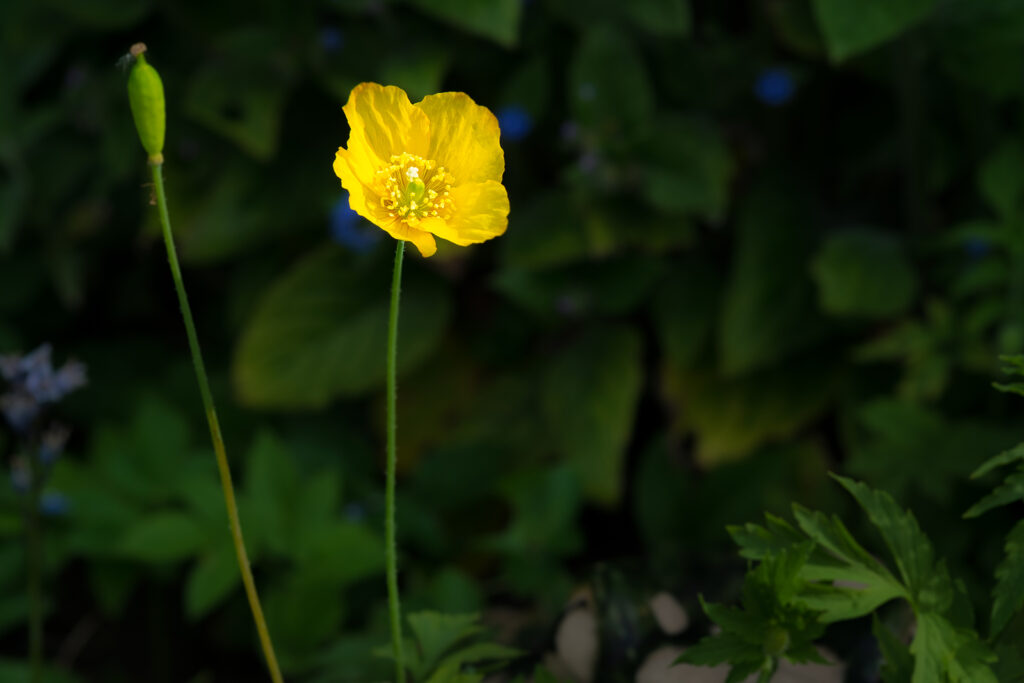
Stylophorum–commonly called Welsh poppy– produces saucer-shaped, poppy-like yellow or orange flowers on long leafless stalks. The flowers appear in spring and summer. The flower stalks Stylophorum arise from basal rosettes of bright green leaves.
Stylophorum is an attractive addition to woodland gardens and shady borders among shrubs. Stylophorum grows best in rich soil in deep shade or partial shade. Too much sun will scorch the plant. Left to itself Stylophorum will reseed and can become weedy if not occasionally thinned.
Stylophorum is a genus of three species of herbaceous perennials. Stylophorum is native to woodland in eastern North America and East Asia.
Get to know Stylophorum
- Plant type: Herbaceous perennial
- Growing zones and range: Zones 4 to 8
- Hardiness: Hardy to Zone 4
- Height and width: To 12 inches (30cm) tall and wide
- Growth rate: Moderate to fast pace
- Form and habit: Clump-forming
- Foliage: The pinnatisect leaves have long stalks in the basal rosettes, and are stalkless on the upright, branching, ridged stems
- Flowers: Flowers are saucer-shaped, poppy-like, and yellow or orange, borne in terminal umbels
- Bloom time: Spring and summer
- Uses: Woodland garden, shady border among shrubs, large rock garden
- Garden companions: Yellow corydalis, gold-variegated hostas, purple-leaf coral bells, ‘Brunette’ fragrant bugbane, golden grass, Jacob’s ladder, columbine, or Serbian bellflower
- Common name: Welsh poppy
- Botanical name: Stylophorum
- Family name: Papaveraceae
- Origin: East Asia and East North America
Where to plant Stylophorum
- Plant Stylophorum in deep or partial shade; will become scorched in direct sun.
- Plant Stylophorum in moist, moderately fertile, humus-rich soil.
When to plant Stylophorum
- Sow Stylophorum seed in containers in a cold frame in autumn; plants self-sow.
- Set container-grown Stylophorum in the ground in spring or autumn.
Planting and spacing Stylophorum
- Transplant Stylophorum to fill in the bed or weed them out.
- Plant Stylophorum 12 inches (30cm) apart.
How to water and feed Stylophorum
- Give Stylophorum average water.
- Feed Stylophorum with an all-purpose organic fertilizer in spring.
How to care for Stylophorum
- Deadhead Stylophorum if desired (branched flower cluster), although it’s doubtful that will extend the bloom season.
- Stylophorum do not need to be cut back in spring or fall; foliage decomposes over winter.
Stylophorum pests and diseases
- Stylophorum are susceptible to attacks by slugs and snails.

Stylophorum propagation
- Divide Stylophorum in spring; may be slow to re-establish, but easily transplants.
- Division is not usually needed.
Stylophorum varieties to grow
- S. diphyllum, Celandine poppy, Flaming poppy, downy, rosette-forming perennial with deeply incised, hairy, mid-green leaves, 8-12 inches (20-30cm) long, each with 5-7 oblong-obovate, irregularly scalloped and toothed lobes. Bright golden yellow flowers, to 1 inch (2.5cm) across, are borne in summer. To 12 inches (30cm) tall and wide. Eastern United States.