How to Grow Calluna – Scotch Heather

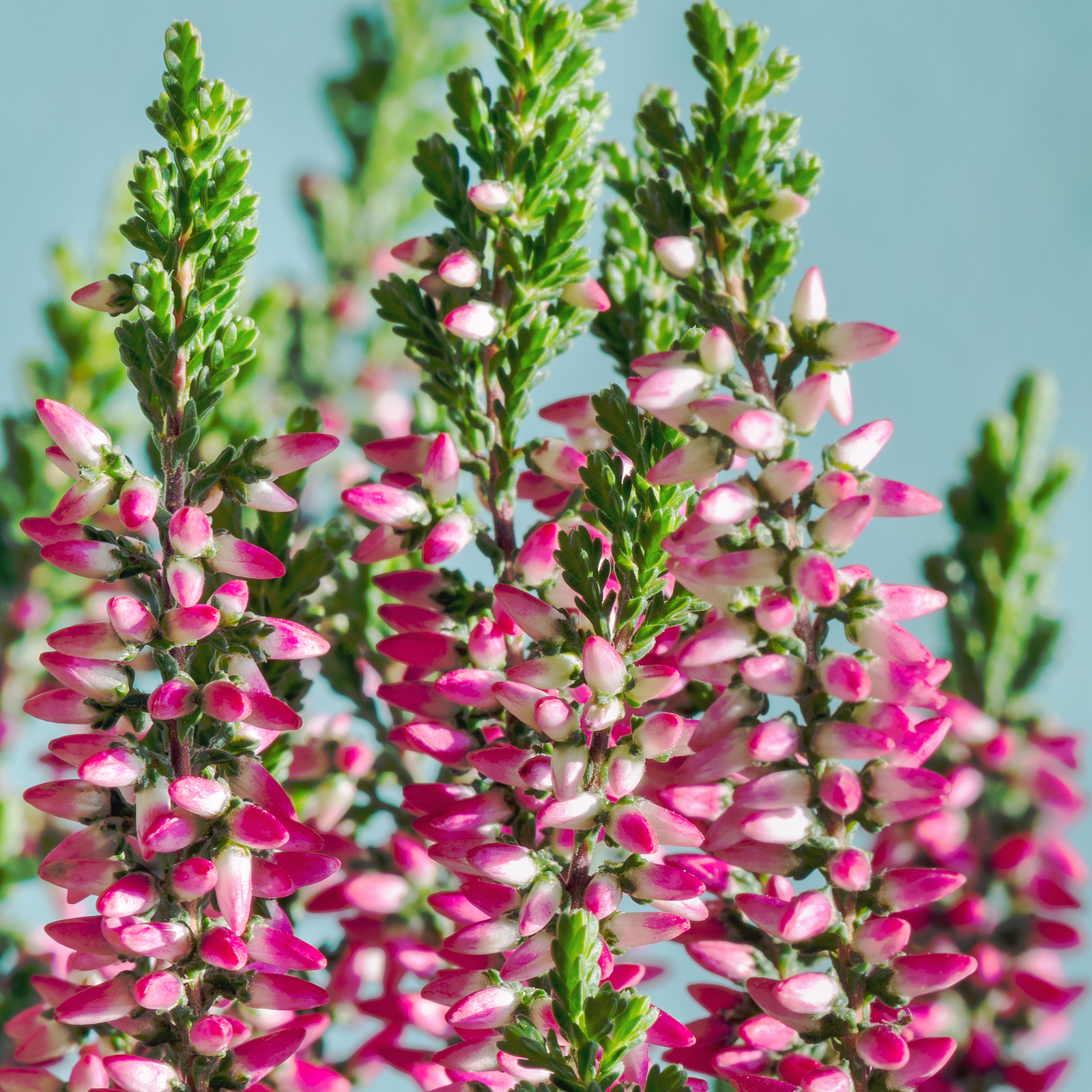
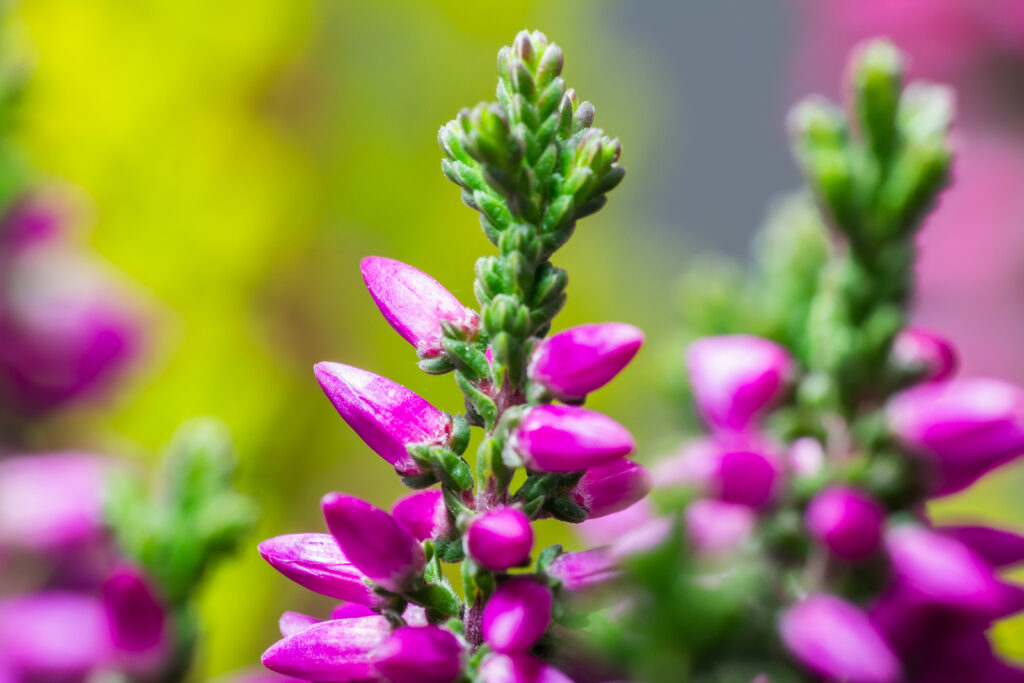
Calluna–commonly called Scotch heather– is a spreading evergreen shrub covered with pink, white, red flowers from midsummer to late fall. Calluna thrives in full sun and infertile soil making it an easy-to-grow, low-maintenance addition to the garden.
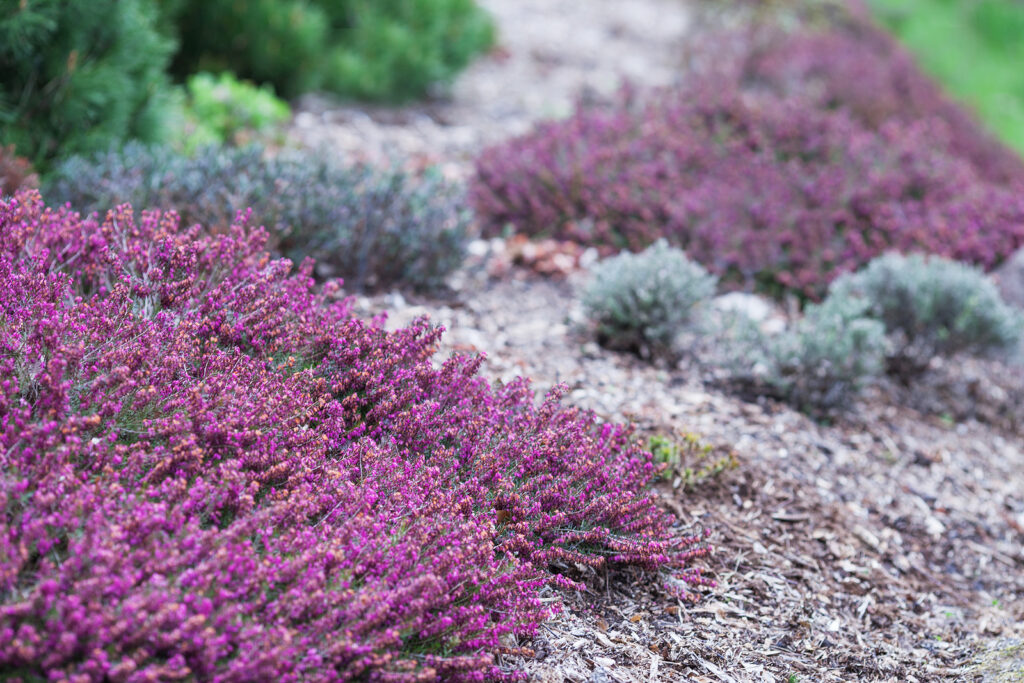
Garden varieties of Calluna are numerous, many more than species found in the wild. Varieties range from 3 inches (7.6cm) to 36 inches (91cm) tall. Short varieties work well in rock gardens and in crevices in stone walls; tall varieties can be used as a small hedge or as background in borders.
Most Callunas bloom in mid- to late summer; a few bloom in late fall. Foliage which can be deep green, chartreuse, and gray often changes color in winter.
Calluna is a genus of one species of evergreen shrub found on moorland and heaths from North and West Europe to Siberia, Turkey, Morocco, and the Azores.
Know What to Plant This Week
Every week I answer the gardener's most important question: what should I plant now? Get seasonal planting advice free — or go Pro for my full Soil Temperature Garden Report, with soil temperature, moisture, weather trends, and crop-by-crop recommendations.
Calluna is sometimes confused with Erica species; Erica species bear sepals that are short and the color of the corona is apparent
Get to know Calluna
- Plant type: Evergreen shrub
- Growing Zones and range: 3-8
- Height and width: 4 to 24 inches (10-61cm) tall, 24 to 30 inches (61-76cm) wide
- Form: Low spreading shrub with upright stems covered with tiny bright green leaves; some plants turn red in fall
- Flowers: Tiny, bell-shaped flowers bloom along with the shoot tips in shades of gold, white, rose, lilac, and crimson
- Bloom time: Midsummer to fall
- Uses: Mass planting, edging for walkways, groundcover; attracts bees
- Common name: Scotch heather
- Botanical name: Calluna vulgaris
- Family: Ericaceae
- Origin: North and West Europe to Siberia, Turkey, Morocco, and the Azores
Where to plant Calluna
- Plant Calluna in full sun.
- Plant Calluna in humus-rich and sandy well-drained soil.
- Plant in acidic soil; grows poorly in acidic soil.
When to plant Calluna
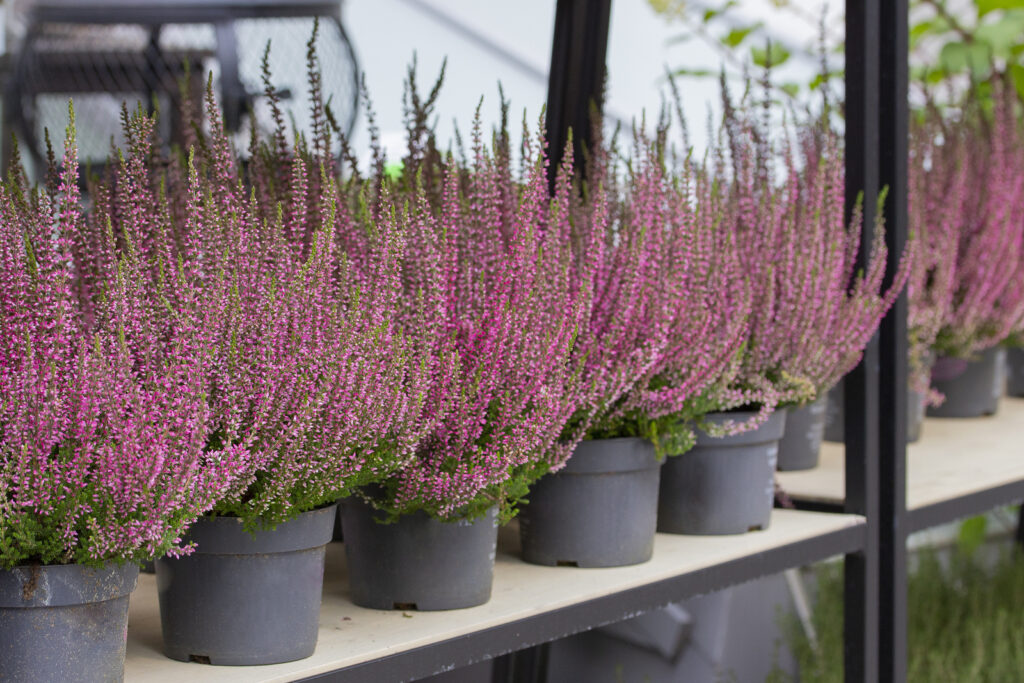
- Set established Calluna in the garden in spring or fall.
Planting and spacing Calluna
- Space Scotch heather 12 to 18 inches (30-45cm) apart.
How to water and feed Calluna
- Keep the soil evenly moist. Too much moisture will cause root rot.
- Give Calluna a light feeding with acid plant food—once in late winter or early spring, a second time in late spring or early summer—to encourage good growth and bloom.
Calluna care
- Mulch around plants in winter.
- Prune off shoots of the previous season in early spring to encourage compact growth.
Calluna pests and diseases
- Calluna are susceptible to attacks by spider mites during hot summers.
Calluna propagation
- Propagate by seed anytime; propagate by cuttings in early summer or by layering in spring (cover part of a low-growing stem with soil until new roots form; then separate it from the parent plant).
Calluna varieties to grow
- Calluna vulgaris, Ling, Scotch heather, variable, prostrate to erect shrub with green to gray, hairless or hairy leaves, .06-.12 inch (2-3mm) long. Bell-shaped or tubular flowers, to .12 inch (3mm) long, are borne in short to long racemes from midsummer to late autumn. To 4-24 inches (10-60cm) tall and 30 inches (75cm) wide. North and West Europe to Russia (Siberia), Turkey, Morocco, the Azores. There are dozens of Calluna cultivars to choose from; here are a few:
- ‘Allegro’ has dark red flowers.
- ‘Beoley Gold’ has yellow foliage.
- ‘County Wicklow’ has pink flowers.
- ‘Gold Haze’ has gold foliage and white flowers.
- ‘Kinlochruel’ has double shite flowers.
- ‘Robert Chapman’ foliage is golden in spring, orange in summer, and reddish in winter.