How to Grow False Petunia — Ruellia

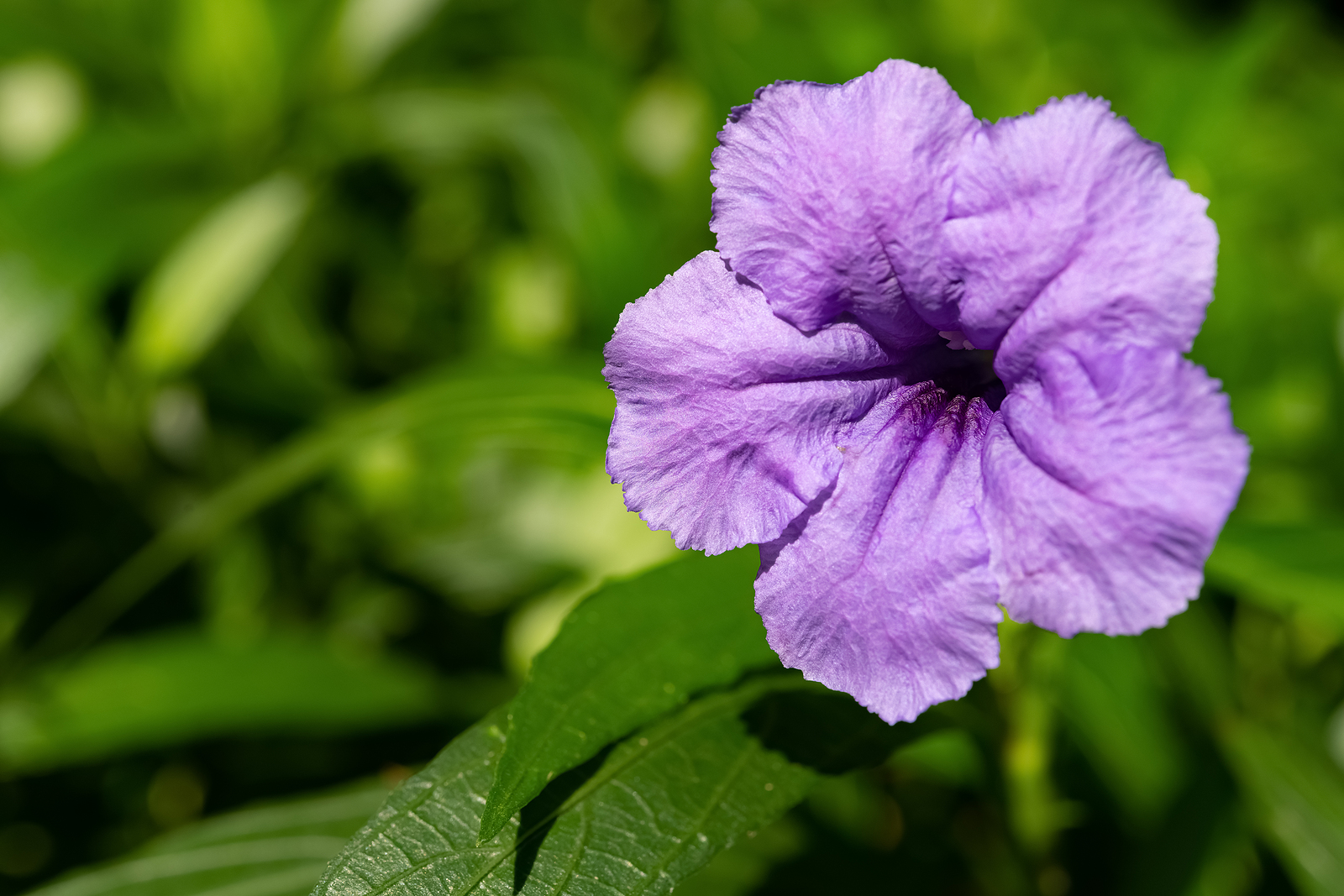
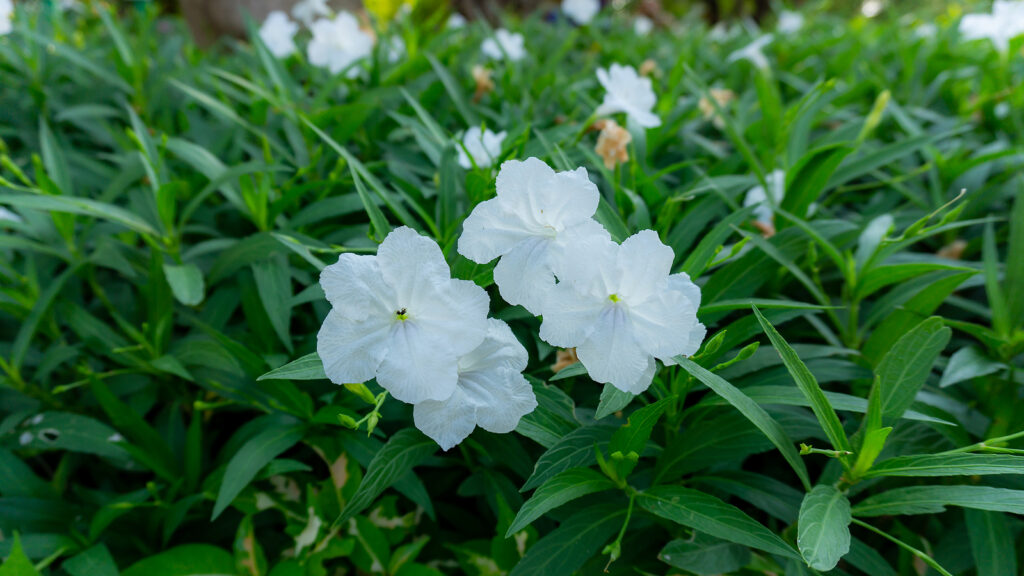
Ruellia – commonly called False Petunia or Mexican Petunia–is a tropical perennial that bears colorful flaring, bell-shaped flowers with five shallow lobes. Ruellia is grown outdoors in tropical and subtropical regions or cultivated in a warm greenhouse or indoors in cool temperate and cold-winter regions.
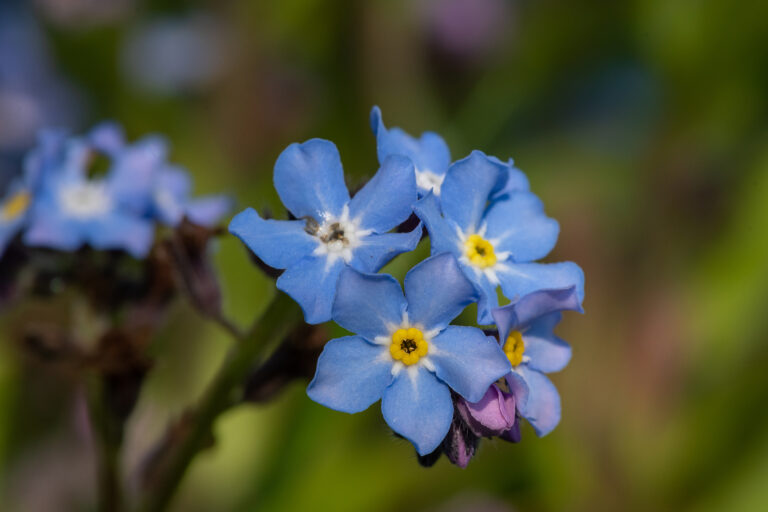
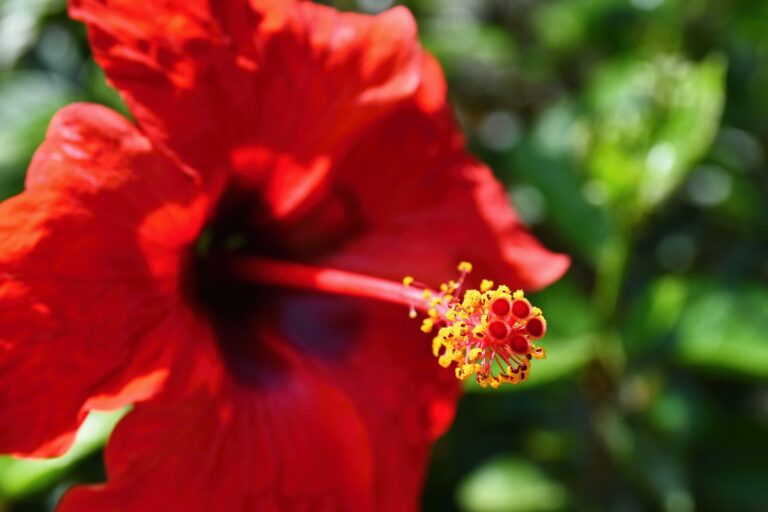
Ruellia is grown for its attractive foliage–the leaves are bright green, opposite, and entire–and flowers. Flowers range in color from lavender-blue to carmine-pink to scarlet.
Outdoors Ruellia is suited to informal borders of plantings. Pinching out young shoots will encourage branching and Ruellia will grow shrubby.
Ruellia is a diverse genus of 150 species of evergreen perennials and soft-stemmed or woody shrubs and subshrubs. Ruellia is found widely in tropical America, warm parts of North America and Africa, and Asia. Ruellia is native to meadows and woodland margins. One species, R, makoyana is hardy to Zones 4 and 5.
Know What to Plant This Week
Every week I answer the gardener's most important question: what should I plant now? Get seasonal planting advice free — or go Pro for my full Soil Temperature Garden Report, with soil temperature, moisture, weather trends, and crop-by-crop recommendations.
Get to know Ruellia
- Plant type: Evergreen perennials
- Growing zones and range: Zones 7 to 10
- Hardiness: Mostly a tropical plant; one species is hardy to Zone 4
- Height and width: Varies by species from 8 inches (20cm) to 7 feet (2.1m) tall and 12 to 18 inches (30-45cm) wide
- Growth rate: Moderate
- Form and habit: Shrubby
- Foliage: Leaves are opposite and entire, and may be stalked or stalkless
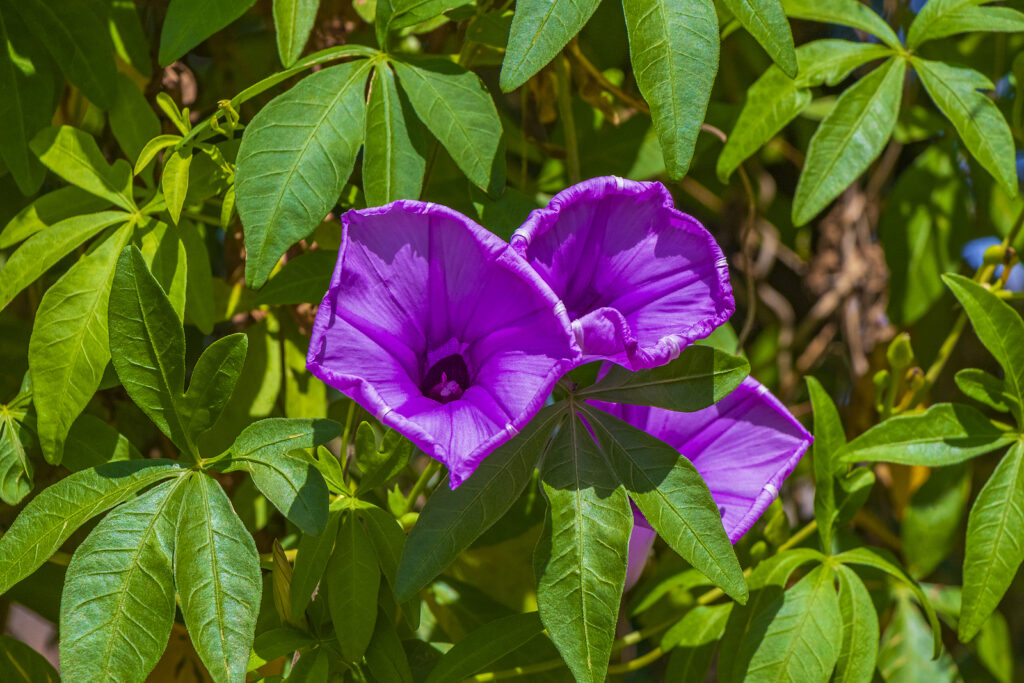
- Flowers: Funnel-shaped flowers are produced singly, in clusters from the leaf axils, or in terminal panicles; flower colors include lavender-blue, scarlet, purplish pink, and carmine pink
- Bloom time: Spring to fall
- Uses: Informal borders, plantings, wildflower gardens, around water gardens
- Garden companions:
- Common name: False petunia, Mexican petunia
- Botanical name: Ruellia
- Family name: Acanthaceae
- Origin: Tropical America, warm parts of North America, and Africa and Asia
Where to plant Ruellia
- Plant Ruellia in full sun or partial shade.
- Plant Ruellia in fertile, humus-rich, moist soil.
When to plant Ruellia
- Sow Ruellia seed at 66-75°F (19-24°C) in spring.
- Set container-grown Ruellia in the garden in spring or autumn.
Planting and spacing Ruellia
- Plant Ruellia 18 inches (45cm) apart.
How to water and feed Ruellia
- Give Ruellia regular water.
- Feed Ruellia with an all-purpose organic fertilizer in spring.
How to care for Ruellia
- Reullia wants filtered light and high humidity; grow in tropical regions outdoors or in a warm greenhouse or indoors using a humidity tray.
Ruellia pests and diseases
- Ruellia can develop bacterial and fungal leaf spots, rust, and root spot.
- Ruellia are basically pest free.
Ruellia propagation
- Root softwood cuttings in spring or early summer.
- Sow Ruellia seed at 66-75°F (19-24°C) in spring.
Ruellia varieties to grow
- Ruellia brittoniana, shrubby perennial. Mexican native naturalized in parts of the US to 3 feet (1m) high, with narrow leaves and 2 inch (5cm) blue flowers. Should be contained (by an edging, for example), since it can be invasive.
- R. devosiana, hairy shrub with soft, purple-flushed stems and broadly lance-shaped, pale-veined, dark green leaves, to 3 inches (8cm) long, purple beneath. Bears funnel-shaped, lavender-blue-flushed white flowers, 1.5-2 inches (4-5cm) long, with slender tubes and notched, spreading, purple-veined lobes, singly from the leaf axils from spring to summer. To 18 inches (45cm) tall and 12 inches (30cm) wide. Brazil.
- R. graecizans, bushy shrub with soft, spreading stems and ovate to oblong, hairless, mid-green leaves, to 7 inches (18cm) long. Funnel-shaped scarlet flowers, 1 inch (2.5cm) long, each with one enlarged sepal, are borne in axillary clusters on long stalks from spring to summer. To 24 inches (60cm) tall and 18 inches (45cm) wide. South America.
- R. humilis, erect, slightly bush shrub with mid-green stems and sessile, lance-shaped bright green leaves, to 3-4 inches (8-10cm) long. Bear single, terminal, pink to lavender, petunia-like flowers 2 inches (5cm). Grow in borders or rock garden. To 7-12 inches (28-30cm) tall and 12 inches (30cm) wide.
- R. macrantha, Christmas pride, erect, soft-stemmed subshrub with lance-shaped, hairy, dull, dark green leaves, to 6 inches (15cm) long. From autumn to winter, funnel-shaped but slightly curved, rich purplish pink flowers, to 3 inches (8cm) long, with darker veins, are produced singly from the leaf axils. To 6 feet (2m) tall and 18 inches (45cm) wide. Brazil.
- R. makoyana, Monkey plant, Trailing velvet plant, slender- and soft-stemmed, spreading, hairy perennial with ovate, silver-veined purple leaves, to 3 inches (8cm) long, dark purple beneath. In summer, produces funnel-shaped, carmine-pink flowers, 2 inches (5cm) long, singly from the leaf axils. To 24 inches (60cm) tall and 18 inches (45cm) wide. Brazil.