How to Grow Screw Pine — Pandanus

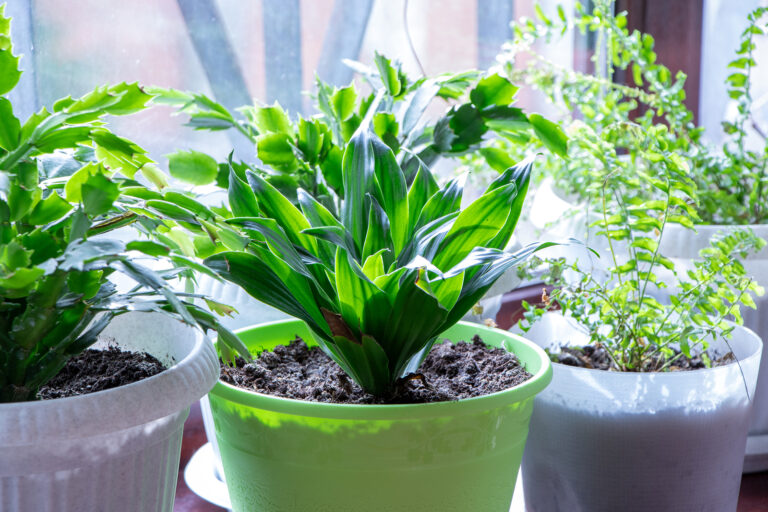
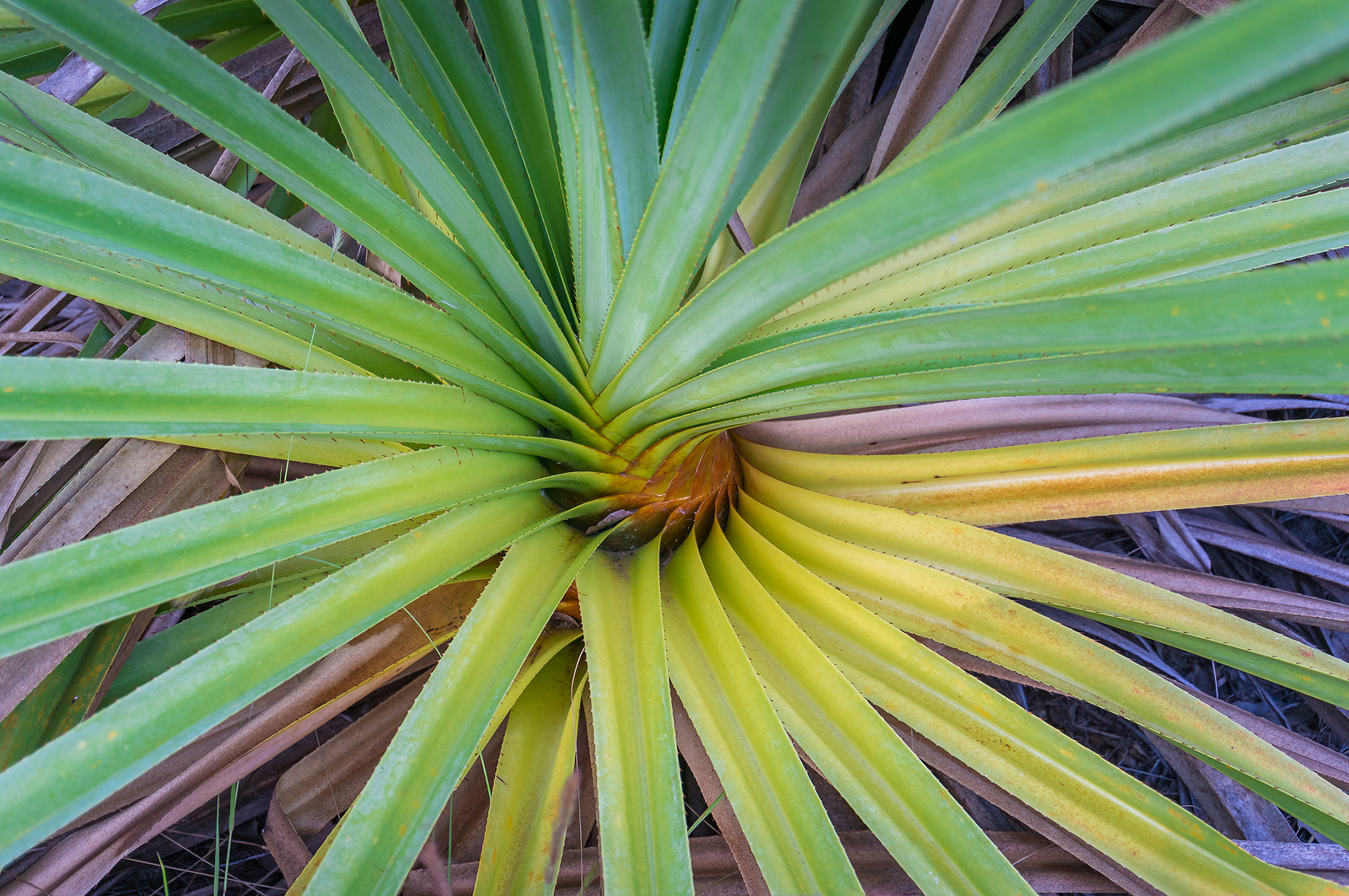
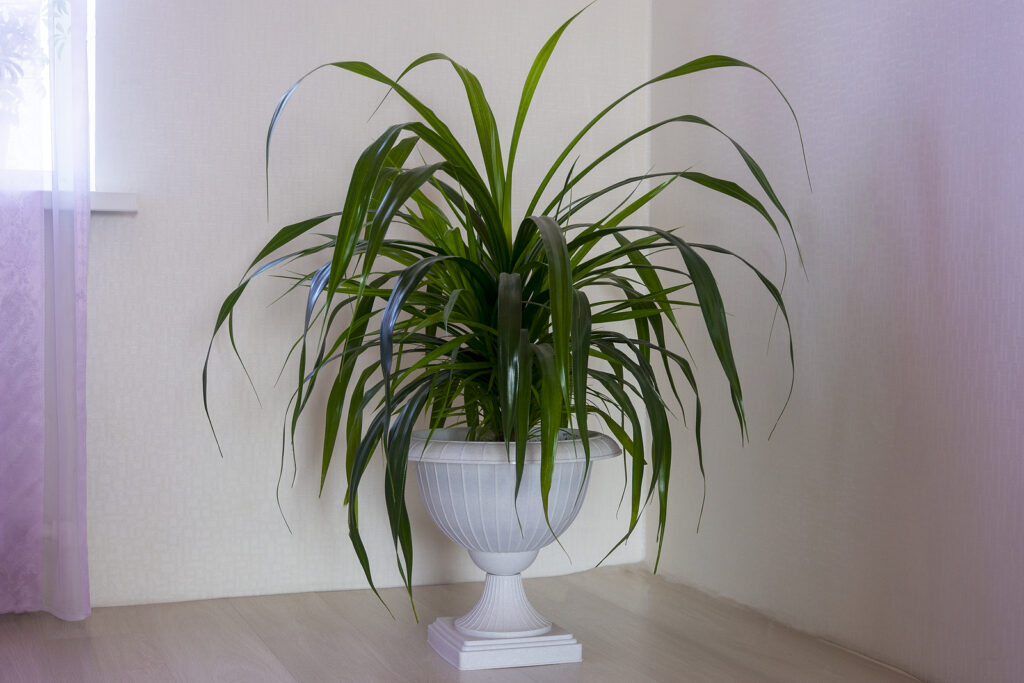
Pandanus is an easy-to-grow tropical foliage plant with sharp, spear-like leaves. It typically grows indoors to about 3 feet (1m) tall. Pandanus’ spiral leaves give it the common name screw plant.
As Pandanus matures, it develops a wood trunk with a thatch prickly-edged, dark green leaves. The edges of the leaves are so sharp they can cut human hands. In tropical regions some Pandanus species can grow to 60 feet (18m) tall.
With age, Pandanus’ trunk sprouts thick, stiltlike aerial roots that apparently help to prop it up. They extend outward and downward to the soil.
Pandanus is a genus of about 250 species of evergreen shrubs and trees. Pandanus are native to tropical regions of Africa, India, Asia, Australasia, and the Pacific Islands.
Know What to Plant This Week
Every week I answer the gardener's most important question: what should I plant now? Get seasonal planting advice free — or go Pro for my full Soil Temperature Garden Report, with soil temperature, moisture, weather trends, and crop-by-crop recommendations.
Get to know Pandanus
- Plant type: Tropical perennial or shrub
- Growing Zones and range: 10-12
- Hardiness: Tender grows best between 60° to 75°F (16° to 24°C)
- Optimal growing temperature: day, 70° to 75°F (21° to 24°C); night, 62° to 68°F (17° to 20°C). They need average room temperature and medium to high humidity.
- Height and width: commonly grow to 3 feet(91cm) tall; can grow 5 to 8 feet (1.5-2.4m) tall; in tropical habitats, Pandanus can grow to 60 feet (18m) tall.
- Foliage: Spearlike leaves 3 inches (10cm) wide and 3 feet (.9m) long have sharp, prickly edges.
- Flowers: No significant flowers
- Uses: Tropical shrub, houseplant
- Common name: Screw pine
- Botanical name: Pandanus veitchii
- Family: Pandanaceae
- Origin: South Pacific
Where to plant Pandanus
- Light outdoors: Grow Pandanus outdoors in full sun.
- Light indoors: Grow Pandanus in bright light, with 3 hours of direct sun daily form an eastern or western exposure.
- Soil outdoors: Grow Pandanus outdoors in fertile, humus-rich, moist but well-drained soil.
- Soil indoors: Grow Pandanus in standard indoor potting soil.
How to water and feed Pandanus
- Keep the soil evenly moist. Mist indoor plant twice daily. Pandanus prefers humidity at 45 to 55 percent.
- Fertilize Pandanus every 2 weeks during the growing season with a mild liquid fertilizer.
Pandanus care
- Be careful handling the leaves; they have sharp edges and can cut.
- Pandanus prefers to be potbound. Repot when roots occupy ¾ of the pot space.
- Trim growing ends of tall plants.
- Clean the foliage monthly and remove dried leaves.
- The plant will rest during winter; keep the temperature at about 65°F (18°C). Reduce water giving the plant just enough to keep the soil from drying out; withhold fertilizer.
Growing Pandanus as a houseplant
- Pandanus requires bright light in summer and direct light in winter.
- Pandanus can be grown under fluorescent light.
- Pandanus needs average room temperature, and medium to high humidity.
- The soil can be allowed to dry moderately between thorough waterings.
- Fertilizer should be applied just once a year in spring.
Pandanus pests and diseases
- Pandanus is susceptible to attack by aphids, mealybugs, spider mites, and scale insects.
Pandanus propagation
- Propagate Pandanus by division or offsets. Offsets grow from the base of the stem.
Pandanus varieties to grow
- Pandanus baptistii, blue screw pine. Features 1 inch (2.5 cm) wide, blue-green leaves with white stripes.
- P. ultilis, common screw pine. Leaves to 6 feet long and 4 inches wide with prominent red spines along the margins.
- P. veitchii, Veitch screw pine: grows upright to 3 feet tall on a woody stem that bears a rosette of leaves; leaves ; finely toothed leaves grow to 3 feet long and 3 inches wide, leaf edges have narrow yellow or white vertical stripes. ‘Compacta has rigid leaves, grows to 18 inches in height.