How to Grow Myoporum

Myoporum is a genus of more than 30 species of evergreen shrubs or small trees native to tropical East Asia. Myoporums are tough and fast-growing.
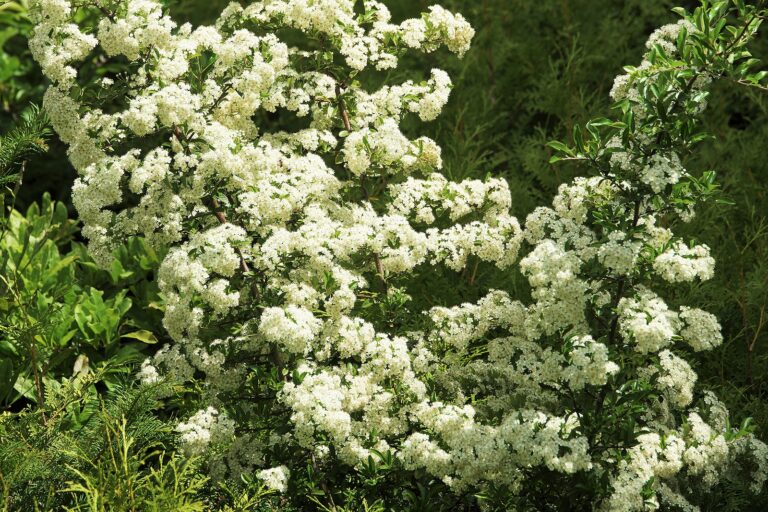
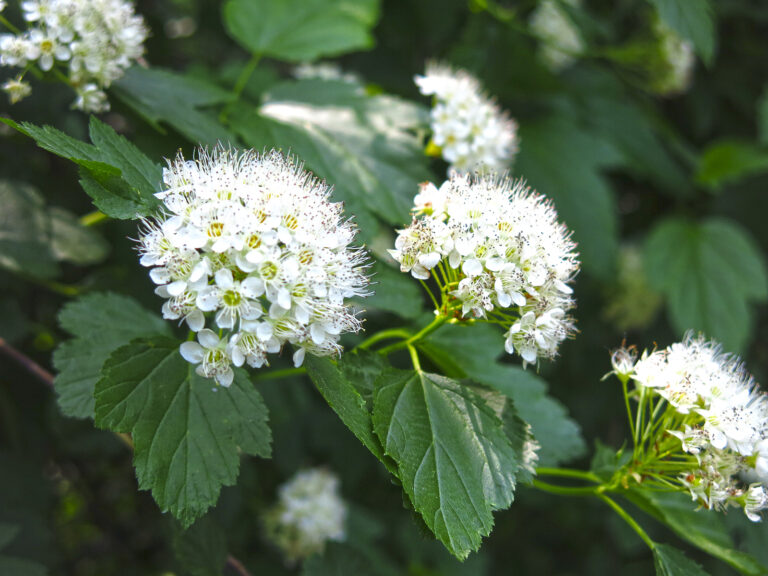
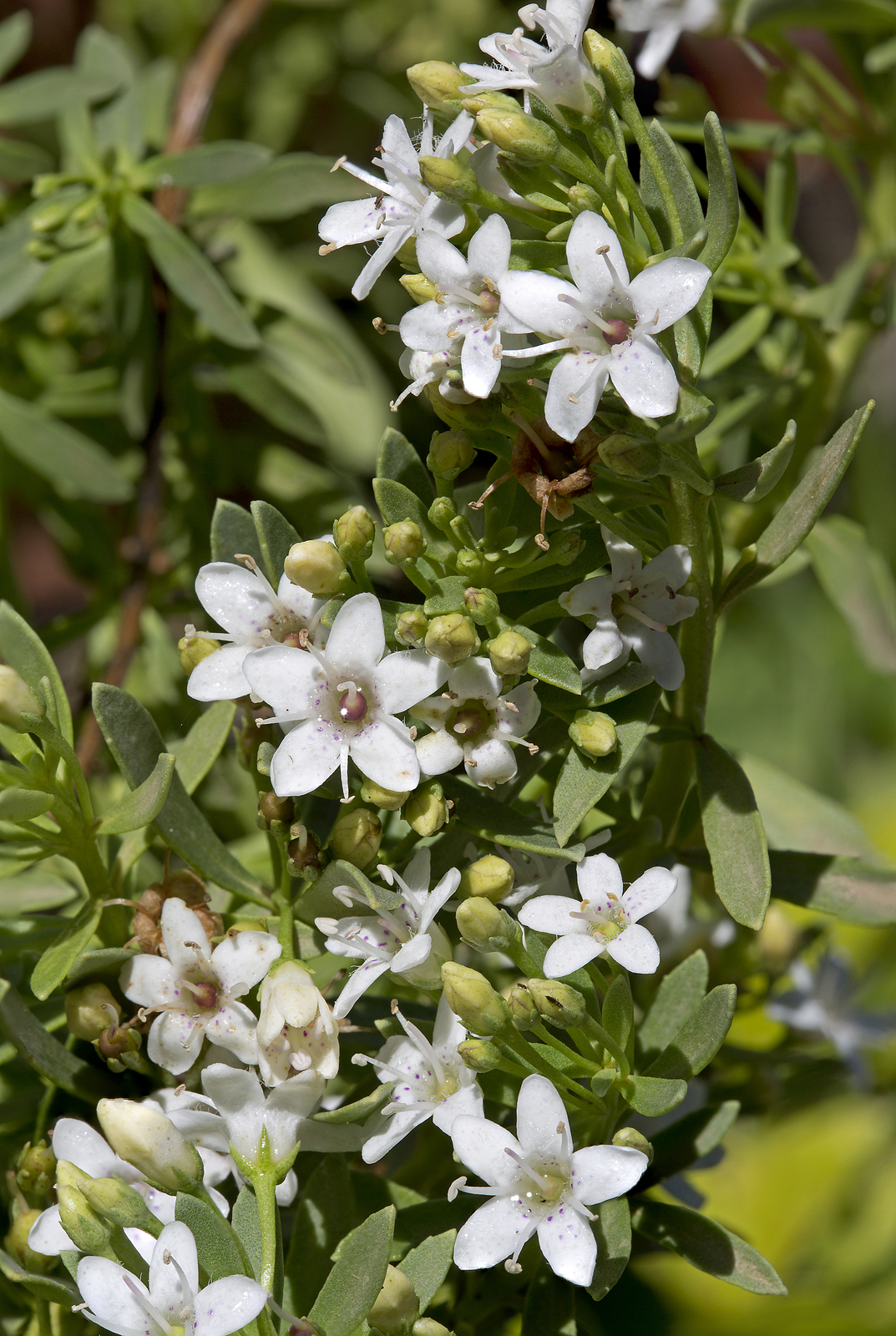
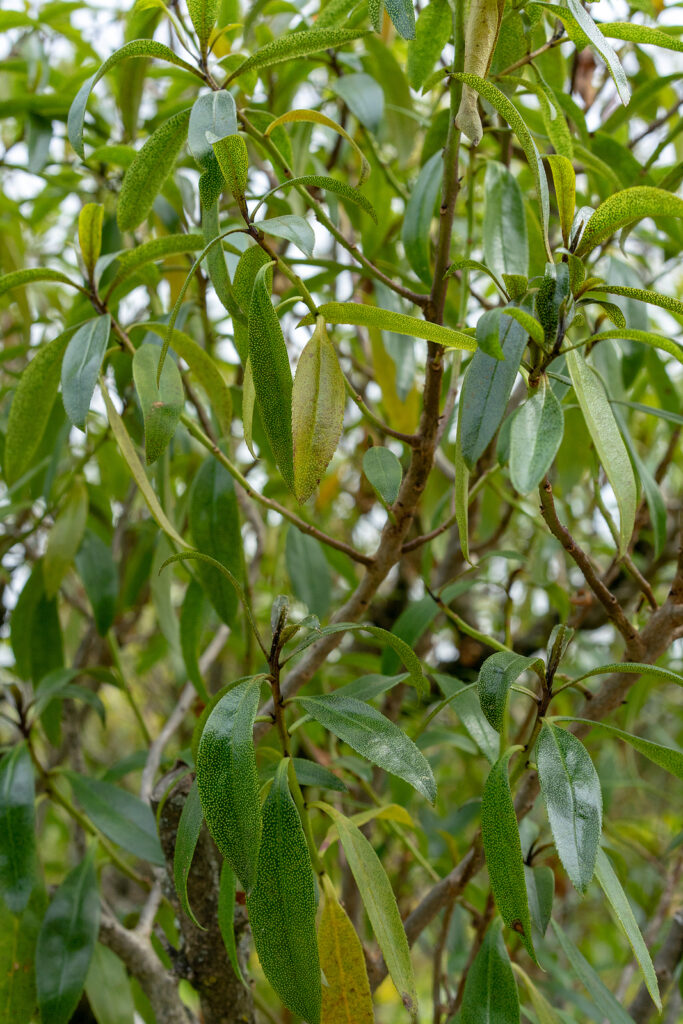
Myoporum bear small five-petaled white flower. The leaves are notable for their near transparency; held to the light they display small glandular dots.
Myopprum are ideal for shrub borders, informal hedges or windbreaks. Prostrate Myoporum species can be trained as groundcovers.
Myoporum grows best in full sun, but where summers are hot mid-day filtered sun is best. Prostrate forms are heat tolerant, but do not tolerate foot traffic. Myoporum should be give supplemental water during dry periods.
Know What to Plant This Week
Every week I answer the gardener's most important question: what should I plant now? Get seasonal planting advice free — or go Pro for my full Soil Temperature Garden Report, with soil temperature, moisture, weather trends, and crop-by-crop recommendations.
Get to know Myoporum
- Plant type: Evergreen ground covers, shrubs, small trees
- Growing zones and range: Zones 9 to 11
- Hardiness: Hardy to Zone 9; temperatures below 24°F (-4°C) can inflict severe damage.
- Height and width: Size varies with variety, from 24 inches (60cm) tall to 15 feet (5m) tall or traller
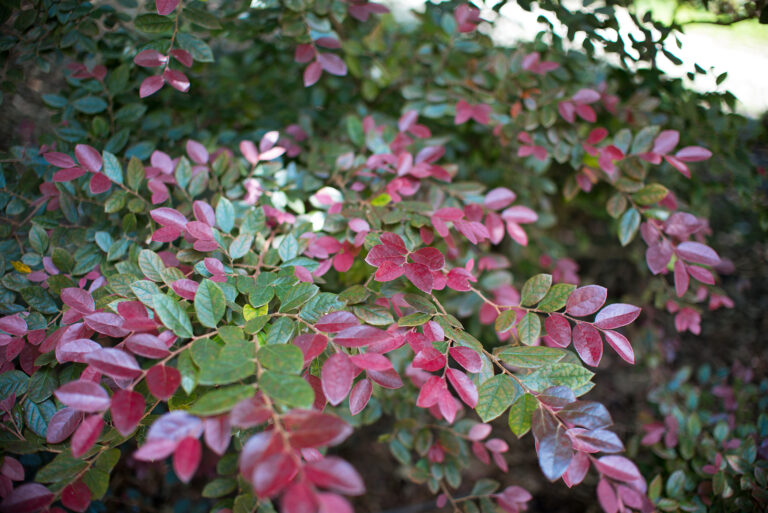
- Foliage: Shiny dark green leaves with translucent dots; leaves are alternate, range from less than ½ inch to more than 3 inches long.
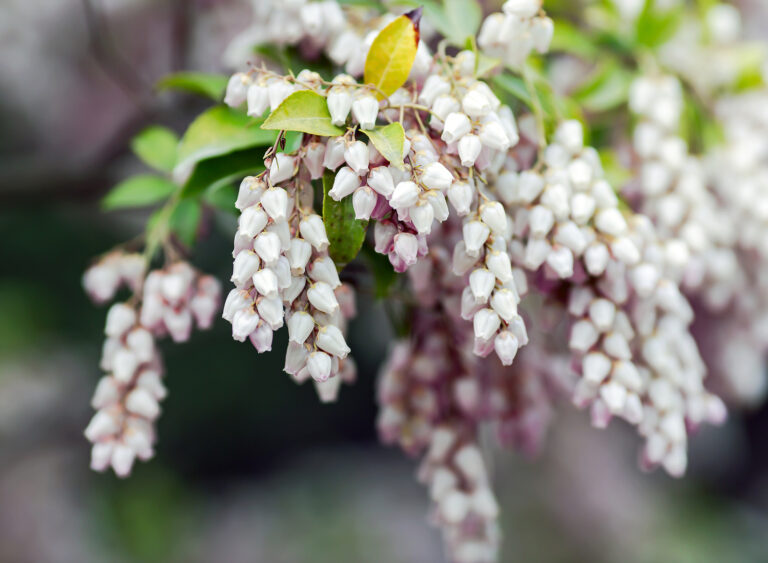
- Flowers: Small bell-shaped flowers are usually white and have five petal lobes.
- Fruit: Small but colorful ferries follow flowers. Fruit and leaves can be toxic
- Bloom time: Summer
- Uses: Shrub border, informal hedges, windbreaks
- Common name: Myoporum
- Botanical name: Myoprum
- Family name: Myoporaceae
- Origin: Tropical East Asia, across the tropical islands of the Pacific, to Australia and New Zealand
Where to plant Myoporum
- Plant Myoporum in full sun; in hot summer regions set plants in partial shade.
- Plant Myoprum in humus-rich, moist but well-drained soil.
When to plant Myoporum
- Set container-grown Myoporum in the garden in spring or autumn.
Planting and spacing Myoporum
- Space Myoprum 6 to 15 feet (2-5m) apart.
How to water and feed Myoporum
- Give Myoporum moderate water; keep the soil evenly moist for best growth.
- Fertilize Myoprum monthyly wiht a balanced liquid fertilizer.
Myoproum care
- Mulch around Myoporum to conserve soil moisture.
- If allowed to grow naturally, Myoporum will take the form of a billowing mass; if staked and pruned, makes attractive multitrunked tree.
- Myoporum can be trained as a ground cover if branches are pegged down so they’ll root and spread.
Myoporum pests and diseases
- Scale insects may attack Myoproum.
Myoporum propagation
- Sow seeds as soon as ripe.
- Root semi-ripe cuttings with bottom heat in summer.
- Layer Myoprum in summer.
Myoporum varieties to grow
- Myoporum laetum. Shrub or small tree can grow to 30 feet tall and 20 feet wide; leaves to 4 inches long; clusters of small white summer flowers with purple markings are followed by small reddish-purple fruit. Cultivar ‘Carsonii’ is faster growing than the species, with branches that are leafy to base.
- M. parvifolium (M. p. ‘Prostratum’). Ground cover species grows to 3 inches tall and 9 feet wide, with a dense covering of small leaves; tiny white summer flowers are followed by purple berries. Spaced 6 to 8 feet apart; plants will fill in within 6 months, rooting where the stems touch moist soil. Cultivars include ‘Burgundy Carpet’ has red stems and purple new growth; ‘Pink’ is pink flowered; ‘Putah Creek’ grows 1 foot tall.