How to Grow Tree Gloxinia — Kohleria

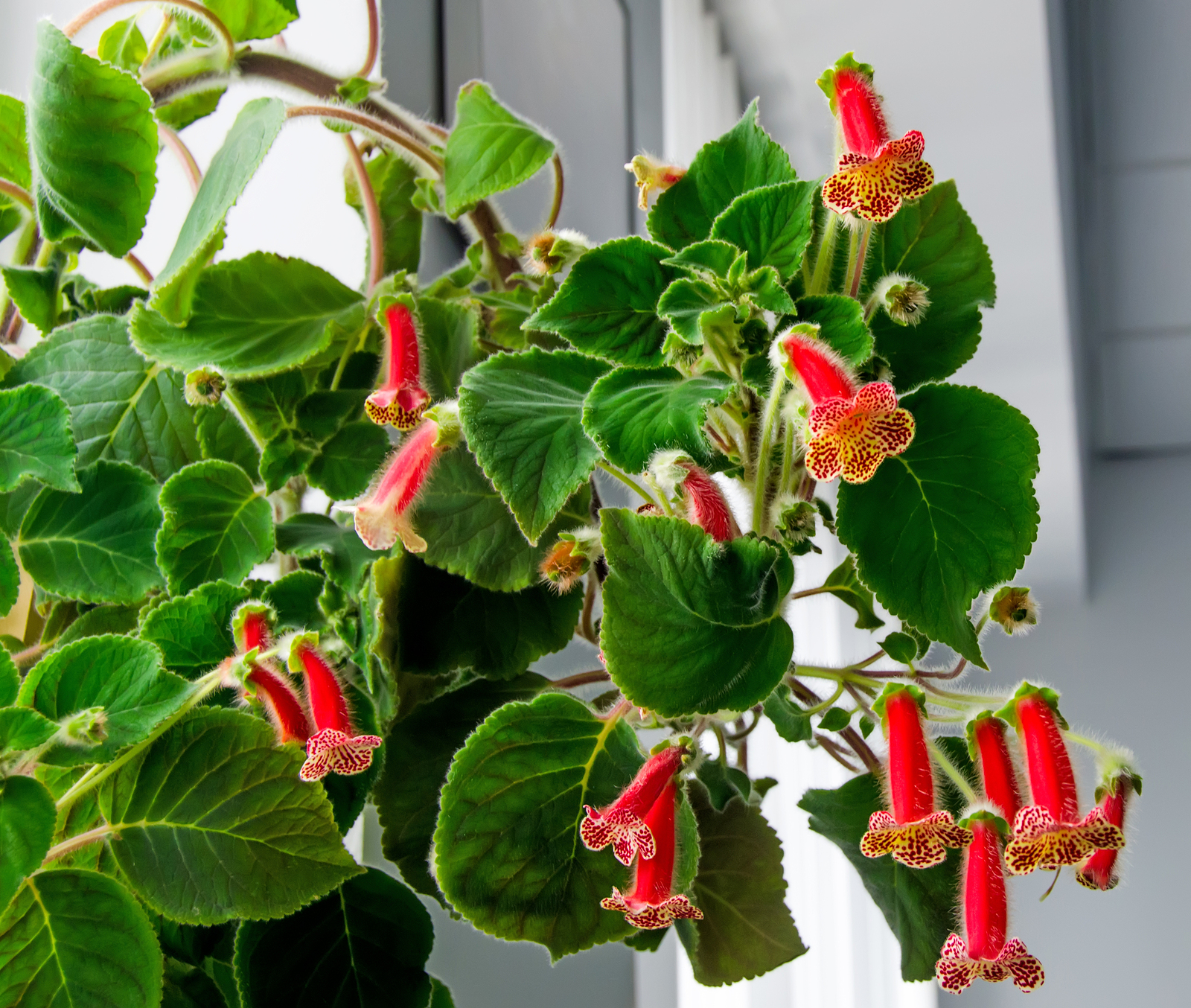
Kohleria, also called tree gloxinia, is a topical flowering plant with attractive velvety foliage. Tubular or bell-shaped red flowers appear mostly from summer through fall. With the proper conditions, Kohleria can bloom year-round.
Kohleria can be trained upright or grown as a trailing plant in a hanging basket.
Get to know Kohleria
- Plant type: Tropical perennial
- Growing Zones and range: 11-12
- Hardiness: Tender; average household temperatures
- Height and width: 1 to 4 feet (.3-1.2m) tall; can trail
- Foliage: Velvety dark green foliage is fuzzy with a purplish pattern
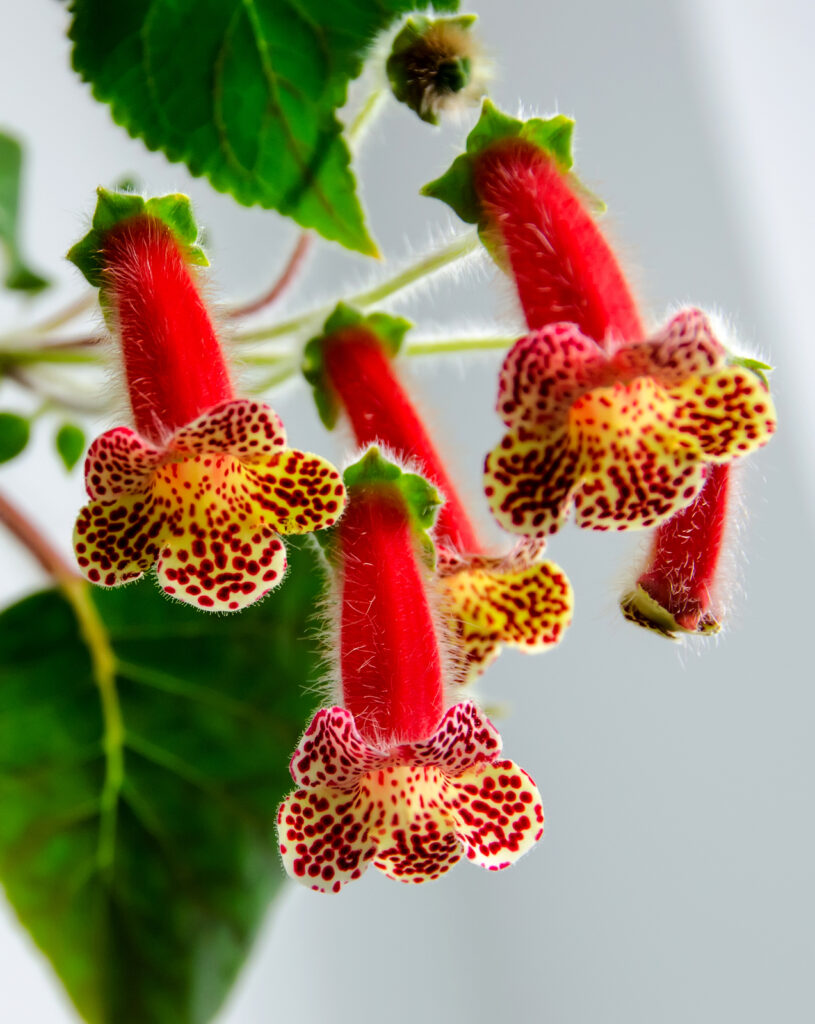
- Flowers: Tubular or bell-shaped flowers in shades of pink, red, orange, or white; flat lobed flowers with dot-like markings
- Bloom time: Summer through fall
- Uses: Houseplant
- Botanical name: Kohleria
- Common name: Tree gloxinia
Where to plant Kohleria
- Grow Kohleria in bright light with direct, early morning sun from eastern exposure; grows well under artificial light needing 14 to 16 hours daily.
- Plant in average potting soil.
How to water and feed Kohleria
- Keep the soil evenly moist; mist twice daily; best at 50 percent humidity.
- Fertilize every 3 weeks with mild, all-purpose fertilizer during the active growing period. Do not fertilize during the dormant period.
Kohleria care
- Each spring, separate rhizome clusters and repot.
- Prune in spring if needed.
- Kohleria is susceptible to aphids, mealybugs, scale, powdery mildew, and root or crown rot.
- Plants grown under artificial light will not go dormant; dormant plants should be kept at 50° to 60° F (10° -16° C)
Kohleria propagation
- Propagate by rhizome division, tip cuttings taken in spring, or seeds.
Kohleria varieties to grow
- Kohleria amabilis has dark green leaves and silver markings with rosy flowers.
- K. bogotensis grow 24 inches tall with dark green leaves and white markings; flowers are yellow with red spots.
- K. digitaliflora bears white flowers flushed with rose.
- K. eriantha has leaves edged with red and white hairs and orange-red flowers.
- K. hirsuta has soft-haired leaves and orange-red flowers.
- K. lindeniana has white flowers with purple markings.