How to Grow Indigofera – Indigo Bush

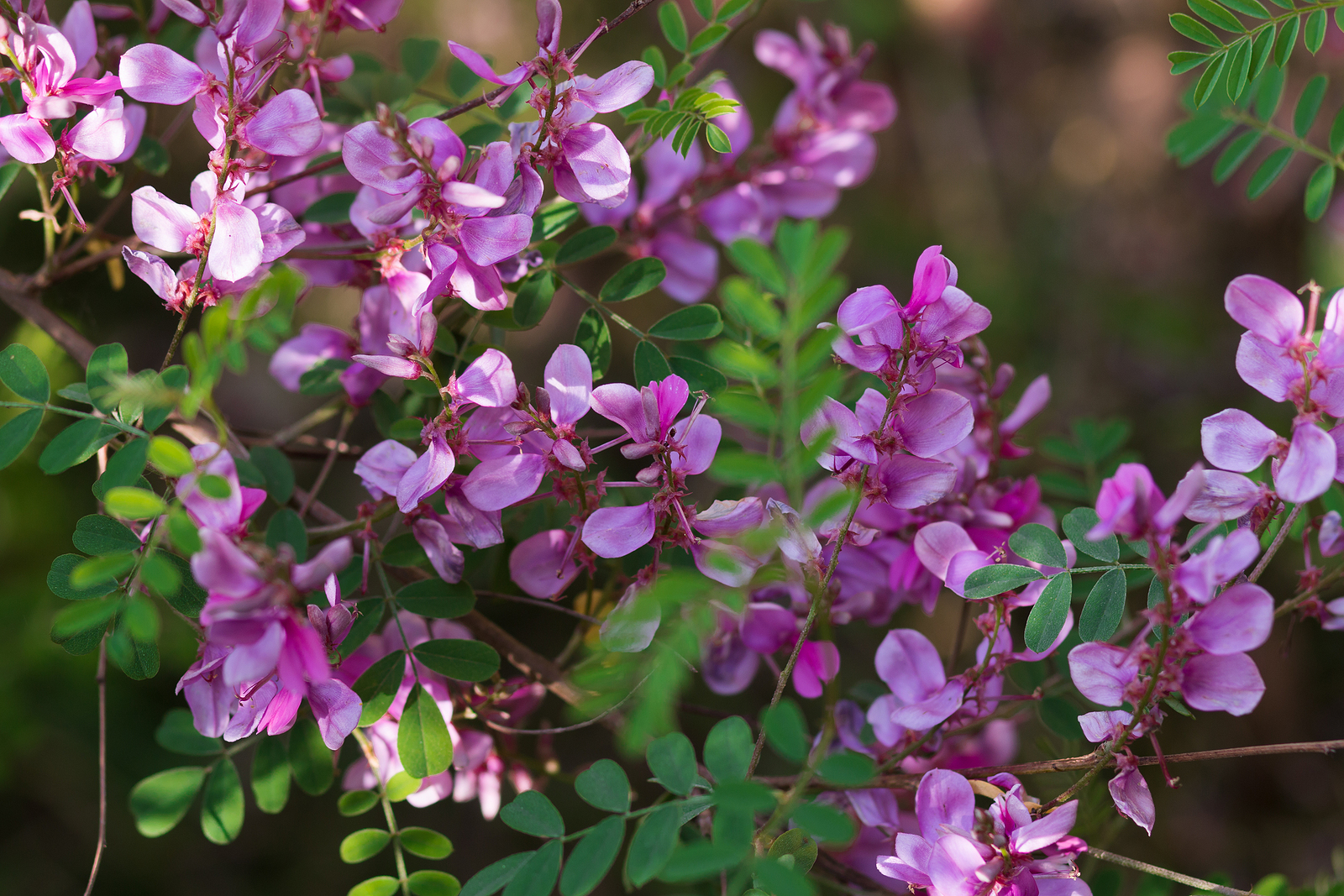
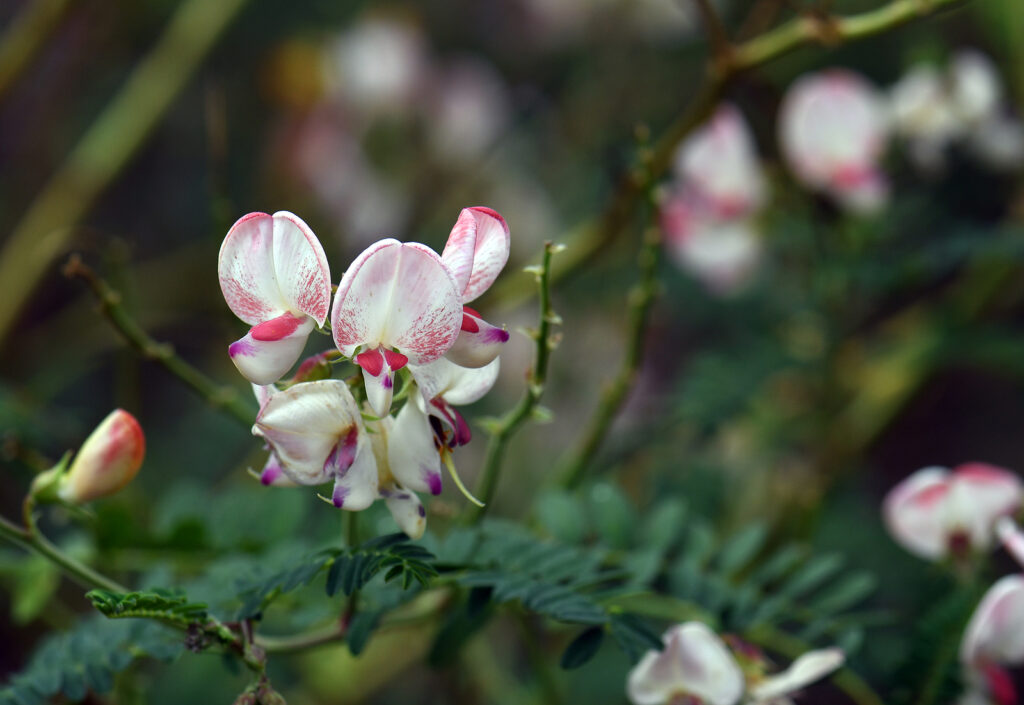
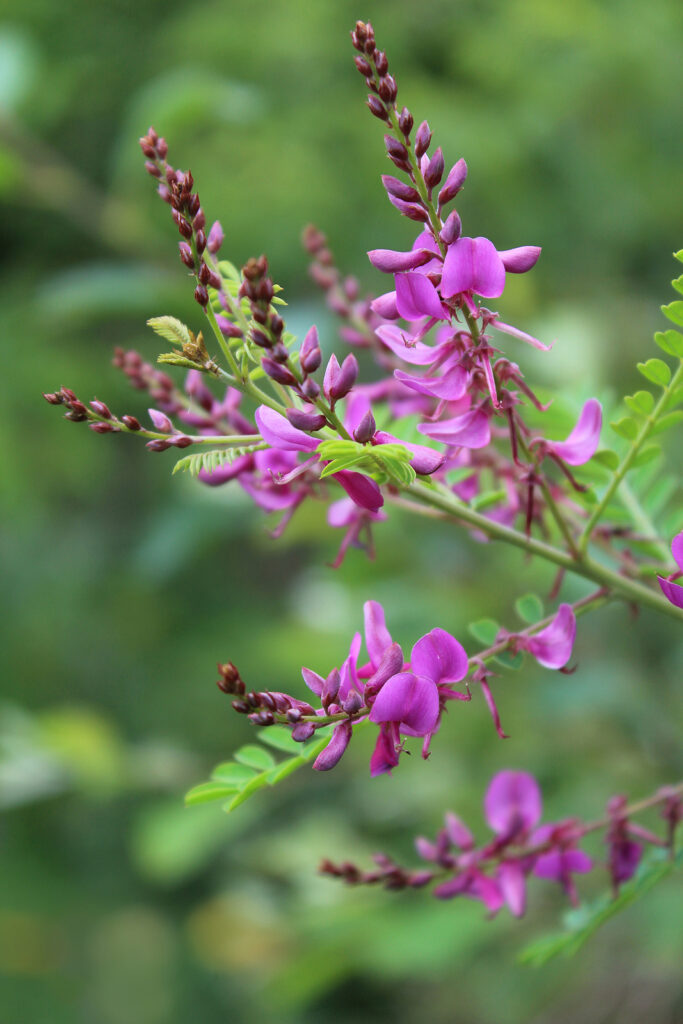
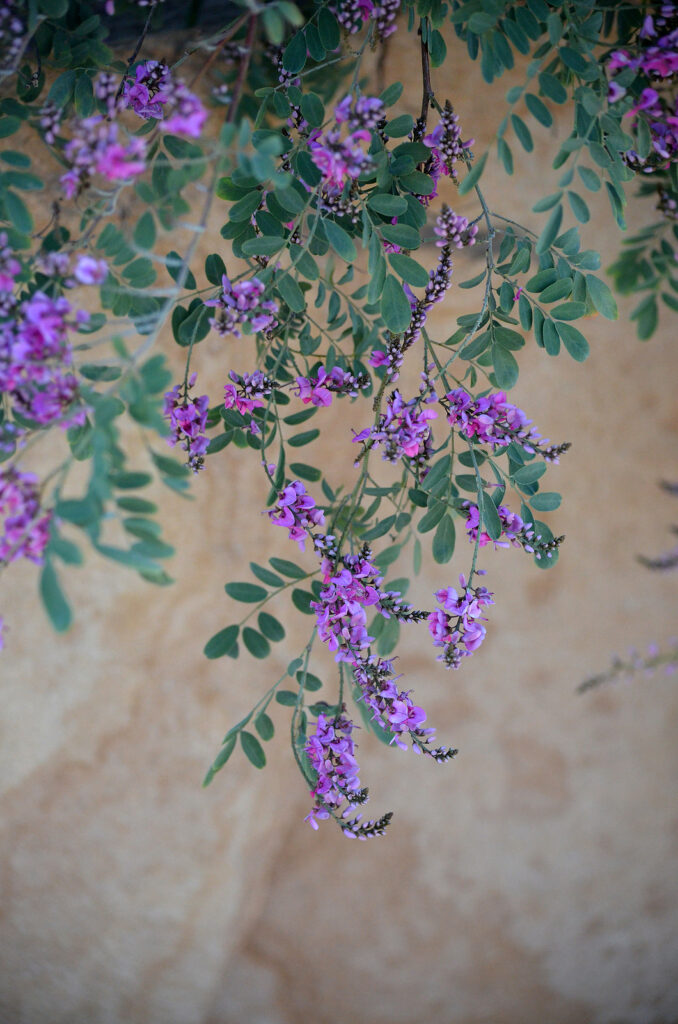
Indigofera — commonly called Indigo bush–bears small sweet pea-shaped rosy pink flowers on spikes. Indigofera has somewhat fernlike, bright green leaves.
Indigofera kirilowii is often grown in gardens. It blooms over a long period in summer and is not fussy about soil or water. Where winters are cold it is killed back to the ground but emerges in spring to bloom again in summer.
Grow Indigoferain a shrub border or train it against a warm, sunny wall.
Indigofera is a genus of more than 700 species of evergreen or deciduous shrubs, perennials, and annuals. Indigofera is found in mostly tropical and subtropical regions around the world.
Know What to Plant This Week
Every week I answer the gardener's most important question: what should I plant now? Get seasonal planting advice free — or go Pro for my full Soil Temperature Garden Report, with soil temperature, moisture, weather trends, and crop-by-crop recommendations.
Get to know Indigofera
- Plant type: Shrubby perennial
- Growing zones and range: Zones 4 to 8
- Hardiness: Hardy to Zone 4; dies back to the ground in cold winter regions; reemerges in spring
- Height and width: 4 feet (1.2m) tall
- Form and habit: Spreading shrub or subshrub
- Foliage: Fine 5 inch (12.7cm) long fernlike leaves; leaves are compound and have numerous leaflets, including one at the tip
- Flowers: Sweet pea-shaped rosy pink flowers carried in erect 4-5 inch (10.2-12.7cm) spikes
- Fruits:
- Bloom time: Early summer
- Uses: Ground cover, the front of a shrub border, and excellent bank stabilizers
- Garden companions:
- Common name: Indigo Bush
- Botanical name: Indigofera
- Family name: Fabaceae
- Origin: Northern China, Korea, Japan
Where to plant Indigofera
- Plant Indigofera in full sun.
- Plant Indigofera in well-drained soil; they are very deep rooted and demand a well-drained but fertile loam that is neutral to slightly alkaline.
When to plant Indigofera
- Plant container-grown Indigofera in spring or autumn.
Planting and spacing Indigofera
- Sow seeds in containers in spring or autumn.
- Sow seed 1/8 inch deep.
- Space Indigofera 36 inches (91cm) or more apart.
- Indigofera plants may sulk if moved after becoming established.
How to water and feed Indigofera
- Give Indigofera regular to moderate water.
- Feed Indigofera with an all-purpose organic fertilizer in spring.
How to care for Indigofera
- Pruning Indigofera is not essential, except to remove deadwood caused by winter cold.
- During cold winters Indigofera stems may be killed by frost, but this is not a disadvantage because the loss of the old stems causes fresh new ones to rise quickly in the spring and bear blossoms.
- Indigofera develop a strong crown at ground level, which must be mulched or covered to prevent damage in severe winters near the northern limit of their range.
Indigofera pests and diseases
- Rust, root rot, and stem rot can occur.
Indigofera propagation
- New Indigofera can be started by cutting away and planting a rooted offshoot or from softwood cuttings of young growth in late spring or early summer.
Indigofera varieties to grow
- Indigofera incarnata, Pea family, this low shrub produces fountains of branches that bear light pink flowers in late spring. Plants mature to under 2 feet (.6m) tall but are many times wider. Zones 7 to 10.
- I. kirilowii, Kirilow indigo, smaller and hardier than I. incarnata, this slowly spreading shrub has pink cotton-candy flowers. Zone 6 (with proper siting) to 10.
- I. tinctoria, Bearing indigo, ornamental species, a traditional source of the blue dye indigo.