How to Grow Kentucky Coffee Tree – Gymnocladus

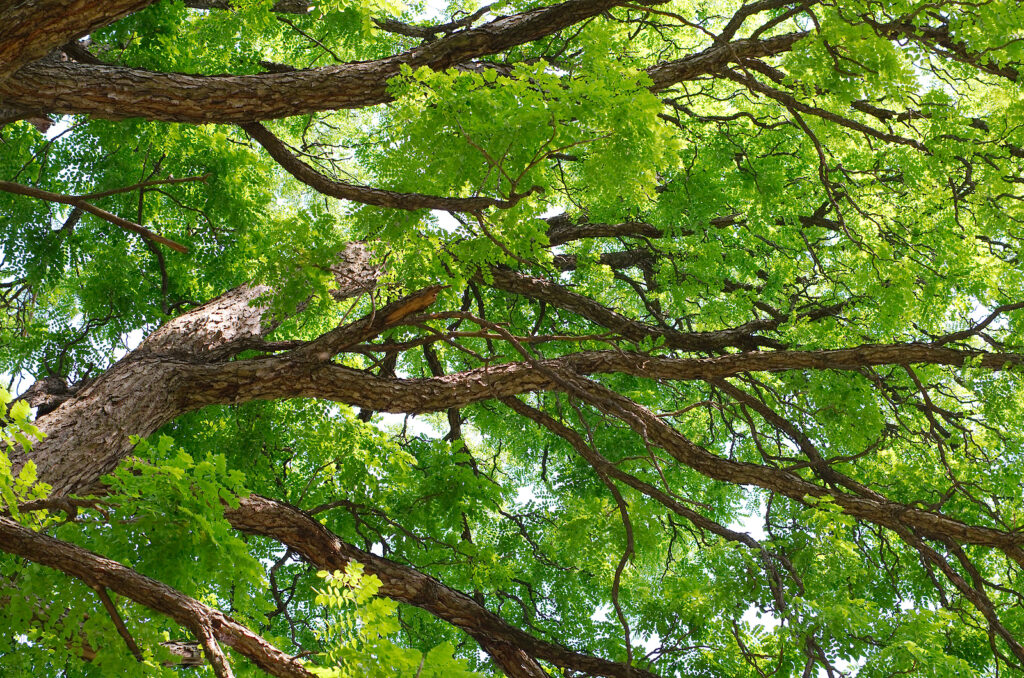
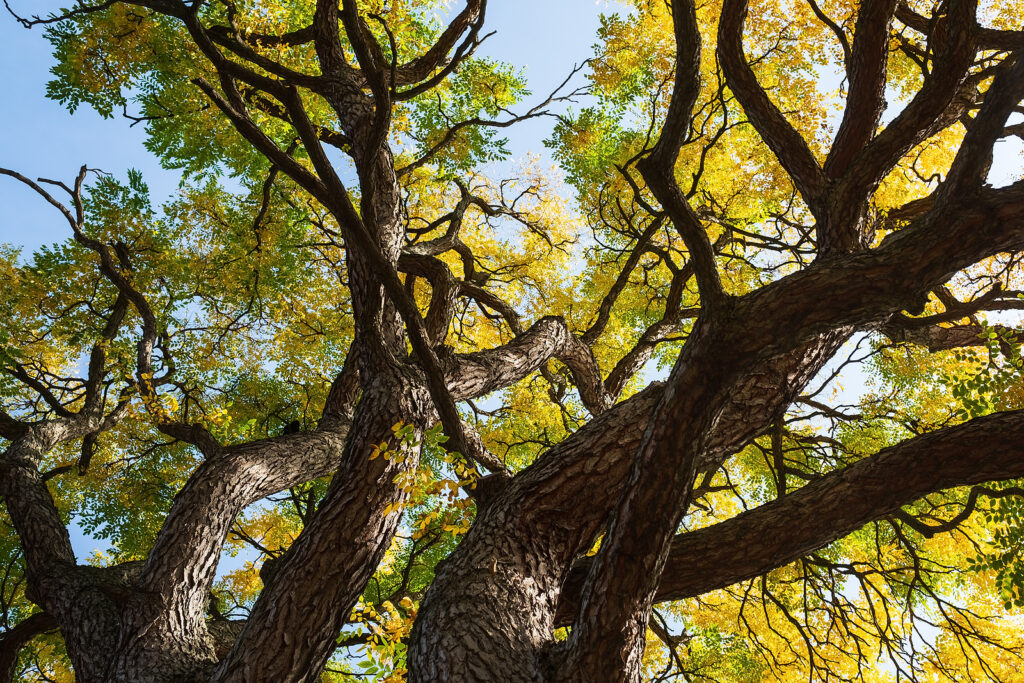
Gymnocladus—commonly known as the Kentucky coffee tree is a tough tree for difficult situations. It grows to 70 feet tall and 50 feet wide. It has an oval crown, silvery twigs, and ascending branches.
Gymnocladus tolerate drought and occasional wet soil. It can withstand urban conditions. It may be too large to plant as a street tree but its pinkish leaflets that mature to dark-green then turn pastel yellow in autumn make it a good choice as a specimen or feature tree in a large landscape.
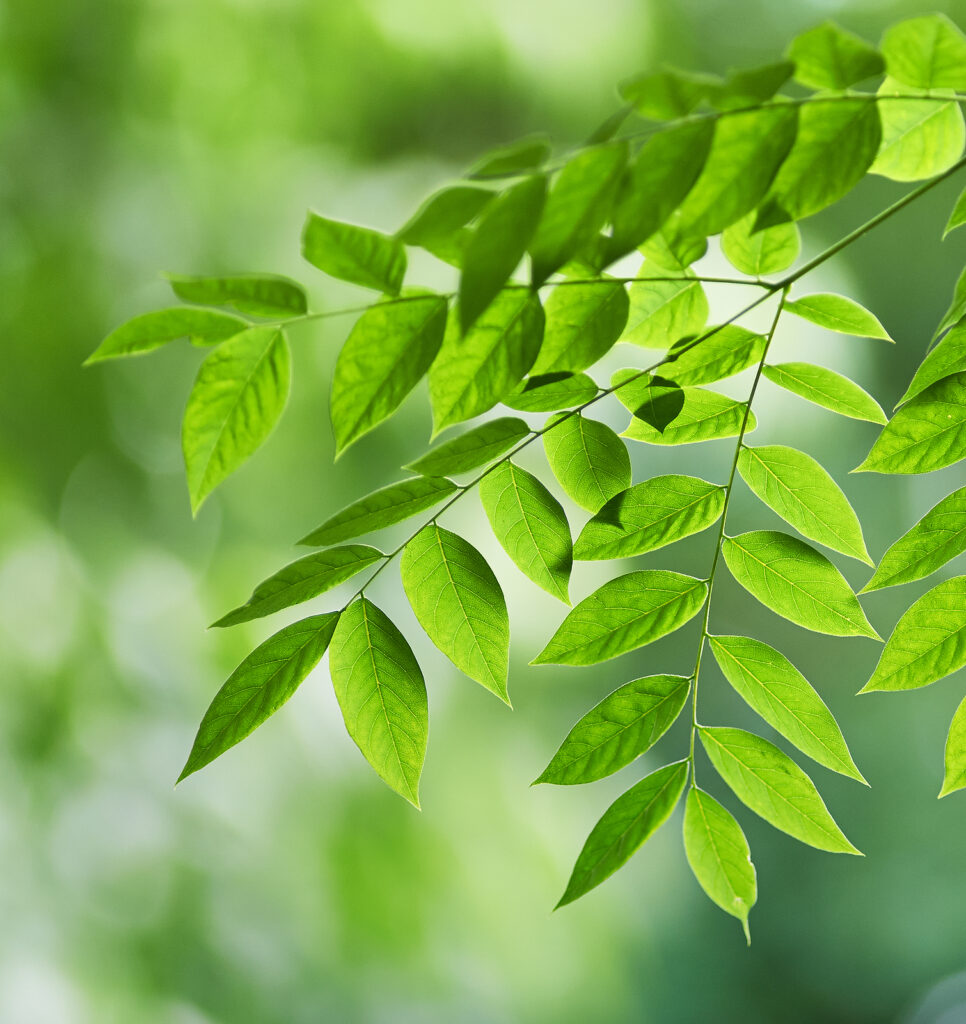
Gymnodcladus bears doubly compound leaves; that is stem to 3 feet long and 2 feet wide, each with a hundred or more 2 to 4 inch long pointed leaflets.
Seeds are poisonous when raw, but European colonists roasted them and used them like coffee.
Know What to Plant This Week
Every week I answer the gardener's most important question: what should I plant now? Get seasonal planting advice free — or go Pro for my full Soil Temperature Garden Report, with soil temperature, moisture, weather trends, and crop-by-crop recommendations.
Get to know Gymnocladus
- Plant type: Deciduous dioecious (male and female) trees
- Growing zones and range: Zones 3 to 8
- Hardiness: Withstands cold winters
- Height and width: Grows to 40 to 50 feet (15m) tall and just as wide in 20 years; Gymnocladus can grow to 70 feet high (20m)
- Foliage: Each leaf has one main stem with several smaller stems branching off, each bears many leaflets
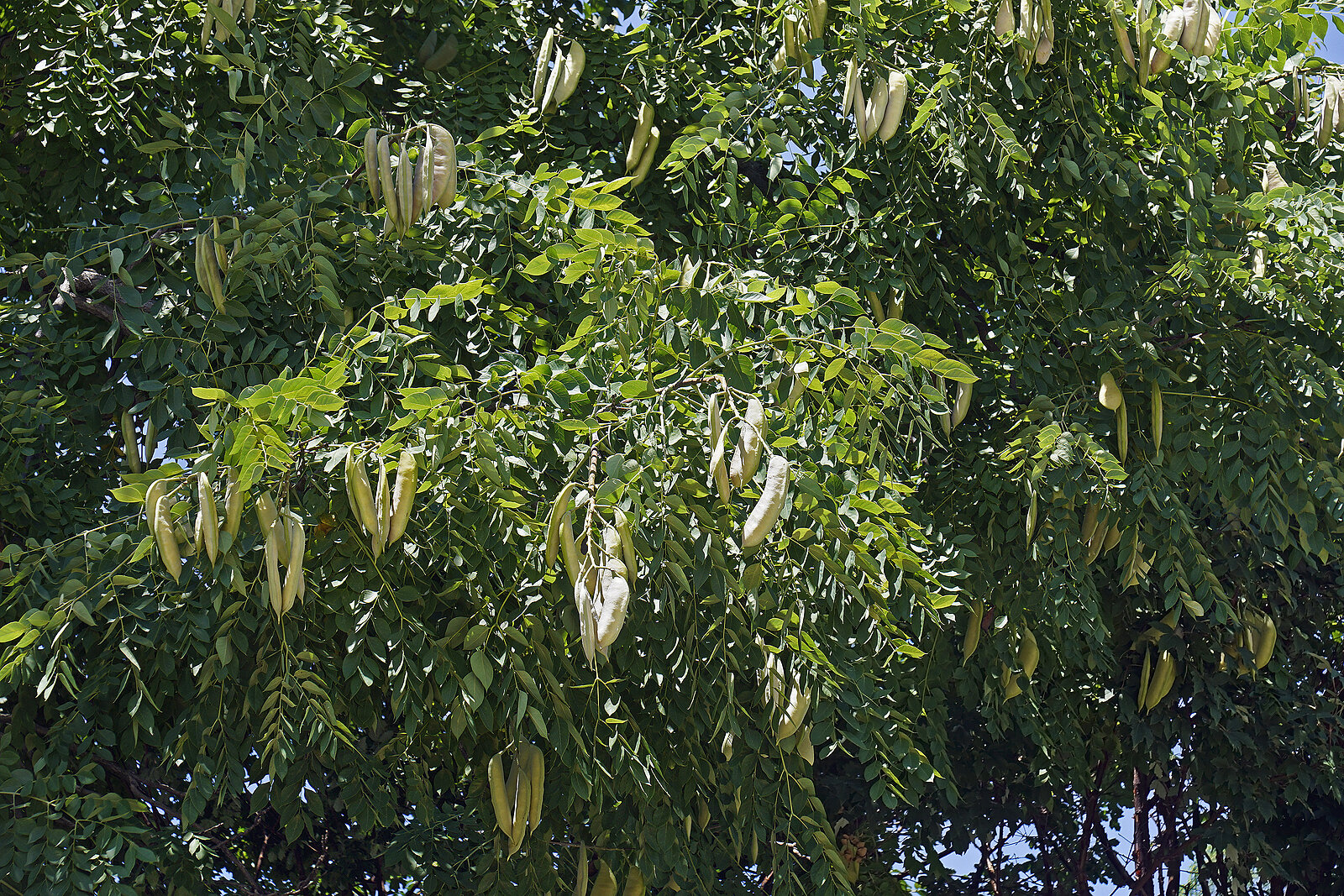
- Flowers: Tiny spring flowers are rarely seen; six-inch-long reddish-brown seedpods containing large seeds develop on female trees and hang through the winter.
- Bloom time: Spring
- Uses: Excellent specimen tree when planted against a dark background of conifers
- Common name: Kentucky coffee tree
- Botanical name: Gymnocladus
- Family name: Leguminosae
- Origin: Woodlands of East Asia and North America
Where to plant Gymnocladus
- Grow Gymnocladus in full sun.
- Plant Gymnocladus in humus-rich, well-drained soil.
- Tolerates drought and occasional wetness.
- Gymncladus prefers a soil pH of 6 to 8.
When to plant Gymnocladus
- Set container-grown plants in the garden in spring or autumn.
Planting and spacing Gymnocladus
- Space trees Gymnocladus 50 feet (15m) apart.
How to water and feed Gymnocladus
- Keep the soil evenly moist. Mature trees can tolerate drought.
- Fertilize with an all-purpose, organic fertilizer in spring.
Gymnocladus care
- Train to a strong branch structure when young.
- Prune is not normally needed.
- Prune in summer to avoid bleeding sap.
Gymnocladus pests and diseases
- Gymnocladus is usually not bothered by pests and disease.
Gymnocladus propagation
- Grow Gymnocladus from seed. Sow seed in containers in a cold frame in autumn after nicking or soaking.
- Take root cuttings in winter.
Gymnocladus varieties to grow
- Gymnocladus dioica, Kentucky coffee tree: Grows to 40 feet (12m) tall in 20 years; leaves open in late spring, flushed a delicate pink; leaves turn pale green in summer and yellow in autumn; tree eventually develop rounded crown. Two cultivars are ‘Espresso’ which is vase-shaped and seedless and ‘Praire Titan’ which is pyramidal and seedless.