How to Grow Genista – Broom

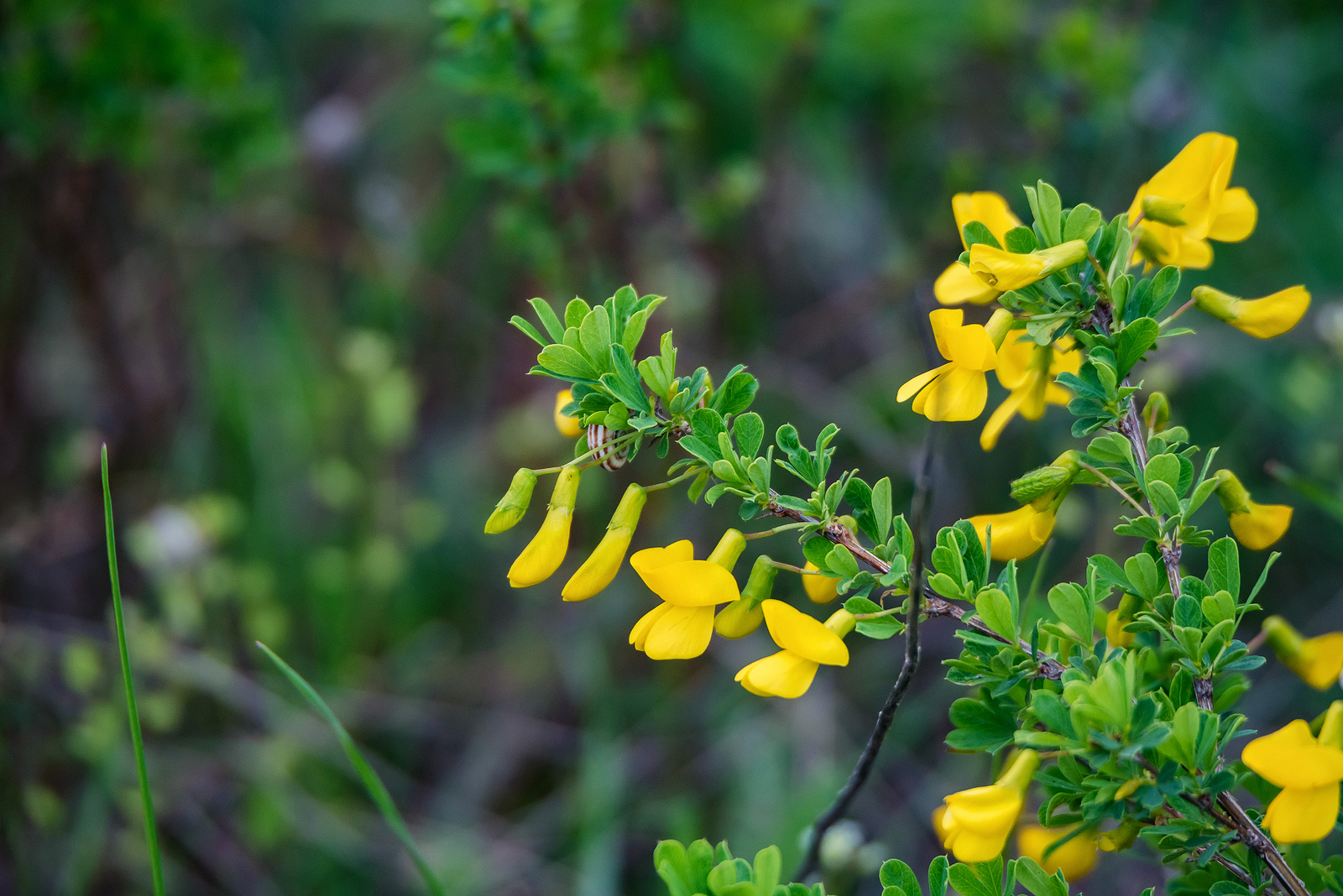
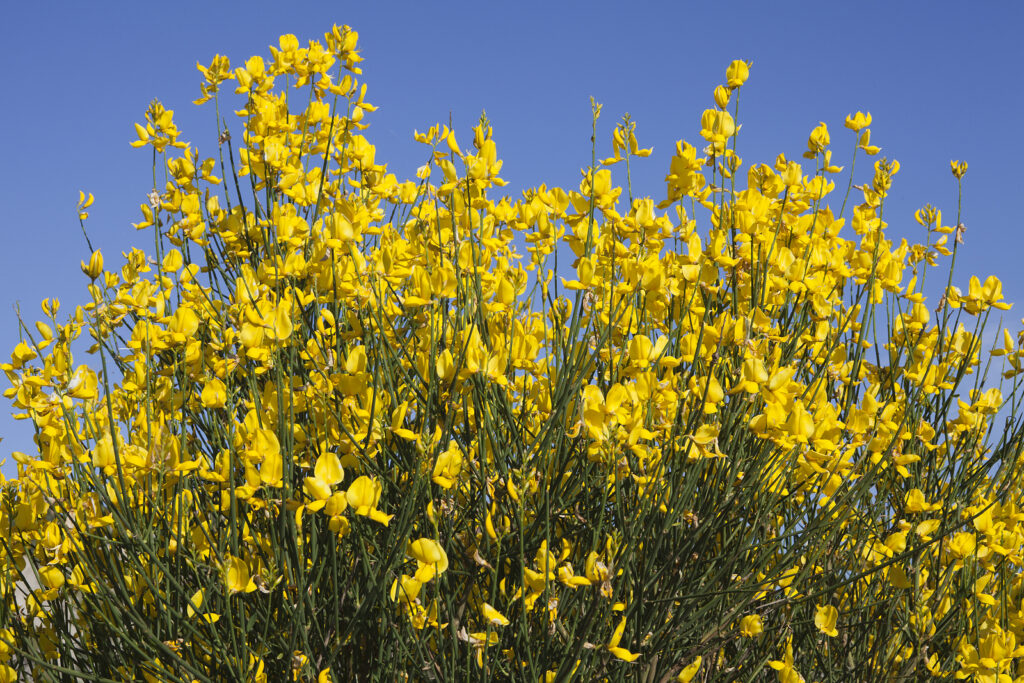
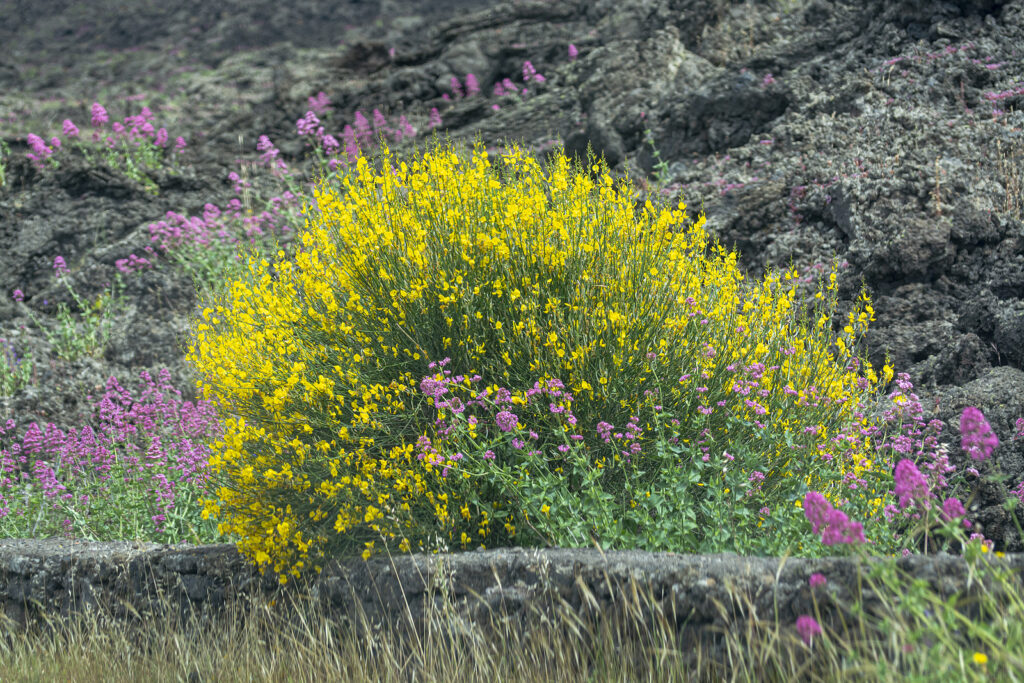
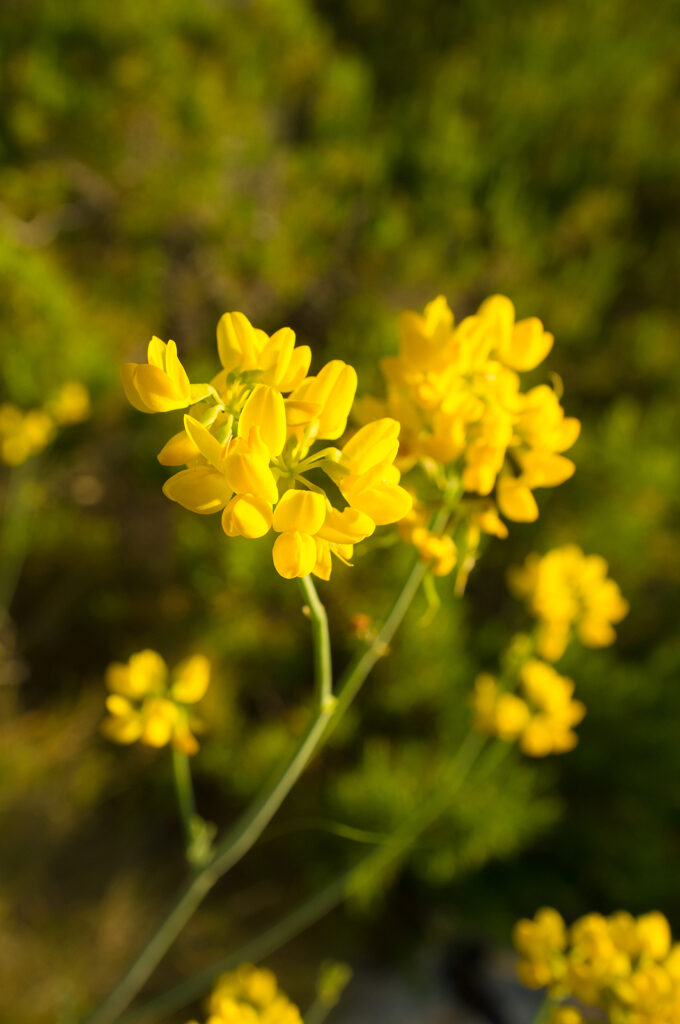
Genista — commonly called broom–bears sweet pea shaped yellow flowers from spring into summer. Genista has arching branches; species range from almost prostrate shrubs that can be used as ground cover to large shrubs reaching to 15 feet (4.5m) tall.
Genista is commonly called broom; the branches were once used for making dust rooms. Genista is related to the genus Cytisus, also commonly called broom. Genista is less aggressive than Cytisus or Spartium (Spanish broom) and will not run wild or become invasive.
Genista tolerates rocky and infertile soil and thrives in full sun.
Genista is a genus of about 90 species of mainly deciduous shrubs and occasionally trees found in pastures and rocky places in Europe, the Mediterranean, and West Asia.
Know What to Plant This Week
Every week I answer the gardener's most important question: what should I plant now? Get seasonal planting advice free — or go Pro for my full Soil Temperature Garden Report, with soil temperature, moisture, weather trends, and crop-by-crop recommendations.
Get to know Genista
- Plant type: Deciduous flowering shrub.
- Growing zones and range: Zones 4 or 5 to 9 depending on the variety
- Hardiness: Hardy to Zone 4
- Height and width: 3 to 10 feet (.9m-3m) tall and wide depending on the variety
- Growth rate: Slow.
- Form and habit: Erect, mounded, twiggy, arching, branching.
- Foliage: .5-1 inch (1.3-2.5cm) long, rich green; leaves are insignificant; in winter, Genista stems remain green, adding an attractive touch of color to the garden.
- Flowers: Pealike yellow, .5-.75 inch (1.3-2cm) long, borne on upright racemes 1-3 inches (2.5-7.6cm) long, followed by dry pods.
- Fruits: Insignificant pods.
- Bloom time: Spring to summer with some repeat bloom.
- Uses: Erosion control on slopes; rock garden; edger; formerly used to make dust brooms.
- Common name: Broom
- Botanical name: Genista
- Family name: Leguminosae
- Origin: Europe, Asia, and Africa.
Where to plant Genista
- Plant Genista in full sun.
- Genista thrives with little care in sunny spots
- Plant Genista in well-drained, infertile dryish sandy soil; pH 6.5 to 7.5.
When to plant Genista
- Genista transplants with difficulty and needs time to establish itself, though it is carefree once growing.
- Set out young container-grown Genista in early spring in well-drained infertile sandy soil that is rather dry.
Planting and spacing Genista
- Space Genista 3 to 10 feet (.9m-3m) apart depending on the variety.
- Sow seed 1/8 inch deep in evenly prepared soil or containers.
How to water and feed Genista
- Give Genista moderate to little water.
- Genista handles drought.
- Genista cannot tolerate having even damp feet.
- Feed Genista with an all-purpose organic fertilizer in spring.
How to prune and care for Genista
- Pruning season for Genista is after flowering, but is better left natural.
- Genista may rebloom sparsely if pruned back lightly after reblooming.
Genista pests and diseases
- Dieback, powdery mildew, and scale insects can occur.
Genista propagation
- Sow seed in containers outdoors in a cold frame in autumn.
- Take semi-ripe cuttings in summer.
Genista varieties to grow
- Genista aetnensis, Mt. Etna Broom, large shrub or small tree to 18 feet (5.5m) or more, with graceful arching, weeping green branchlets, leafless or with very tiny leaves during the growing season. Branches are covered with blooms in summer. Doubtful if hardy much below 5° Fahrenheit (-15°C).
- C. canariensis (Cytisus canariensis), Canary Island Broom, evergreen. Damaged if 15° Fahrenheit (-9°C) but recovers quickly. Many-branched, upright shrub 6-8 feet (1.8-2.4m) wide. Bright green leaves divided into .5 inch (1.3cm) leaflets. Fragrant flowers appear at ends of branches in spring and summer. The Genista of florists.
- G. fragrans, a white-flowered species not in the nursery trade. Plants sold under this name are G. spachiana.
- G. Lydia, evergreen. Nearly leafless, shrublet, often sold erroneously as Cytisus lydia. Grows to 2 feet (.6m) high, with spreading habit. Makes a good ground cover. Profusion of flowers at ends of shoots in late spring. Sets little seed.
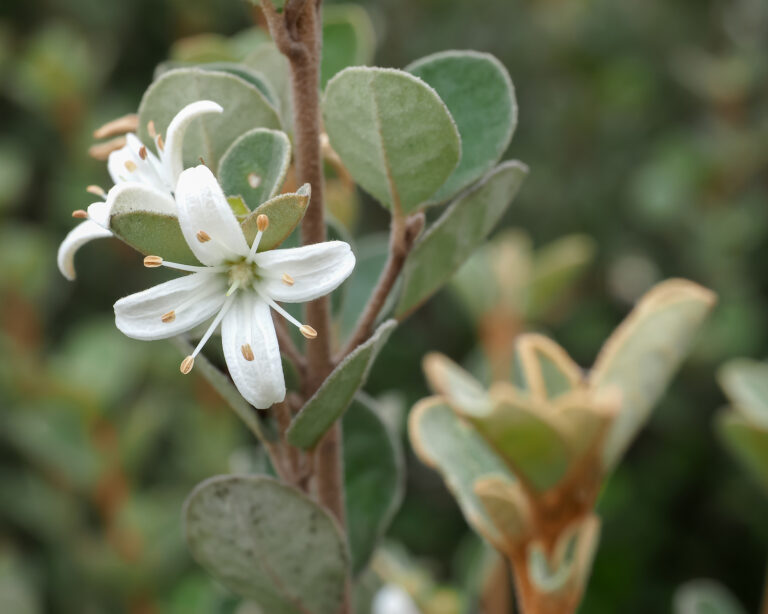
- G. monosperma, Bridal Veil Bloom, upright growth to 20 feet (6.1m) high, 10 feet (3.1m) wide, with slender, graceful, gray-green, almost leafless branches. Fragrant white flowers in late winter, spring.
- G. Pilosa, Wilky-leaf woadwaxen, is an even shorter species, hardy in Zones 5 or 6 to 7 or 8, grows slowly to about a foot (.3m) high. It has small hairy leaves and, in spring and summer, it bears short clusters of yellow flowers. ‘Vancouver Gold’ is an especially floriferous cultivar.
- G. sagittalis, rather rapid grower to 1 foot (.3m) high, with widespread. Leafless, upright, winged, bright green branchlets appear jointed. Makes sheet of golden flowers during bloom in late spring and early summer.
- G. spachiana (G. racemosa), evergreen, similar to G. canariensis, but with larger leaflets and longer, looser spikes of fragrant yellow flowers in late spring. Naturalizes where adapted. Often sold as G. fragrans.
- G. tinctoria, Dyer’s Greenwood, Woadwaxen, the hardiest species, which grows in Zones 4 or 5 to 7 and was once used to make dyes. An erect twiggy shrub about 3 feet (.9m) high and wide, it has spiny stems and bright green leaves about an inch (2.5cm) long. In June, it covers itself with clusters of bright yellow flowers; the shrub may bloom again if cut back after flowering. It has naturalized in parts of North America. ‘Royal Gold’ is a 2 foot (.6m) cultivar.