How to Grow Corylopsis – Winter Hazel

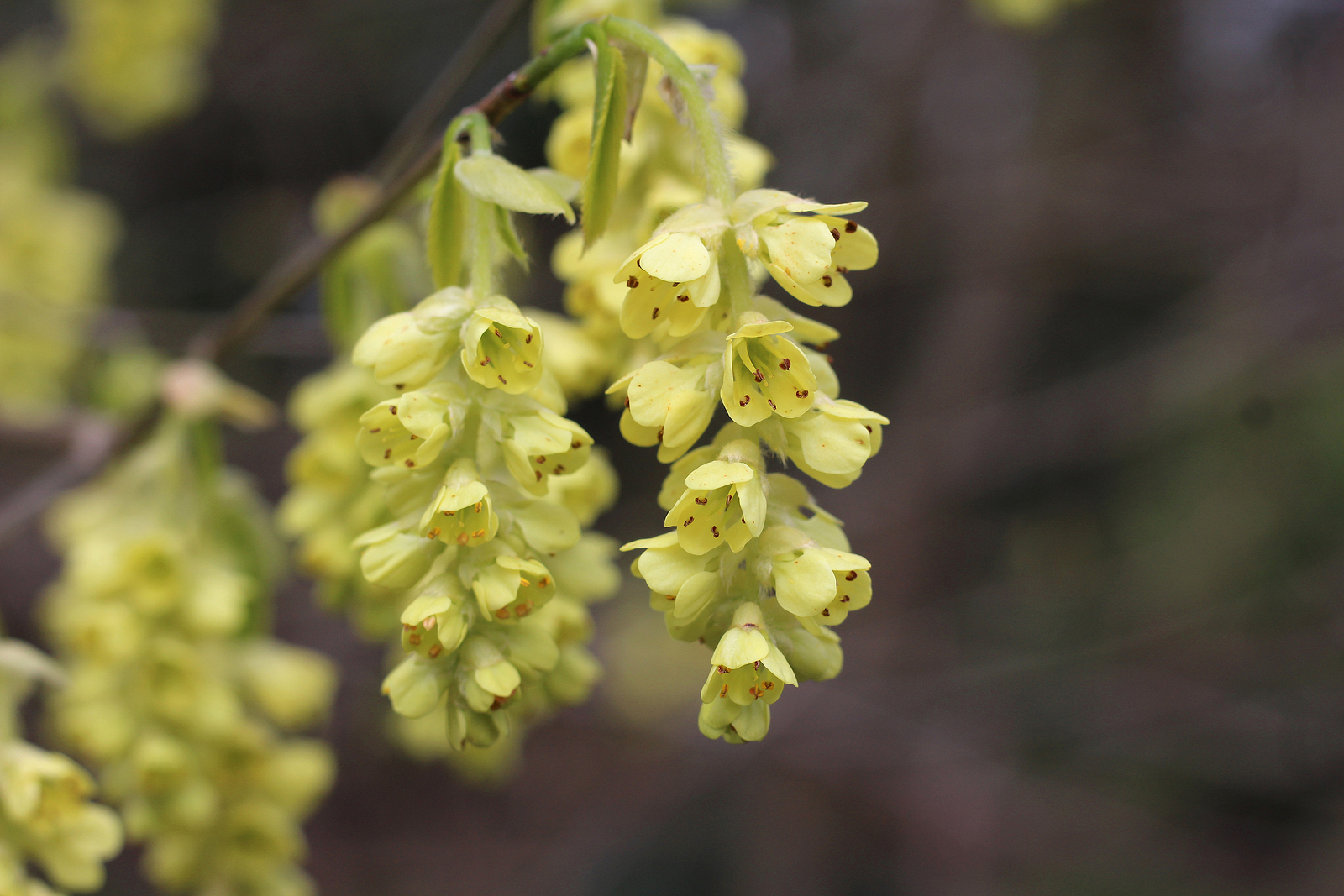
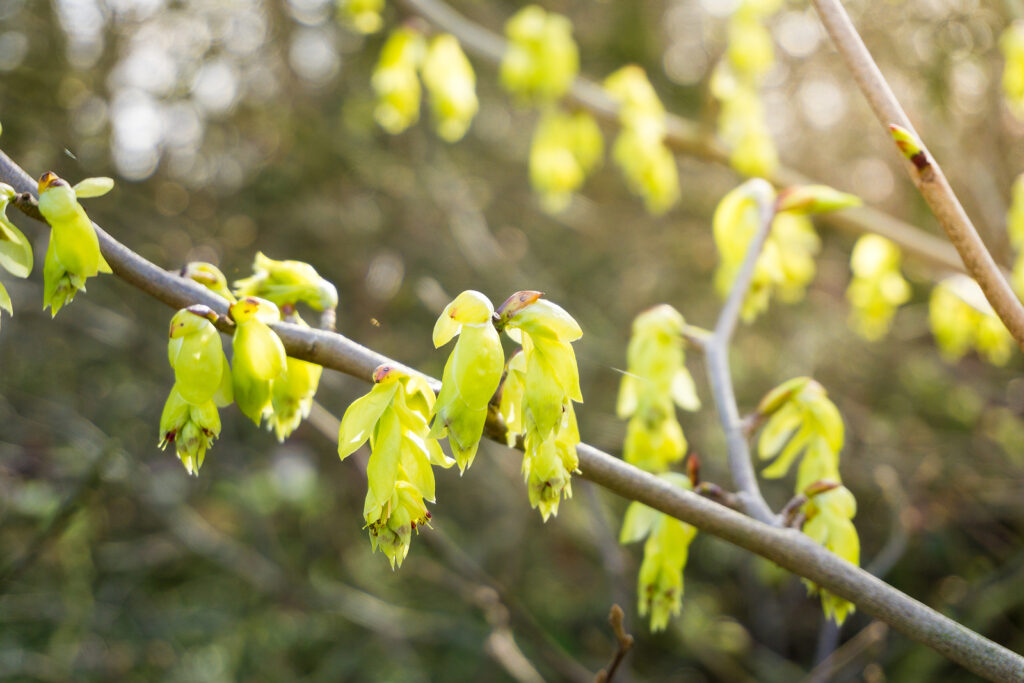
Corylopsis-commonly called winter hazel–is a deciduous shrub that bears bell-shaped fragrant yellow flowers borne on pendent racemes in spring before the young leaves emerge. Corylopsis has a spreading habit; it grows from 5 to 15 feet tall and is commonly wider than it is tall. Leaves are pale to dark green.
Corylopsis is a good choice for a woodland garden or in a shrub or mixed border. Planted against a backdrop of evergreens the late winter, early spring blooms will be well displayed.
Corylopsis grows best in partial shade in humus-rich, well-drained soil. Corylopsis should be planted where it is protected from wind.
Corylopsis is a genus of about 10 species of deciduous shrubs and small trees native to woodlands and scrub in the Himalayas, China, and Japan.
Know What to Plant This Week
Every week I answer the gardener's most important question: what should I plant now? Get seasonal planting advice free — or go Pro for my full Soil Temperature Garden Report, with soil temperature, moisture, weather trends, and crop-by-crop recommendations.
Get to know Corylopsis – Winter Hazel
- Plant type: Deciduous shrub
- Growing zones and range: Zones 6-9
- Hardiness: Hardy to Zone 6
- Height and width: 5 to 12 feet (1.5-4m) tall and 8 to 12 feet (2.5-4m) wide
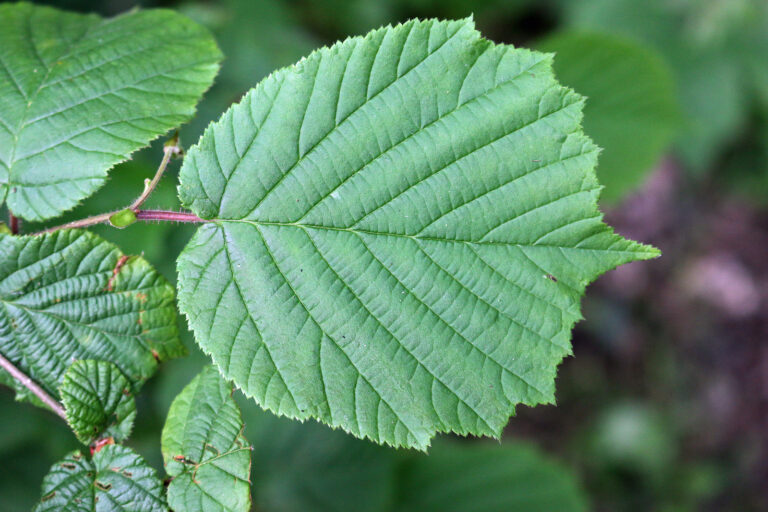
- Foliage: Ovate, toothed, pale to dark green leaves
- Flowers: Pendent racemes of 6-20 bell-shaped fragrant yellow flowers
- Bloom time: Early spring
- Uses: Woodland garden, shrub or mixed border
- Common name: Winter hazel
- Botanical name: Corylopsis
- Family name: Hamamelidaceae
- Origin: Himalayas, China, Japan
Where to plant Corylopsis – Winter Hazel
- Plant Corylopsis in partial shade.
- Grow Corylopsis in humus-rich, acidic, well-drained soil.
When to plant Corylopsis – Winter Hazel
- Set container-grown Corylopsis in the garden in late spring or autumn.
Planting and spacing Corylopsis – Winter Hazel
- Space Corylopsis 8 to 12 feet (2.5-4m) apart depending on the variety.
How to water and feed Corylopsis – Winter Hazel
- Water Corylopsis to keep the soil evenly moist.
- Fertilize Corylopsis with an all-purpose fertilizer in late spring.
Corylopsis – Winter Hazel care
- Protect Corylopsis from the wind.
- Protect Corylopsis from hot sun and late frosts.
Corylopsis – Winter Hazel pests and iseases
- Corylopsis is usually not bothered by pests or disease.
Corylopsis – Winter Hazel propagation
- Propagate Corylopsis by layering or softwood cuttings; layer plants in autumn.
- Sow seeds in containers in an open frame in autumn.
Corylopsis – Winter Hazel varieties to grow
- Corylopsis glabrescens, fragrant winter hazel. Grows 10 feet tall and wide, open, spreading habit; plae yellow flwoers with sily bracts hand in 1-inch racemes; oval leaves are yellow-green to gold in fall.
- C. pauciflora, buttercup winter hazel. Grows 4 to 6 feet tall and 8 feet wide; pale yellow flowers; small silky leaves.
- C. spicata, spike winter hazel. Grows to t feet tall and 10 feet wide; crooked branches; new leaves are purple to pin, eventually turn blue-green; flowers with pink stamens.