How to Grow Aglaonema – Chinese Evergreen

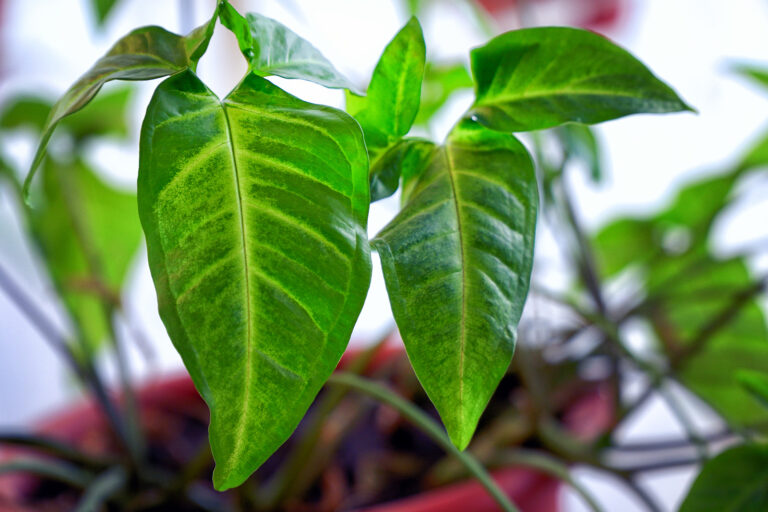
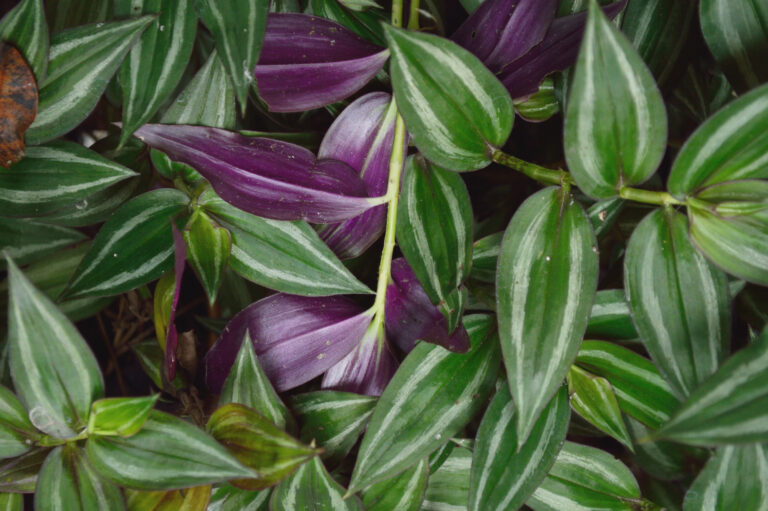
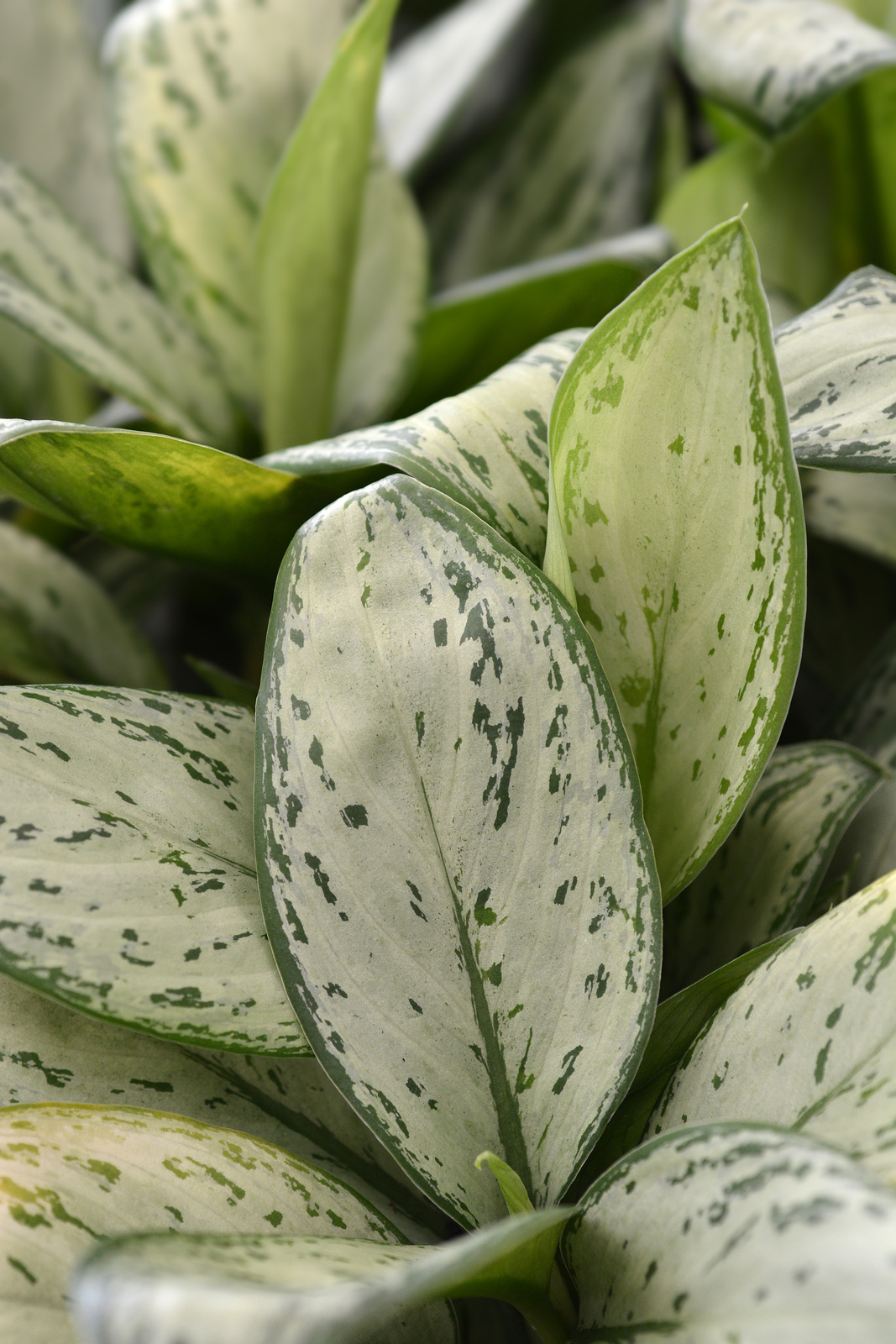
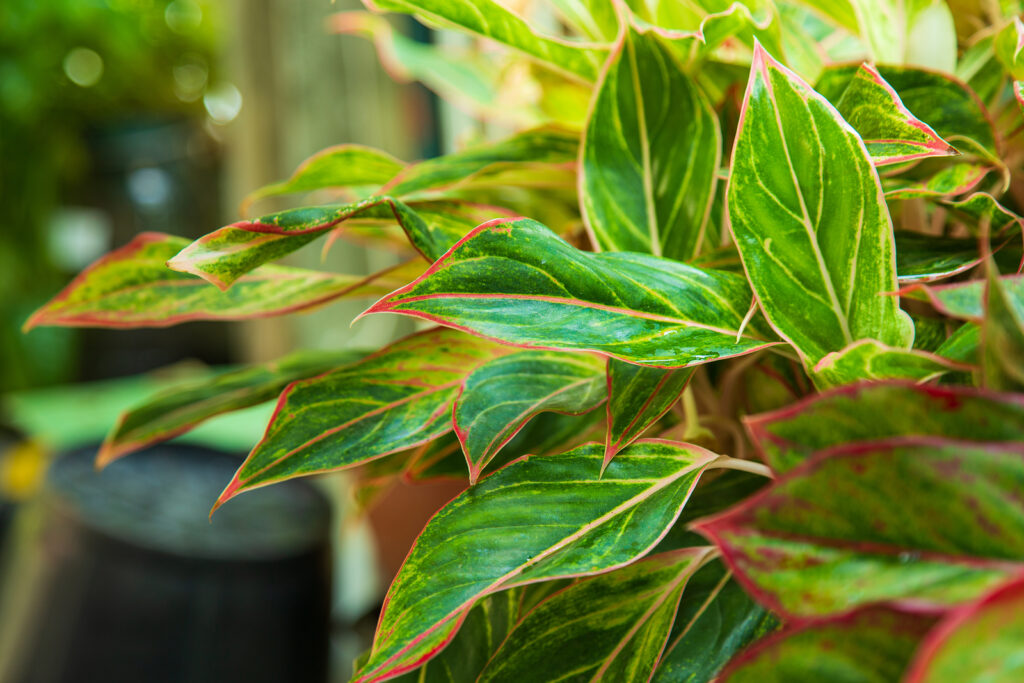
Aglaonema–commonly called Chinese evergreen–has gorgeous foliage marked with a mixture of green, pewter, silver, cream, and white. Few houseplants adapt as well to a dark corner.
Both its toughness and its attractive foliage account for Aglaonema’s perennial popularity. Its graceful, oblong leaves grow a central stem. The flowers resemble small greenish Callas.
Aglaonema is a genus of flowering plants that belong to the arum or Araceae family. They are native to tropical and subtropical regions of Asia and New Guinea.
Aglaonema is a low-growing evergreen perennial. Stems can grow erect or they can creep along the ground. Stems growing along the ground can root at nodes.
Know What to Plant This Week
Every week I answer the gardener's most important question: what should I plant now? Get seasonal planting advice free — or go Pro for my full Soil Temperature Garden Report, with soil temperature, moisture, weather trends, and crop-by-crop recommendations.
Aglaonema grows from a crown of wide leaf blades which are usually variegated silver and green. There is a short zone of female flowers near the base and a wider zone of male flowers nearer the tip.
Propagate Aglaonema from cuttings or by dividing the basal shoots. Plants must be protected from cold temperatures and excessive sunlight. Removing any flowers that develop will prolong the life of the plant.
Aglaonema requires moist soil, and some cultivars do best with a small amount of fertilizer; however, plants are easily injured when over-fertilized.
Get to know Aglaonema
- Plant type: Tropical evergreen perennial
- Growing Zones and range: 10-11
- Hardiness: Tender; warm 65°F (18°C) nights to 85°F days
- Optimal growing temperature: day 70°-80°F (21°-27°C), night 62°-69°F, 17°-21°C.
- Height and width: Usually 1 to 2 feet (30-60cm) tall; can grow to 3 feet (90cm) tall; compact plant with multiple leafstalks
- Foliage: Patterned, elliptic foliage grows to 12 inches (30cm) long and 4 inches (10cm) wide.
- Flowers: Sends up an elegant white flower that looks like an open pod
- Uses: Houseplant, tropical garden
- Common name: Chinese evergreen
- Botanical name: Aglaonema spp.
- Family: Araceae
- Origin: Tropical forests in Asia
Where to plant Aglaonema
- Aglaonema will grow in bright reflected light but can adapt to low light.
- Average household temperatures and medium to high humidity are good
- Pot in a peat-based mix or standard indoor potting soil.
Planting and spacing Aglaonema
- Space Aglaonema 12 inches (30cm) to several feet apart.
How to water and feed Aglaonema
- Use unchlorinated water, allowing tap water to stand overnight for the best results.
- Allow the soil to dry slightly between watering; roots can rot if left standing in water.
- Fertilize Aglaonema once a year with 10-10-10 fertilizer.
Aglaonema care
- Repot Aglaonema when the roots occupy 3/4 of the pot or when the plant looks tired.
- Fertilize Aglaonema three times a year, or less if in low light.
- Periodic showers will clean leaves or wipe the leaves frequently with a damp cloth.
- Remove withered or dried leaves.
- A tall plant can be trimmed by cutting growing ends.
- Chinese evergreen will accept potbound conditions for long periods, but repotting plants with crowded roots is best.
Growing Aglaonema as a houseplant
- Agalonema commonly grown as houseplants include A. commutatum ‘Silver Queen’ with dark green leaves and irregular silver patches; A. costatum with glossy green leaves flecked with irregular white markings, and A. modestum with waxy, dark green leaves.
- Aglaonema needs limited light, medium humidity, and average temperature.
- Allow the soil to dry between waterings.
- Apply fertilizer in spring and summer.
Aglaonema common problems
- Brown leaf edges indicate dry air, bad drainage, or too excess minerals or salts from tap water.
- Leaf variegation fades in too much light.
- Saplike exudation from leaf tips can spot wood finishes.
- Mealybugs may hide at leaf bases. Wash mealybugs off with a sharp stream of water or spray with insecticidal soap.
Aglaonema propagation
- Take stem cuttings, divide the stalks, or air layer at any time. Cuttings will root in plain water.
Aglaonema varieties to grow
- Aglaeonema commutatum grows to 10 inches tall; ‘Silver Queen’ has dark green leaves with irregular patches of silver.
- A. costatum, spotted Chinese evergreen, forms a dense clump of oval, glossy green leaves flecked with irregular white markings.
- A. pictum grows to only 6 inches and has speckled leaves.
- A. nitidum is the largest growing to 18 inches.
- A.’Silver Queen’ and ‘Silver King’ have silver-gray markings.
- A. costatum has dark green leaves marked with creamy blotches.
- A. roebellinii produces elongated, oval, green leaves and has an upright habit.