How to Grow Candytuft — Iberis

Iberis–commonly called candytuft–is a garden favorite. The compact umbel heads of short-spiked cover the low-spreading plant during the bloom season. There is both annual and perennial candytuft. Both have green, fine-textured foliage and are trouble-free.
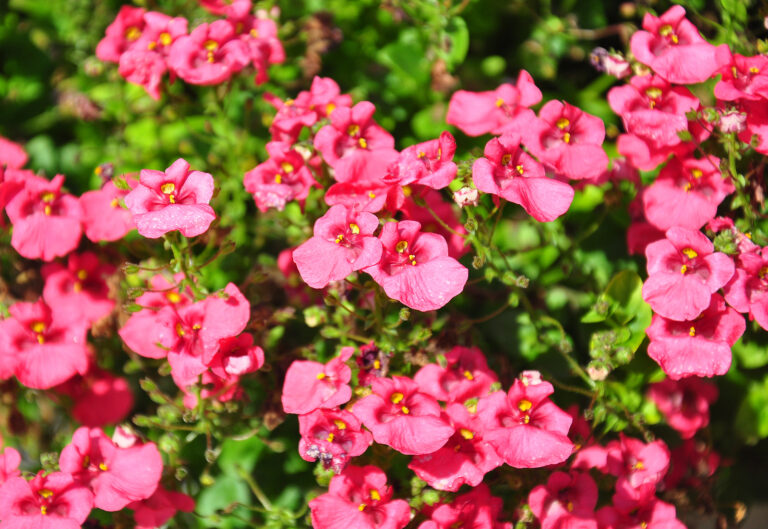
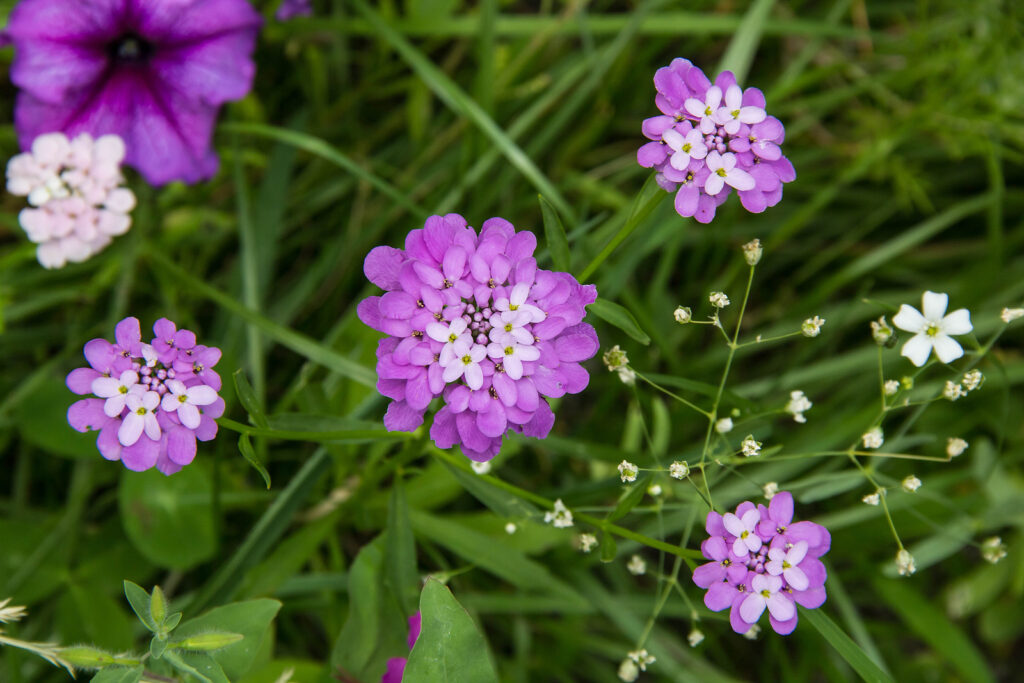
Perennial Iberis has white flowers. Annual Iberis has white, pink, rosy red, scarlet, violet, and purple flowers. The annual types are popular bedding plants, and the perennials are long-lived and attractive.
Garden Success Products at Amazon:
- 10 pcs Stainless Steel Garden Hand Tool Set
- Flexi Hose with 8-inch Nozzle
- Gorilla Cart 4 Cu. Ft, 300-pound Capacity
- Neem Bliss 100-% Cold Pressed Neem Oil
- Safer Brand Insect Killing Soap
- Wildflower Seed Mix Attracts Hummingbirds and Butterflies
- Eden Brothers All Perennial Seed Mix
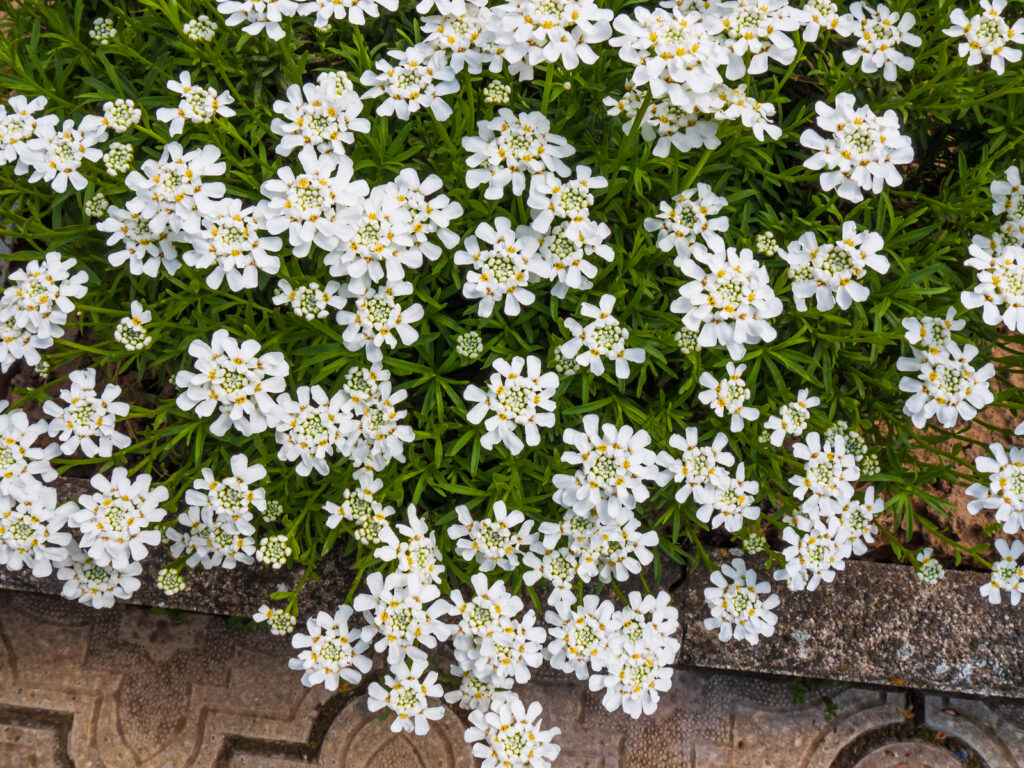
Iberis starts to bloom in early spring when tulips bloom. Plants can be massed at the front of borders, used as a groundcover, or planted in a rock garden or at the top of a stone wall where the foliage and flowers can cascade over.
Know What to Plant This Week
Every week I answer the gardener's most important question: what should I plant now? Get seasonal planting advice free — or go Pro for my full Soil Temperature Garden Report, with soil temperature, moisture, weather trends, and crop-by-crop recommendations.
Iberis are natives of Southern Europe. They are hardy and easy to grow.

Get to know Iberis
- Plant type: Evergreen perennial or cool-season annual
- Growing Zones and range: All zones as annuals; Zones 3 to 9 as perennials
- Hardiness: Perennial is hardy to -30°F/-34°C, can tolerate some summer heat
- Height and width: 6 to 12 inches (15-30cm) tall; 12 to 36 inches (30-91cm) wide
- Foliage: Dark green leaves that are narrow and lance-shaped
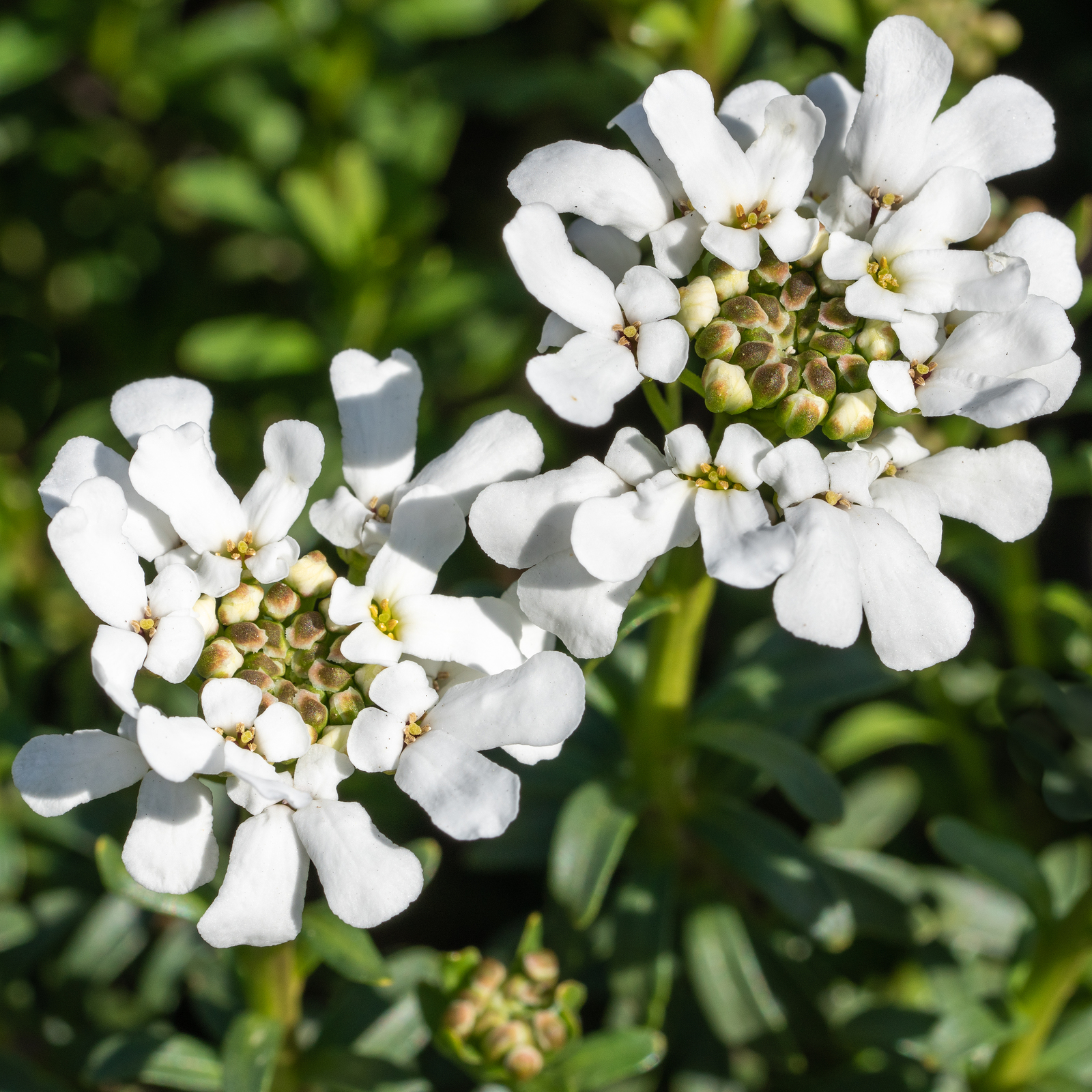
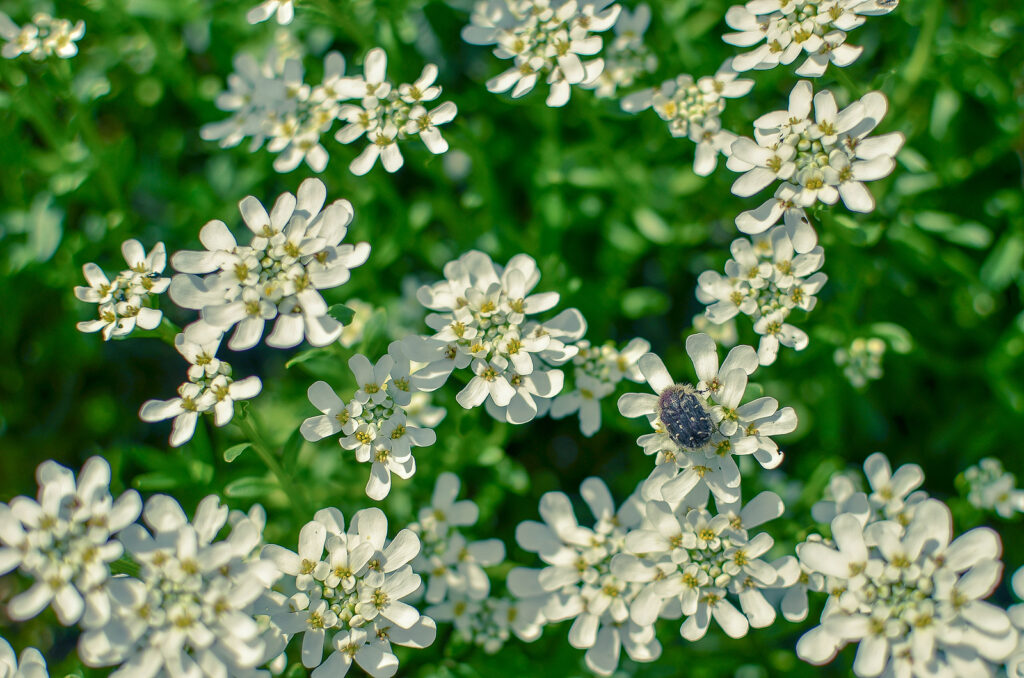
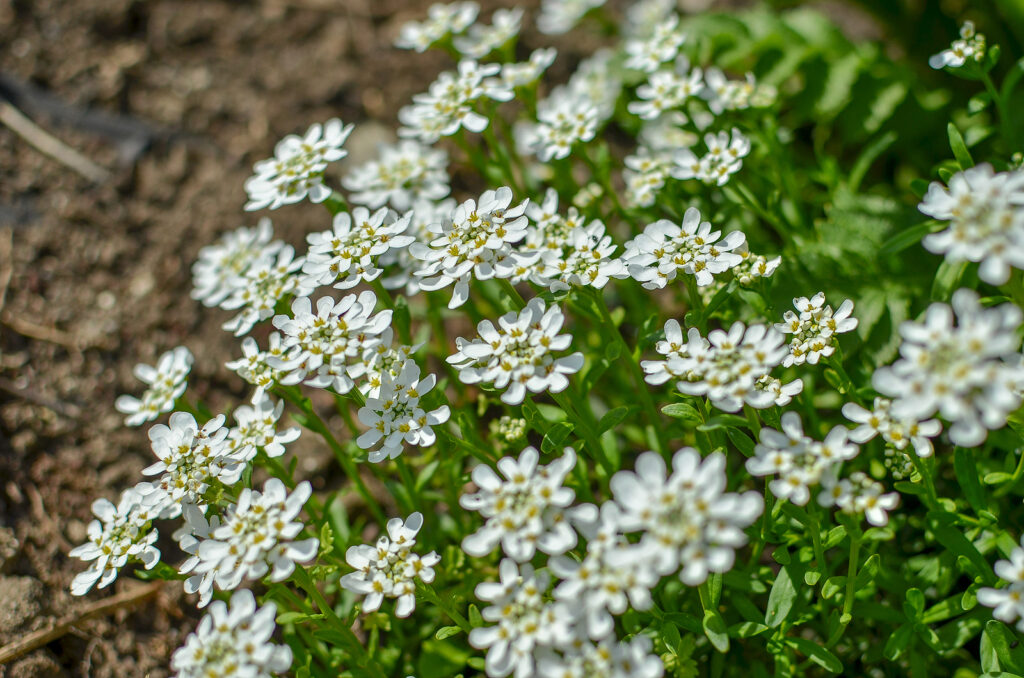
- Flower form: Clusters of tiny flat, single blossoms, creating a carpetlike effect
- Flower colors: Perennials are white; annuals can be white, pink, rosy, red, scarlet, violet, or purple
- Bloom time: Annuals bloom in late spring through summer in most regions; perennials bloom early to late spring
- Uses: Beds and borders, rock gardens, edging, patios, narrow spaces, spilling over walls, planters
- Garden companions: Tulips and late spring bulbs
- Common name: Candytuft
- Botanical name: Iberis spp.
- Family: Brassicaceae
- Origin: Southern Europe
Where to plant Iberis
- Plant Iberis in full sun.
- Iberis will grow in average, well-drained soil that is neutral to alkaline.
- Iberis prefers a soil pH of 5.5 to 7.
Iberis uses
- Plant Iberis in borders or as edging in borders and beds.
- Iberis is a good-looking addition to a rock garden.
- Use compact Iberis forms as edging for formal gardens.
- Good Iberis companions include Armeria maritima, Aurinia saxatile, Dianthus, Heuchera, Iris, Phlox subulata, Veronica. Iberis combines well with tulips.
When to plant Iberis
- Set Iberis in the garden in spring or fall.
- Start seed indoors 8 weeks before the last expected frost in spring. In Zones 9 to 11, sow seeds in fall or winter.
- Sow annuals outdoors in spring after the danger of heavy frost has passed, a few weeks before the last expected frost.
- Make successive sowings several weeks apart.
- Set annuals and perennials outdoors after the last frost in spring.
Planting and spacing Iberis
- Sow seeds in flats or six-packs in sterile potting soil; cover seeds with 1/8 inch of soil. Annuals may germinate in less than two weeks, perennials may take two months to germinate.
- Thin or transplant seedlings to the garden when they are 4 to 6 inches (10-15cm) tall.
- Space Iberis 12 inches (30cm) apart. Plant Iberis in mass, 8 plants or more, for best effect.
How to water and feed Iberis
- Iberis needs moderate moisture to produce the best bloom; keep the soil evenly moist.
- Fertilize Iberis lightly in spring with a slow-release fertilizer.
Iberis care
- Mulch around Iberis to conserve soil moisture.
- After flowering, cut back candytuft by one-third to renew plants.
- Protect plants in winter in Zone 6 and colder by mulching around plants with chopped leaves or straw; remove the mulch in spring before new growth emerges.
- Slugs may attack Iberis; dust around plants with diatomaceous earth to deter them.
Iberis propagation
- Seeds germinate in 7 to 14 days; sow seeds of annual varieties in the garden in spring or autumn; sow seeds of perennials in a cold frame in autumn.
- Perennial Iberis can be propagated by division or stem cuttings.
- Divide perennial varieties to increase plants.
- Take cuttings 6 inches (15cm) long from perennials right after the flowers bloom. Root cuttings in the sand, vermiculite, or peat moss; keep cutting moist until they root.
Iberis varieties to grow
- Iberis amara, rocket candytuft: Annual grows 6 to 18 inches (15-45cm) tall with spoon-shaped leaves; bears rounded 4 to 6-inch tall clusters of mildly fragrant white to lilac-white flowers in summer; cool-weather annual.
- I. saxatilis, rock candytuft, perennial candytuft: Perennial subshrub with wood base grows 3 to 6 inches (7.6-15cm) tall spreading to 12 inches wide; bears a flat-topped cluster of white flowers in mid-spring.
- I. sempervirens, common candytuft, evergreen candytuft: Perennial in Zones 9-10. It has 2-inch (5cm) clusters of bright white flowers from early to late spring. Plants are 8 to 12 inches (20-30cm) high and twice as wide. When not in blooms the narrow, glossy, dark green leaves form dense mounds. Cultivars include ‘Autumn Snow’, ‘Purity’, ‘Pygmea’, and ‘Snowflake.’
- I. umbellata, globe candytuft: Cool-season annual is taller and broader than the evergreen candytuft, I. sempervirens; has fragrant white blossoms; dwarf strains grow to about 6 inches high. In mild-winter regions, sow seed in the garden in autumn or early spring. Cultivars include ‘Brilliant’, ‘Dwarf Fairy’, ‘Flash’, and ‘Hyacinth Flowered.’
Iberis — candytuft frequently asked questions
Q: What are the different types of candytuft?
A: Rocket candytuft (Iberis amara) has large, upright, cone-shaped spikes of fragrant, glistening white flowers that look like hyacinths. These make good cut flowers. Globe candytuft (Iberis umbellata) is lower-growing and has dome-shaped flowers. Fairy Mix is the best-known globe candytuft.
Q: Why did my annual candytuft bloom for such a short time and then die?
A: Annual candytuft (Iberis umbellata) is a short bloomer. It blooms quickly from seed but does not last long. If you cut back the first blooms, the plant may bloom a second time. For continuous blooms, plant seeds at two- to three-week intervals in the cool spring and fall temperatures. Annual candytuft does not do well in the summer heat.