How to Grow Incense Cedar — Calocedrus

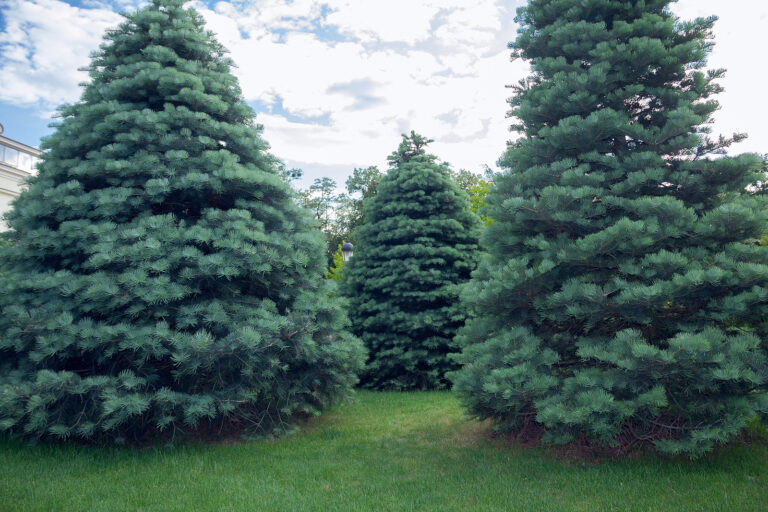
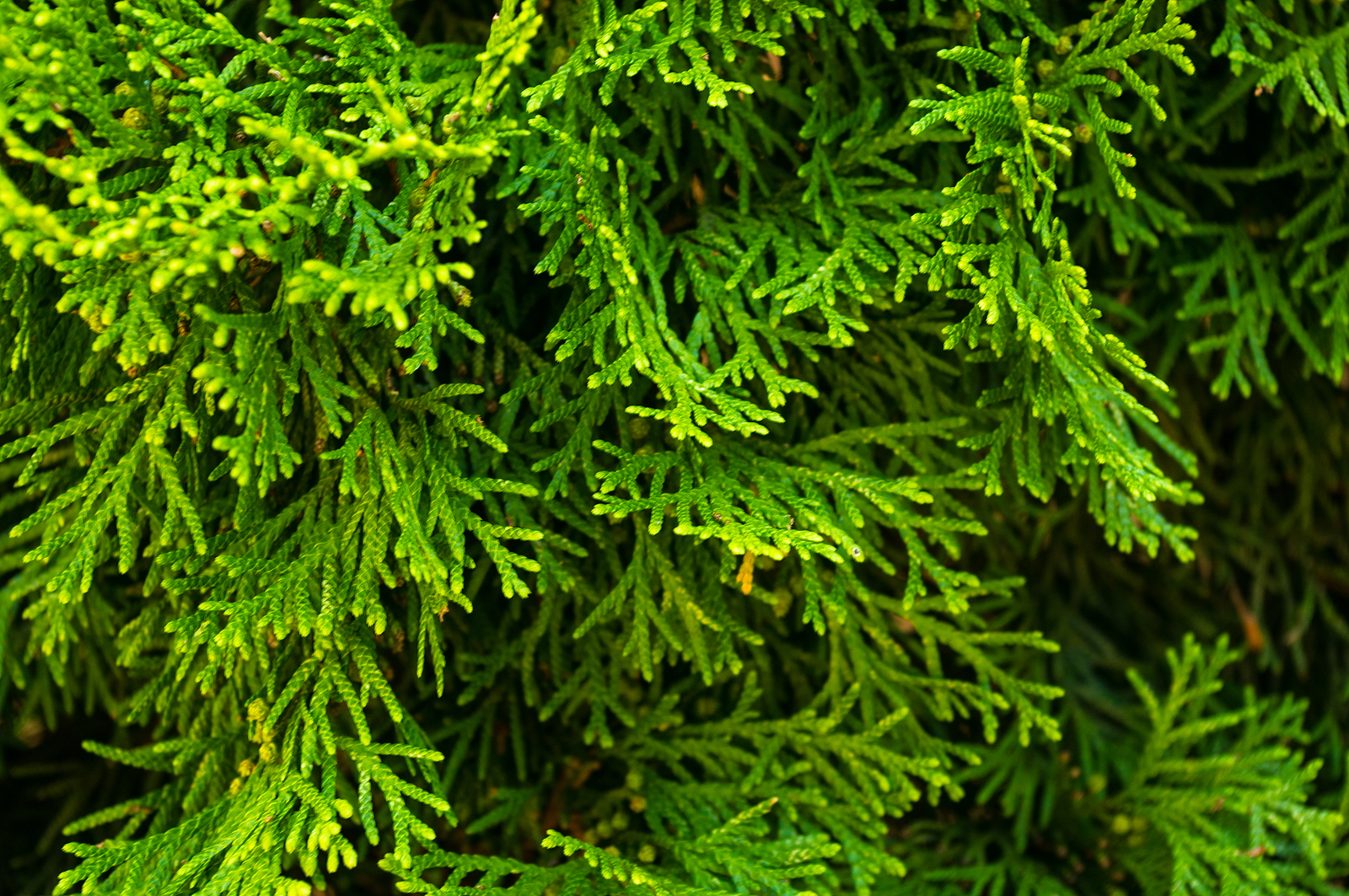
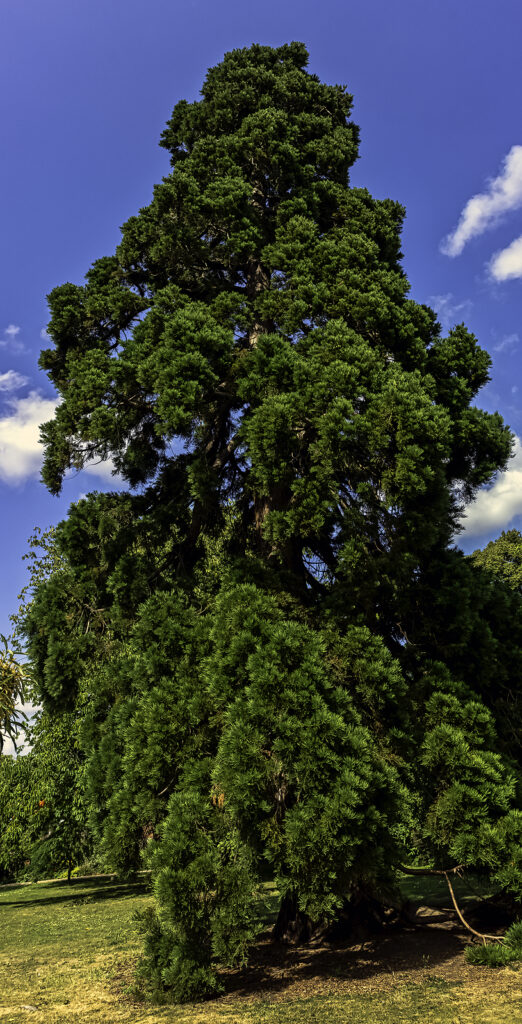
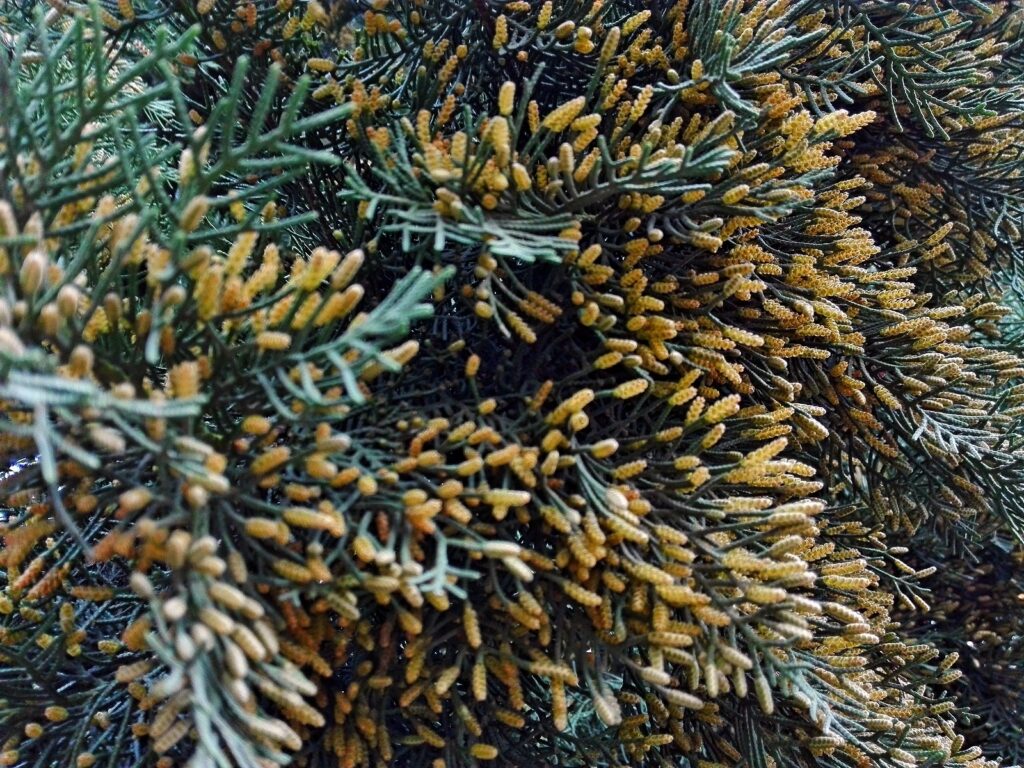
Calocedrus — commonly called Incense Cedar–is a dense, symmetrical tree with a narrow, pyramidal corwn. It has rich green foliage in flat sprays and reddish-brown bark. It has scalelike leaves in whorls of four.
Calocedrus is an adaptable tree that is widely grown in the Western United States. It tolerates a variety of soils and can withstand blazing summer heat and drought.
Calocedrus has a single leader and short branches. It can withstand the weight of snow and ice and retains its bright green color in winter.
Caloderus can be grown as a specimen in a large garden. It can be grouped to form a wall or hight screen or windbreak.
Know What to Plant This Week
Every week I answer the gardener's most important question: what should I plant now? Get seasonal planting advice free — or go Pro for my full Soil Temperature Garden Report, with soil temperature, moisture, weather trends, and crop-by-crop recommendations.
Calocedrus is a genus of two species native to North America and Asia.
Get to know Calocedrus
- Plant type: Evergreen conifer
- Growing zones and range: Zones 5 to 8
- Hardiness: Hardy to Zone 5
- Height and width: 30-50 feet (9.1-15.2m) in cultivation; 130 feet (39.1m) and higher in wild
- Growth rate: Slow to moderate
- Form and habit: Columnar; regular silhouette
- Foliage: Flat branchlets and scalelike leaves in whorls of four; foliage retains bright green color in winter, appear 4-ranked, but are arranged in 2 pairs
- Flowers: Inconspicuous
- Fruits: Erect cones 4-5 inches (10.2-12.7cm) long by 2-5 inches (5.1-12.7cm) wide; yellowish or reddish brown; female cones have 6 scales, hinged at bases, of which only the central part is fertile, each scale bearing 2 seeds
- Bloom time:
- Uses: Formal landscaping element, specimen trees for winter color
- Garden companions:
- Common name: Cedar
- Botanical name: Calocedrus
- Family name: Cupressaceae
- Origin: Dry, warm-temperate forest in Southern China, Taiwan, Vietnam, and Western North America
Where to plant Calocedrus
- Plant Calocedrus in full sun to light shade.
- Plant Calocedrus in well-drained, fertile soil; pH adaptable.
- Calocedrus withstands salt spray, but not road salt.
- Calocedrus does not tolerate drought, wet locations, dry air, or sweeping winds.
When to plant Calocedrus
- Calocedrus transplants best as a young tree in spring or early fall.
- Sow seed in containers in a cold frame in spring.
Planting and spacing Calocedrus
- Plant Calocedrus 28 feet (9m) apart.
How to water and feed Calocedrus
- Water Calocedrus deeply when young to encourage drought-resistant roots.
- Feed Calocedrus with an all-purpose organic fertilizer in spring
How to care for Calocedrus
- Calocedrus need no pruning but may be sheared for a hedge; do not remove lower limbs.
Calocedrus pests and diseases
- Calocedrus are usually pest free.
- Rust may occur.
Calocedrus propagation
- Root semi-ripe cuttings in late summer.
- Sow seed in containers in a cold frame in spring.
Calocedrus varieties to grow
- Calocedrus decurrens, Incense cedar, is a stately symmetrical conifer that grows at a slow to moderate rate and can live for thousands of years. In the Northwest, where it grows wild, the tree reaches 130 feet (39.1m), 30-50 feet (9.1-15.2m) in cultivation, and becomes broadly conical with wide-spreading branches. Bark is cinnamon brown, deeply furrowed, and shredding, adding an ornamental touch. Emitting a spicy aroma when crushed, the glossy, emerald green foliage is made up of pointed scales and grows in fanlike sprays on short, slightly pendulous side branches that resist snow and ice damage. The distinctive but inconspicuous cones are .8 inches (2cm) long, brown cylinders with several scales that spread open like small flowers in autumn to release the seeds. Use a single plant as a strong, upright accent. The narrow shape also works well planted in a grove or as a tall screen. Although this conifer comes from a cool area, it adapts to many climates. From the mountains of the West Coast or North America. Zones 6 to 8.