How to Grow Lords-and-Ladies — Arum

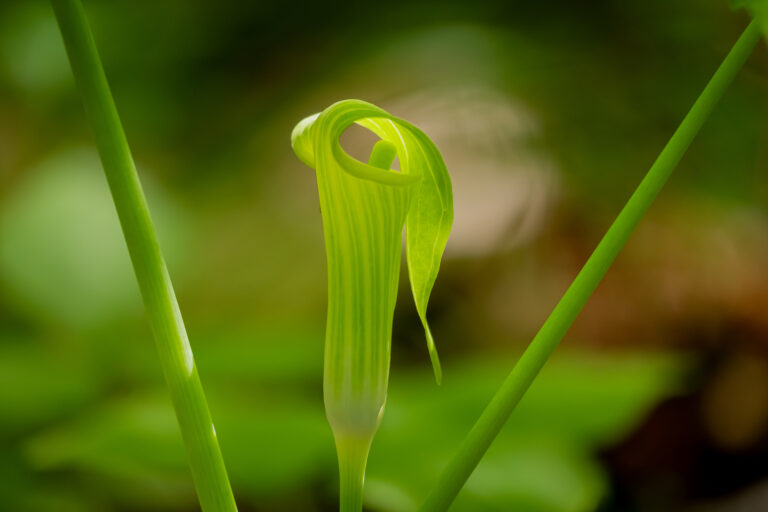
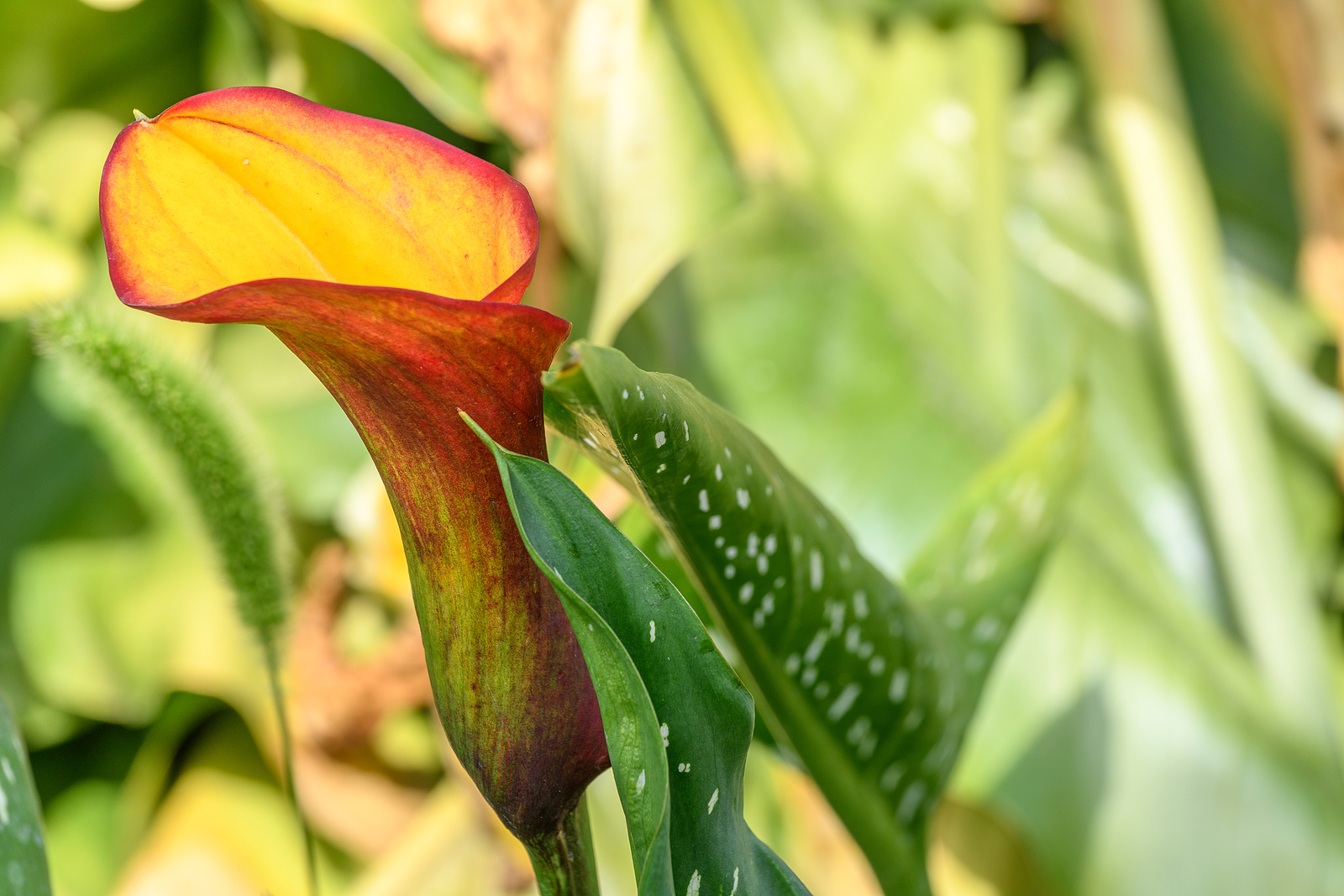
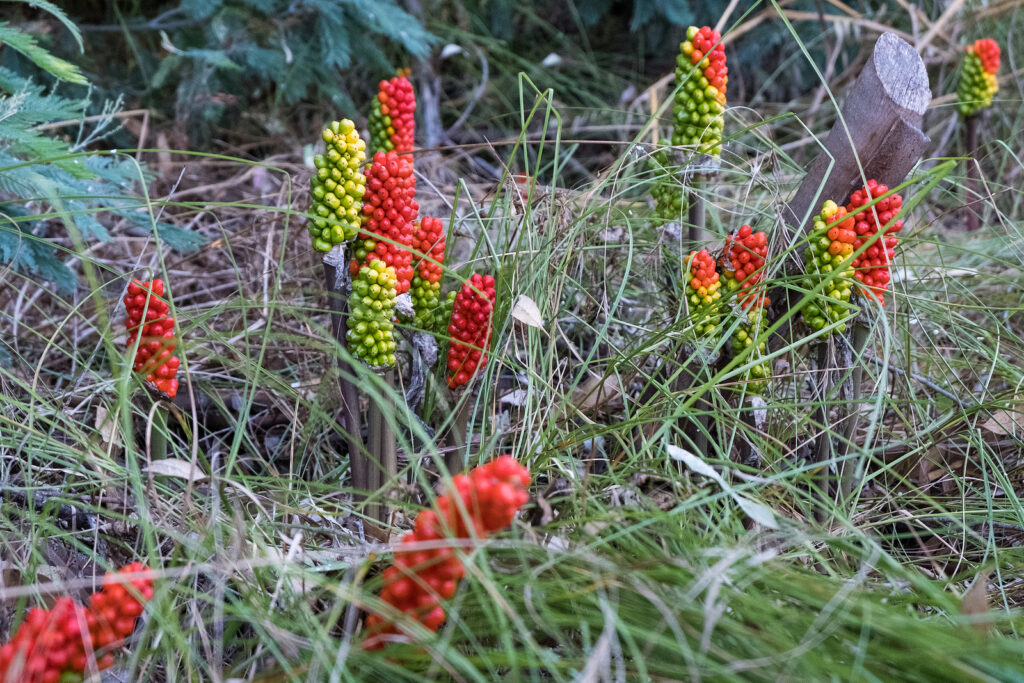
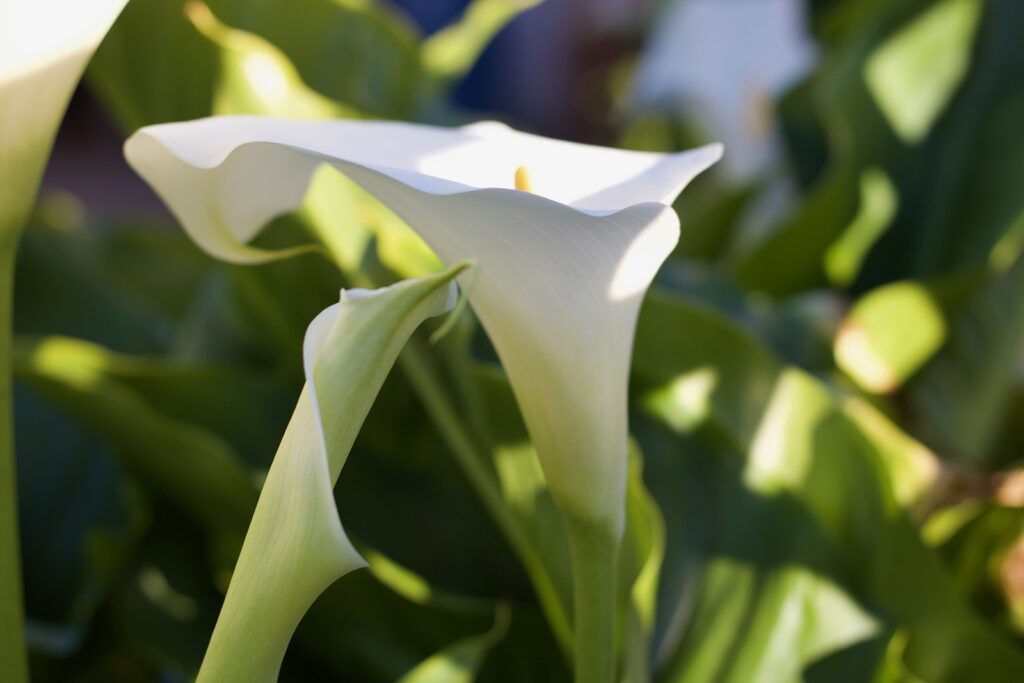
Arum –often called lords-and-ladies–is a tuberous, deciduous perennial which blooms in summer. The exotic-looking “flowers” resemble calla lilies (Zantedeschia). The inflorescence is actually many tiny flowers clustered on a central stalk called a spadix. The spadix is surrounded by a modified leaf called a spathe. Showy spikes of red or orange berries follow the flowers in late summer and autumn.
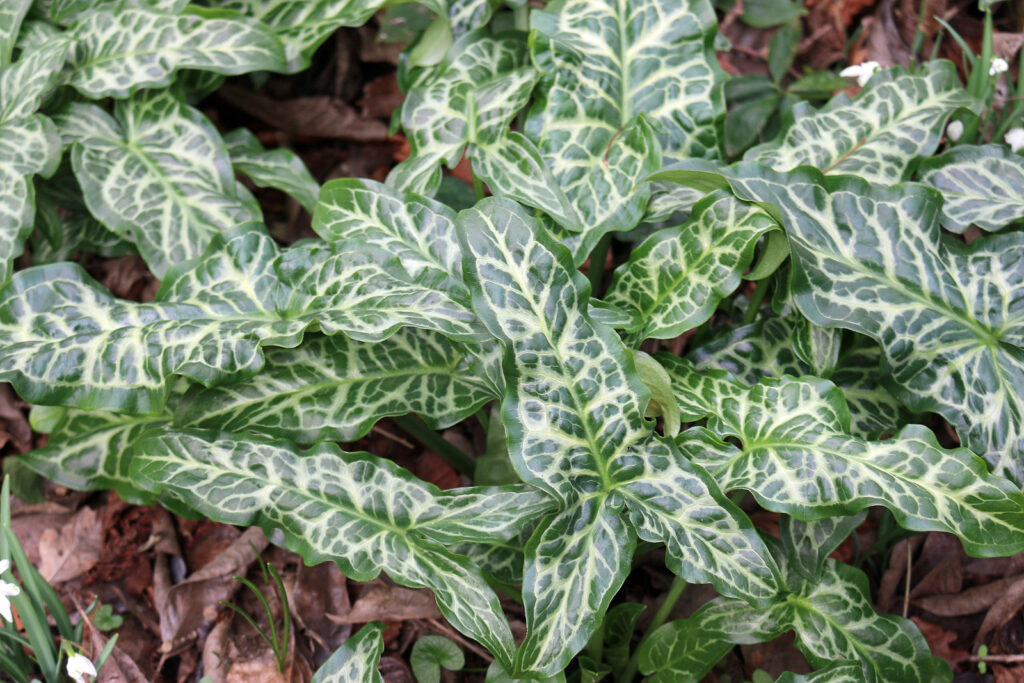
Arum bears spear, arrow, or heart-shaped leaves which are often marbled. In regions with mild winters, the leaves remain attractive until late spring.
The Arum genus includes about 26 species of mainly spring-flowering, tuberous perennials
All parts of Arum are poisonous if ingested and the sap can cause skin irritation.
Know What to Plant This Week
Every week I answer the gardener's most important question: what should I plant now? Get seasonal planting advice free — or go Pro for my full Soil Temperature Garden Report, with soil temperature, moisture, weather trends, and crop-by-crop recommendations.
Get to know Arum
- Plant type: Perennial with tuberous roots
- Growing zones and range: Zones 5 to 9 depending on the variety
- Hardiness: Plants are deciduous
- Height and width: 8 to 20 inches (20-50cm) tall and wide depending on the variety
- Foliage: Arrow-shaped or heart-shaped leaves
- Flowers: Callalike blossoms on short stalks; bract (spathe) half encloses thick, fleshy spike (spadix) which bears tiny flowers
- Bloom time: Spring
- Uses: Shady borders, woodland gardens
- Garden companions: Ferns
- Common name: Lords-and-ladies
- Botanical name: Arum
- Family name: Araceae
- Origin: Southern Europe, North Africa, West Asia
Where to plant Arum
- Grow Arum in full sun or partial shade.
- Plant Arum in humus-rich well-drained soil.
- A sheltered site is best to help protect foliage in winter.
- Where Arum is not hardy, grow them in pots and overwinter them in a cool spot.
When to plant Arum
- Plant arum seeds in the fall.
- Set out container-grown plants in spring or fall.
Planting and spacing Arum
- Set tubers with the tops 4 to 6 inches (10-15cm) below the soil surface. Roots develop from the tops of tubers.
- Mark the planting location to avoid digging into tubers when they are dormant.
How to water and feed Arum
- Give Arum regular water during active growth.
- Feed plants with an all-purpose organic fertilizer in spring. Apply a balanced fertilizer monthly during the growing season.
Arum care
- Mulch with compost in spring to keep the soil rich and to help retain moisture.
- In cold winter regions, cover plants with coarse mulch or evergreen boughs in late fall.
- Sap from Arum is an irritant if ingested.
Arum pests and diseases
- Arum has few pests or diseases.
Arum propagation
- Divide clumps of arum tubers in spring.
- Separate offests in spring or autumn.
- Sow seeds in spring.
Arum varieties to grow
- Arum italicum, Italian arum: Arrow-shaped leaves to 8 inches long; shite or greenish-white, sometimes purple-spotted, flowers in spring and early summer; dense clusters of bright red fruit follow.
- A. palestinum, black calla: arrow-shaped spathe to 8 inches long, greenish outside, blackish-purple inside; has a curved back that reveals blackish-purple spadix; often grown as a potted plant.
- A. pictum: light green, heart-shaped leaves; spathe is violet, green at base; spadix is purplish black.