How to Grow Alyogyne – Blue Hibiscus

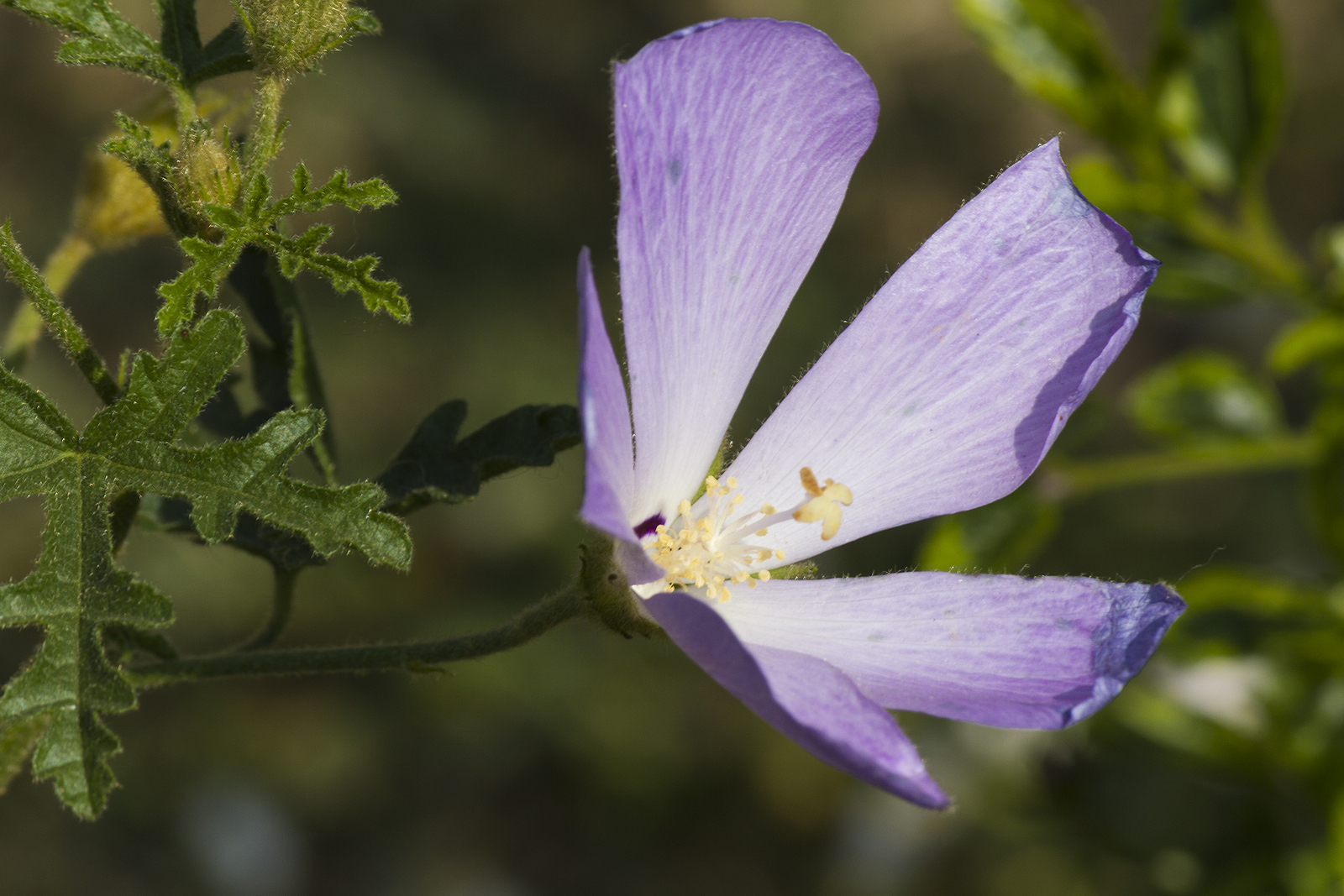
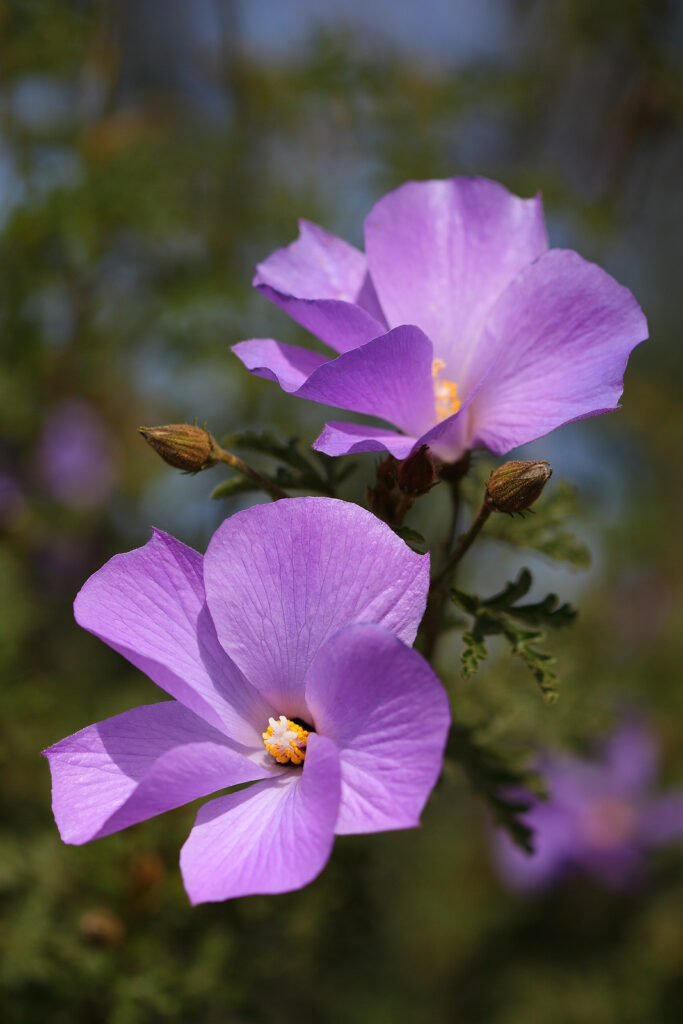
Alyogyne–commonly called blue hibiscus–is a fast-growing, upright, evergreen shrub grown for its large, trumpet-shaped, lilac-blue to deep purple flowers which grow to 4 inches (10cm) across.
Alyogyne has an open, loose habit; it makes a bright addition of a shrub border. Flowers have a satiny texture. Flowers stand out against the plant’s palmate, bright green leave; the leaves have 5 irregular toothed lobes.
Alyogyne is a tender plant; it can be grown outdoors in Zones 9 to 11. In colder regions, it can be grown as a houseplant.
Alyogyne is a genus of evergreen shrubs once included in the Hibiscus genus. Alyogyne are native to dry scrub in Australia.
Know What to Plant This Week
Every week I answer the gardener's most important question: what should I plant now? Get seasonal planting advice free — or go Pro for my full Soil Temperature Garden Report, with soil temperature, moisture, weather trends, and crop-by-crop recommendations.
Get to know Alyogyne
- Plant type: Evergreen shrub
- Growing zones and range: Zones 9-11
- Hardiness: Tender
- Height and width: 3 to 6 feet (1-2m) tall and wide
- Foliage: Palmate, hairy, bright green leaves to 3 inches long with 5 irregularely toothed lobes
- Flowers: Solitary, funnel-shaped, satiny, lilac, mauve, or purple flowers to 4 inches (10cm) across; flower last 3 to 4 days.
- Bloom time: Late spring to autumn; blooms on previous year’s growth
- Uses: Border, containers
- Common name: Blue hibiscus
- Botanical name: Alyogyne
- Family name: Malvaceae
- Origin: Australia
Where to plant Alyogyne
- Light outdoors: Plant Alyogyne in full sun.
- Light indoors: Grow in full light indoors.
- Soil outdoors: Plant in any well-drained soil.
- Light indoors: Grow Alyogyne in a pot soilless or soil-based potting mix.
When to plant Alyogyne
- Set container-grown Alyogyne outdoors in spring or autumn.
Planting and spacing Alyogyne
- Space Alyogyne 3 to 6 feet (1-2m) apart.
How to water and feed Alyogyne
- Water Alyogyne moderately during the growing season; water sparingly in winter.
- Fertilize Alyogyne with a balanced liquid fertilizer ever 3 weeks during the growing season.
Alyogyne care
- Top dress Aylgyne with aged compost in spring.
Alyogyne pests and diseases
- Aphids, whiteflies, and spider mite may attack Alyogyne.
Alyogyne propagation
- Sow seeds in spring in warm soil.
- Root semi-ripe cutting in late summer.
Alyogyne varieties to grow
- Alyogyne huegelii. Erect, fast-grwoing shrub, spreading with age; grows 3 to 6 feet (1-2m) tall and wide; palmate, hairy, bright green leaves to 3 inches long with toothed lobes; solitary, funnel-shape, satiny, lilac, mauve or purple flowers 4 inches across; blloms from late spring to autumn,