How to Grow Allamanda

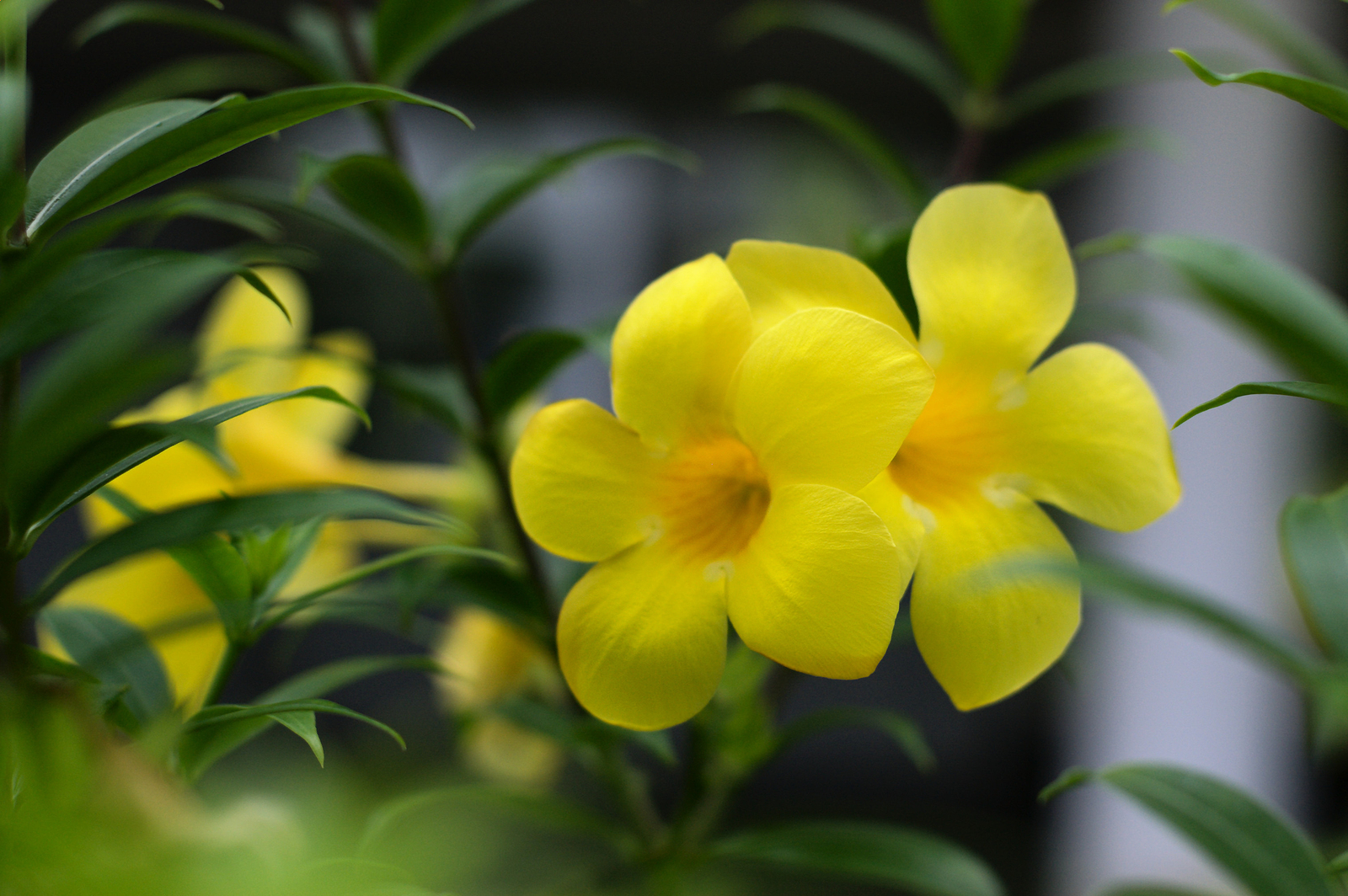
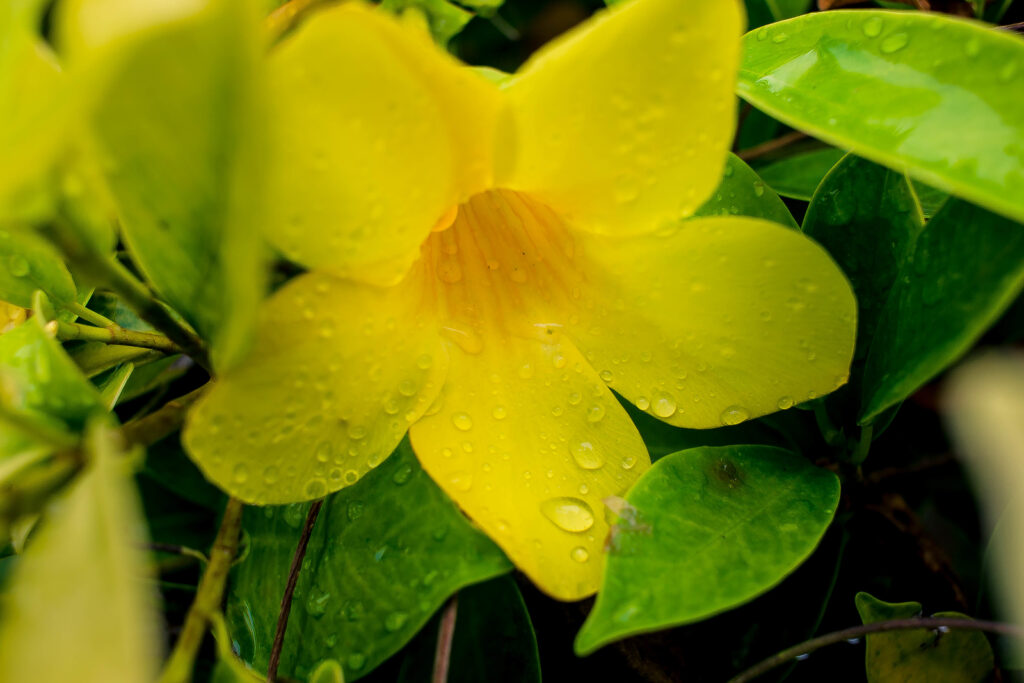
Allamanda is a tropical vining plant cultivated for its large, fragrant, funnel-shaped yellow or purple flowers. Allamanda is covered with large blossoms for much of the year.
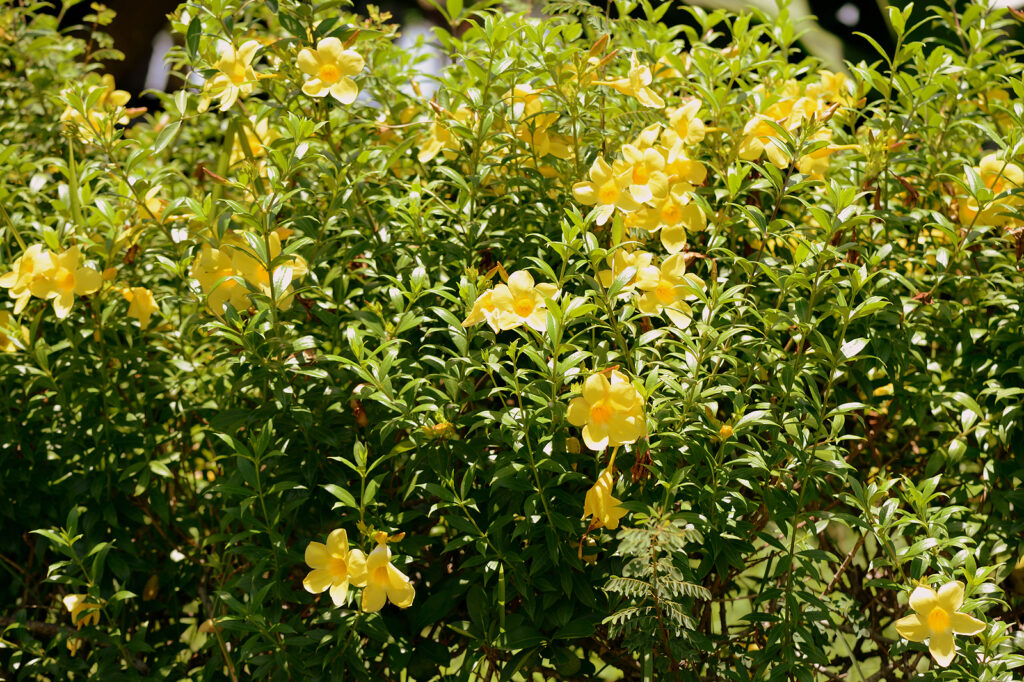
Allamanda’s bright color, fast growth, and low maintenance make it a popular vine. It tolerates hot, sunny locations. It is a good choice for covering walls, fences, arbors, or as a freestanding shrub.
Where winters dip to freezing temperatures, Allamanda is an excellent choice for containers where it can be brought indoors in winter or grown as an annual.
Allamanda is a genus of 12 species of evergreen shrubs and scandent climbers native to tropical North, Central and South America.
Know What to Plant This Week
Every week I answer the gardener's most important question: what should I plant now? Get seasonal planting advice free — or go Pro for my full Soil Temperature Garden Report, with soil temperature, moisture, weather trends, and crop-by-crop recommendations.
Get to know Allamanda
- Plant type: Tropical evergreen shrubs and climbers
- Growing zones and range: Zones 11-15
- Hardiness: Tender; grow in a greenhouse or indoors where temperatures tall to 45°F (7°C)
- Height and width: 6 to 25 feet (2-8m) tall and wide
- Foliage: Simple leaves
- Flowers: Showy, terminal cymes of large funnel or trumpet-shaped fragrant yellow or purple flowers
- Bloom time: Spring and summer
- Uses: In tropical regions grow on a wall or border; houseplant in temperate regions
- Common name: Golden trumpet
- Botanical name: Allamanda
- Family name: Apocynaceae
- Origin: Tropical North, Central, and South America
Where to plant Allamanda
- Light outdoors: Grow Allamanda in full sun outdoors.
- Soil outdoors: Grow Allamanda in moist, humus-rich soil outdoors.
When to plant Allamanda
- Set containerg-grown Allamanda outdoors any time of the year in subtropical and tropical regions.
Planting and spacing Allamanda
- Space Allamanda 6 feet (2m) or more apart.
How to water and feed Allamanda
- Water Allamanda freely during the growing season. Water sparingly in winter.
- Feed Allamanda with a balanced liquid fertilizer every 2 to 3 weeks.
Allamanda care
- Cut back palnts in early spring before new growth starts.
- Large plants can be trained to cover a wall; smaller plants can be given a small trellis or support on whciht to grow.
- Contact with sap may irritate the skin; all parts may cause mild stomach upset if ingested.
Growing Allamanda as a houseplant
- Grow Allamanda in a warm room with direct light and high humidity,
- Allow the growing medium to become dry between waterings in fall and winter; keep the medium evenly moist during spring and summer.
- Feed Allamanda every two wek swhen the plants are in growth or in flower.
Allamanda pests and diseases
- Allamanda can be damaged by spider mites, mealybugs, scale insects, and whiteflies.
- Allamanda can be attacked by fungal leaf spot.
Allamanda propagation
- Propagate Allamanda by seed in spring.
- Root greenwood cuttings in late spring or early summer.
Allamanda varieties to grow
- Allamanda blanchetii. Erect shrub with oblong leaves; produces cymes of tumpets-shaped purplish-pink flowers in summer.
- A. cathartica, golden trumpet. Grows 2 to 6 feet tall or more; whorled, waxy, dark green leaves; 5-inch bright green flowers. Cultivars include “Hendersonii’ has leathery leaves and large flowr, buds tinged in brown; ‘Nobilis’ bright, clear yellow flowers with swet fragrance; ‘Schottii’ flowers have dark stripe on throat; ‘Stansill’s Double’ double-flowered; ‘Williansii’ has yellowish flwoers with reddish brown throats.