Peas: How Pollination Works and Tips for Seed Saving

Peas are one of the easiest vegetables for gardeners who want to save seed. Their unique pollination process keeps varieties true-to-type, making them ideal for beginner and experienced seed savers alike. Drawing on decades of hands-on experience growing peas in raised beds and open garden rows, I’ll explain how pea pollination works and share proven tips for collecting and storing seeds for next season.
How Pea Pollination Works
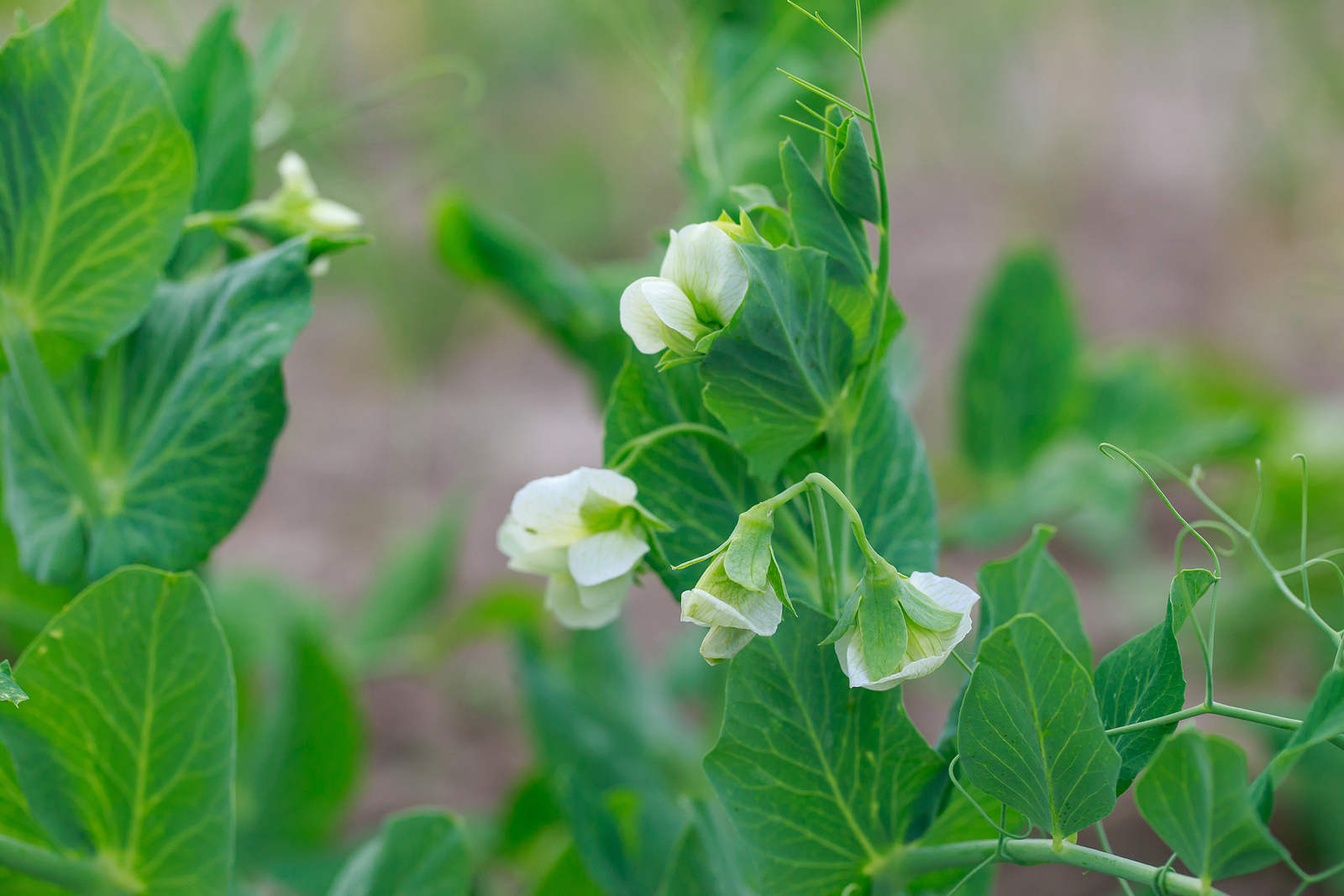
Peas are largely self-pollinating. Each flower contains both male (stamens) and female (pistil) parts. Pollination typically occurs before the flower even opens, a process called “cleistogamy.” Because fertilization happens inside the unopened flower, cross-pollination by insects is rare—less than 1% in most garden conditions. This natural self-pollination means saved seeds will almost always produce plants identical to the parent variety.
Tips for Successful Seed Saving
Choose the Right Plants
Select healthy, vigorous pea plants free from disease and off-types. I mark the best plants early in the season to save seeds from pods on those plants only.
Let Pods Fully Mature
Allow pods to remain on the plant until they are dry and brown. This ensures seeds inside have fully developed and hardened. In my garden, this usually happens several weeks after edible peas are ready to harvest.
Harvest and Dry
Pick pods on a dry day and remove the peas. Spread seeds in a single layer on a screen or tray in a cool, well-ventilated space. Allow them to dry for at least two weeks.
Test for Dryness
Seeds are ready for storage when they are hard enough to resist a fingernail dent. Properly dried peas prevent mold and store longer.
Store for Longevity
Place seeds in airtight jars or envelopes and store them in a cool, dark location. Properly dried and stored pea seeds can remain viable for up to three to five years.
My Experience
After years of saving pea seeds, I’ve consistently found that selecting the healthiest plants and ensuring thorough drying are the keys to strong, reliable germination in future plantings. With peas’ natural self-pollination, even first-time seed savers can confidently produce true-to-type seeds season after season.
Peas Growing Hub
Start here: The Ultimate Peas Growing Guide: From Seed to Harvest
Pea Basics & Types
- Different Types of Peas: Garden, Snap, and Snow Compared
- Round Peas vs. Wrinkled Peas: What’s the Difference?
- Best Pea Varieties to Grow for Flavor and Yield
- Garden Peas vs. Field Peas: Growing and Cooking Differences
- Snap Peas vs. Snow Peas: Which Should You Grow?
Planting & Site Prep
- When to Plant Peas by USDA Zone
- Peas Seed Starting Tips
- How to Plant Peas for a Fall Harvest
- Inoculating Pea Seeds: Why and How to Do It
- Planting Peas in Wide Rows or Blocks for Maximum Yield
- How to Plant Peas in Twin Furrows
- Bush Peas vs. Pole Peas: Which Is Best for Your Garden?
- Support Systems for Peas: Stakes, Trellises, and Netting Explained
- How to Grow Peas in Containers
- The Best Companion Plants for Peas
Care & Maintenance
- How to Water Peas for Steady Growth
- Fertilizing Peas Naturally: Boosting Growth Without Overfeeding
- Caring for Pea Vines Throughout the Growing Season
Pollination, Pests & Diseases
- How Pea Pollination Works and Tips for Seed Saving
- Common Pea Pests and Disease and Their Natural Control
- How to Protect Peas from Birds
Harvest & Beyond