Fertilizing Peas Naturally: Boosting Growth Without Overfeeding

Peas are a nutrient-efficient crop, thanks to their ability to fix nitrogen in the soil. However, proper fertilization can still boost growth, improve pod development, and maximize yields. Drawing on decades of gardening experience, I’ve developed a natural approach to feeding peas without overfertilizing.
Why Fertilize Peas?
While peas create their own nitrogen through root nodules, they still benefit from:
- Balanced Nutrients: Phosphorus and potassium support root development, flowering, and pod formation.
- Soil Health: Organic fertilizers improve structure and encourage beneficial microbes.
Natural Fertilizer Options
- Compost: Rich in organic matter, compost feeds plants slowly and improves soil texture.
- Aged Manure: Apply well-rotted manure before planting to provide balanced nutrients.
- Bone Meal or Rock Phosphate: Supplies phosphorus to strengthen roots and encourage blooms.
- Seaweed or Compost Tea: Foliar sprays provide trace minerals and stimulate growth without excess nitrogen.
Fertilization Tips
- Avoid High Nitrogen Fertilizers: Too much nitrogen encourages leafy growth at the expense of flowers and pods.
- Side-Dress Sparingly: Add small amounts of organic fertilizer mid-season if growth slows or flowering is weak.
- Observe Your Plants: Healthy green foliage and strong vines indicate adequate nutrition.
My Experience and Recommendations
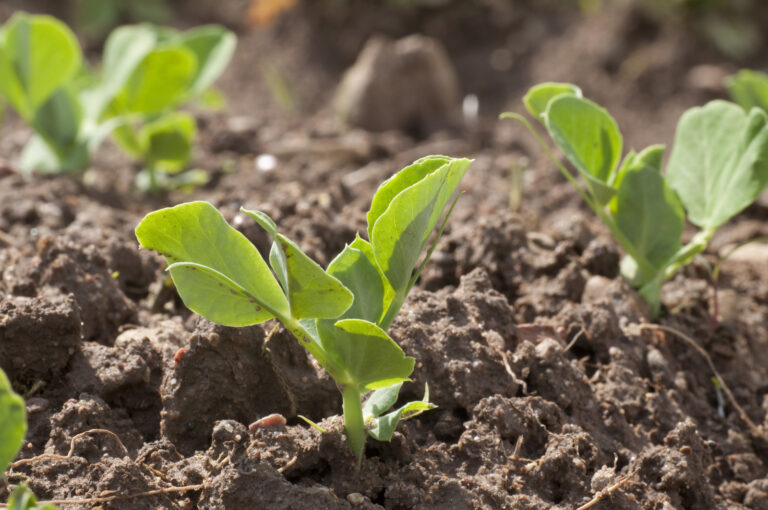
In my Sonoma Valley garden, I top-dress peas with compost when seedlings reach a few inches tall. I’ve found that occasional compost tea sprays during flowering boosts pod set and overall yield without causing excessive leafy growth.
Fertilizing peas naturally ensures healthier plants, stronger roots, and a more abundant harvest—all while maintaining soil health and avoiding overfeeding.
Peas Growing Hub
Start here: The Ultimate Peas Growing Guide: From Seed to Harvest
Pea Basics & Types
- Different Types of Peas: Garden, Snap, and Snow Compared
- Round Peas vs. Wrinkled Peas: What’s the Difference?
- Best Pea Varieties to Grow for Flavor and Yield
- Garden Peas vs. Field Peas: Growing and Cooking Differences
- Snap Peas vs. Snow Peas: Which Should You Grow?
Planting & Site Prep
- When to Plant Peas by USDA Zone
- Peas Seed Starting Tips
- How to Plant Peas for a Fall Harvest
- Inoculating Pea Seeds: Why and How to Do It
- Planting Peas in Wide Rows or Blocks for Maximum Yield
- How to Plant Peas in Twin Furrows
- Bush Peas vs. Pole Peas: Which Is Best for Your Garden?
- Support Systems for Peas: Stakes, Trellises, and Netting Explained
- How to Grow Peas in Containers
- The Best Companion Plants for Peas
Care & Maintenance
- How to Water Peas for Steady Growth
- Fertilizing Peas Naturally: Boosting Growth Without Overfeeding
- Caring for Pea Vines Throughout the Growing Season
Pollination, Pests & Diseases
- How Pea Pollination Works and Tips for Seed Saving
- Common Pea Pests and Disease and Their Natural Control
- How to Protect Peas from Birds
Harvest & Beyond