Companion Planting with Peppers: Best & Worst Neighbors in the Garden

Peppers are versatile, flavorful, and rewarding to grow—but they don’t thrive in isolation. Just like people, plants have friends and foes. By practicing companion planting, you can boost your pepper harvests, reduce pests, and create a more resilient garden ecosystem.
In this guide, I’ll share the best and worst companions for peppers, based on research, horticultural knowledge, and real-world gardening experience.
Why Companion Planting Matters for Peppers
Companion planting works by creating a mini-ecosystem where plants support one another. Benefits include:
- 🌱 Better growth: Some plants improve soil nutrients or provide shade.
- 🐞 Pest control: Certain companions repel harmful insects naturally.
- 🌸 Pollinator attraction: Flowers and herbs bring bees and beneficial insects to the garden.
- 🌿 Space efficiency: Different root depths and growth habits allow more plants in less space.
✅ Best Companions for Peppers
1. Basil
- Repels aphids, thrips, and spider mites.
- Improves pepper flavor (anecdotal but widely reported by gardeners).
2. Onions, Garlic, & Chives
- Strong scents deter pests like aphids and beetles.
- Compact growth makes them easy border plants.
3. Carrots
- Break up the soil, improving aeration for pepper roots.
- Use vertical space efficiently without competing heavily.
4. Spinach & Lettuce
- Act as living mulch, shading soil to conserve moisture.
- Grow quickly and won’t crowd peppers.
5. Marigolds
- Famous for repelling nematodes and whiteflies.
- Bright flowers attract pollinators.
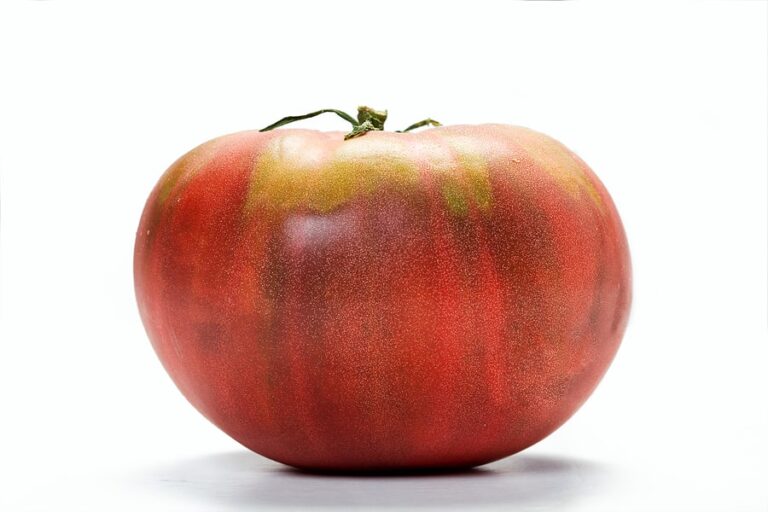
6. Tomatoes (with caution)
- Similar growing needs; both love warmth and rich soil.
- Keep spacing wide to avoid disease spread (rotate annually).
❌ Worst Companions for Peppers
1. Fennel
- Releases compounds that inhibit pepper growth.
- Attracts pests that can damage nearby vegetables.
2. Kale, Cabbage, Broccoli (Brassicas)
- Compete heavily for nutrients.
- Can attract aphids and flea beetles that spread to peppers.
3. Beans & Peas
- While nitrogen-fixing, they may over-enrich soil, leading to leafy growth but fewer peppers.
- Pole beans can shade peppers too much.
4. Walnut Trees (and other allelopathic trees)
- Roots release juglone, a compound toxic to peppers.
Practical Planting Tips
- Plant basil and marigolds around pepper beds as natural defenders.
- Use onion family crops in between pepper rows.
- Keep fennel and brassicas in a separate part of the garden.
- Rotate crops each year to prevent soil-borne diseases.
Experience-Based Insight
In my own garden, I’ve consistently noticed that peppers grown near basil and marigolds not only suffer fewer pest problems but also seem more vigorous. However, the year I interplanted peppers with kale, I struggled with flea beetles that spread quickly. Careful planning really does make a difference.
Final Thoughts
Companion planting with peppers is a simple, natural way to improve yields, protect against pests, and create a healthier garden. Choose allies like basil, onions, and marigolds, while avoiding problematic neighbors such as fennel and brassicas. With the right companions, your peppers will thrive.
🌶 Peppers Growing Hub
Start here:
- How to Plant and Grow Hot Peppers: A Gardener’s Guide to Spicy Success
- How to Grow Sweet Peppers: A Gardener’s Guide to a Bountiful Harvest
Getting Peppers Started (general prep)
- Seed Starting Peppers: Proven Method for Strong, Healthy Plants
- Soil Preparation for Peppers: The Secret to Strong Roots and Big Harvests
- Best Hot Pepper Varieties to Grow for Salsas, Sauces, and Drying
- Best Sweet Pepper Varieties to Grow
- World’s Hottest Peppers You Can Grow in Your Garden
- The Science of Pepper Heat: Understanding Scoville Units
- Growing Peppers Indoors Under Lights
- Companion Planting with Peppers: Best and Worst Neighbors in the Garden
Planting & Growing Peppers
- When and How to Transplant Pepper Seedlings Outdoors
- 10 Steps to Grow a Bumper Pepper Crops
- How to Grow Hot Peppers in Containers: Tips for Small Spaces
- 7 Tips for Growing Peppers in Pots
- How to Grow Colored Bell Peppers: How to Get Reds, Yellows, and Oranges
- Cross-Breeding Hot Peppers at Home: A Beginner’s Guide
- How to Water & Fertilize Sweet Bell Peppers for Maximum Yield
- Pruning Pepper Plants for Healthier Growth and Bigger Harvests
- Six Tips to Grow Peppers for Flavor
- Pepper Season Extension & Overwintering: How to Keep Plants Producing Longer
Pepper Care & Troubleshooting
- Pepper Pests, Diseases, and Problems—How to Fix Them Naturally
- Caring for Peppers: Mid-Season Problem Cures
- How to Increase the Heat of Hot Peppers Naturally
- Overwintering Pepper Plants Indoors
- How to Overwinter Pepper Plants in Any USDA Zone
Harvesting & Preserving Peppers
- When to Harvest Hot Peppers for Maximum Heat
- How to Harvest Sweet Peppers for the Best Flavor
- How to Preserve Hot Peppers: Drying, Fermenting & Pickling
- How to Ripen Green Peppers Indoors
- Saving Pepper Seeds for Next Year’s Crop
Cooking & Using Peppers
- Preparing and Serving Sweet Peppers – Harvest to Table
- Five Ways to Cook and Serve Chili Peppers
- Stuffed Peppers: Best Varieties for Cooking
- Cooking with Hot Peppers: Flavor & Safety Tips
- How to Handle Hot Peppers Without Burning Your Skin