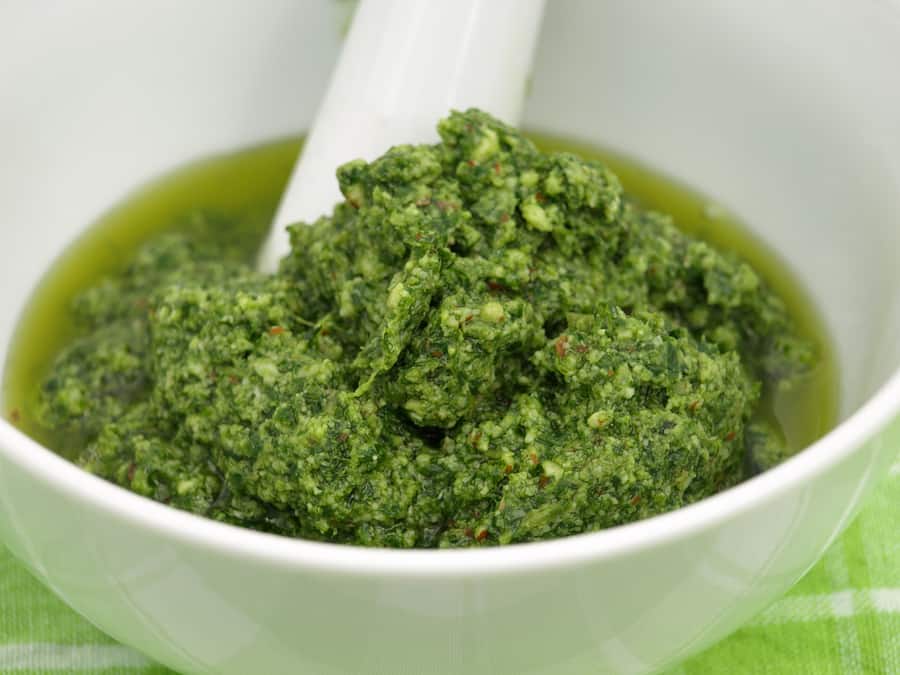
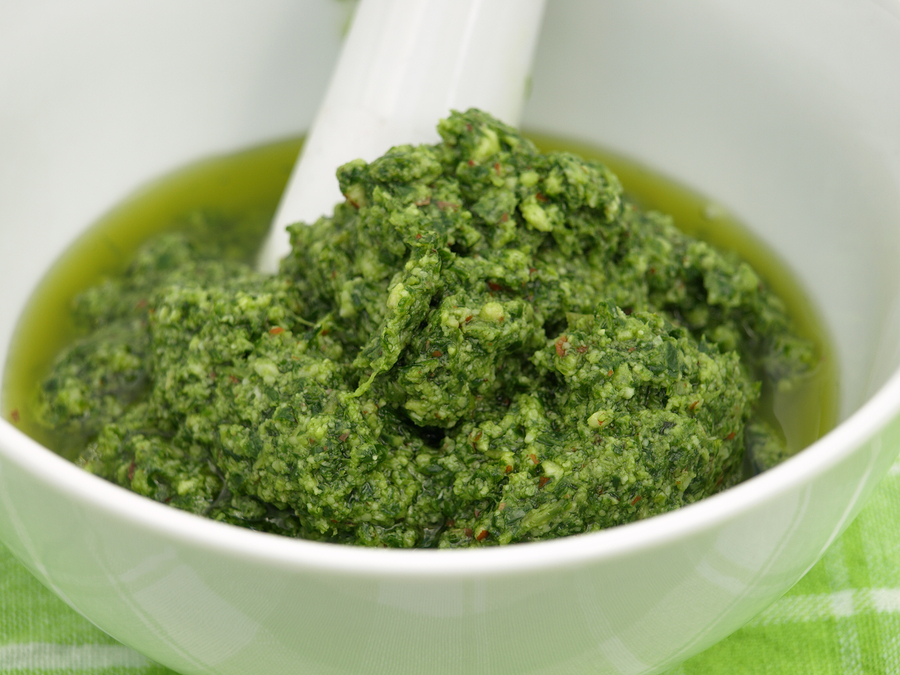
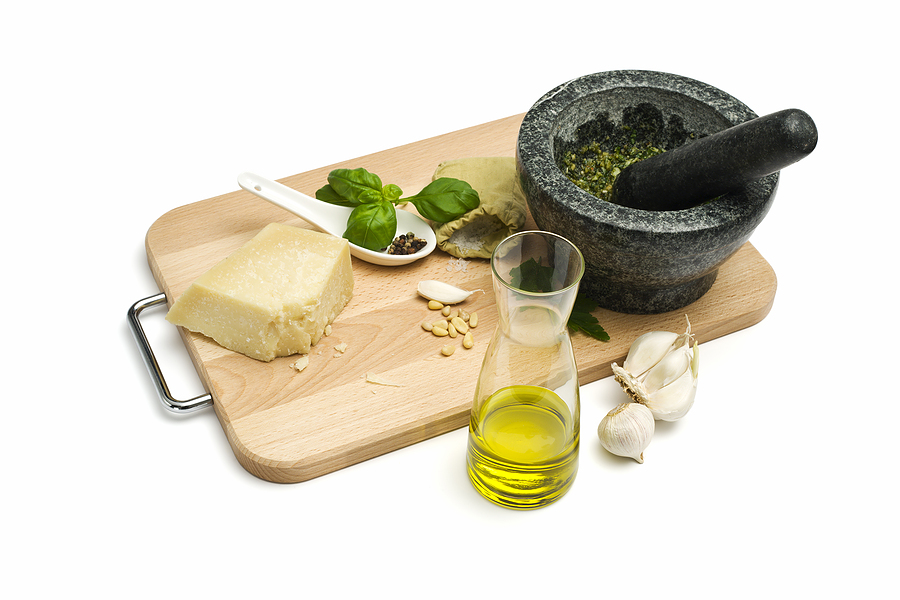
Classic pesto is made with fresh basil, Parmesan cheese, walnuts, olive oil, lemon, garlic, and salt.
Pesto is the traditional pasta sauce. Pesto is also a flavorful addition to grilled vegetables, grilled chicken, salads, sliced tomatoes, pizza, bean and vegetable soup, and as a vegetable dip.
Pesto—which is essentially a pureed herbal mixture—can also be made with cilantro or tarragon.
For a less oily pesto, substitute orange juice for the olive oil.
Know What to Plant This Week
Every week I answer the gardener's most important question: what should I plant now? Get seasonal planting advice free — or go Pro for my full Soil Temperature Garden Report, with soil temperature, moisture, weather trends, and crop-by-crop recommendations.
⅓ cup grated Parmesan cheese or shredded romano cheese
3 tablespoons walnuts or pine nuts lightly roasted
½ teaspoon salt
5 tablespoons, extra-virgin olive oil
A squeeze or two of lemon juice
Directions to Make Classic Basil Pesto
Peel and slice the garlic and put it in a large mortar. (The garlic should flavor the pesto not overwhelm the basil.) Add a pinch of salt and nuts and pound the mixture to paste.
Add the basil leaves to the garlic and nuts and continue pounding and grinding the leaves until the mixture is smooth.
Add the cheese and continue pounding as you gradually add the oil. Add more oil or less oil depending on the thickness desired. Alternatively, you can whirl all ingredients in a blender until smooth.
Stephen Albert is a horticulturist, master gardener, and certified nurseryman who has taught at the University of California for more than 25 years. He holds graduate degrees from the University of California and the University of Iowa. His books include Vegetable Garden Grower’s Guide, Vegetable Garden Almanac & Planner, Tomato Grower’s Answer Book, and Kitchen Garden Grower’s Guide. His Vegetable Garden Grower’s Masterclass is available online. Harvesttotable.com has more than 10 million visitors each year.
Chilies or hot peppers can be eaten raw or they can be roasted, grilled, pan-seared, toasted, or stuffed. Chilies can also be added to other cooked dishes; they contain natural chemicals that enhance the flavor of other foods during cooking. Often small, hot chilies—such as the jalapeño, Serrano, poblano, Anaheim, and banana–are used fresh. But…
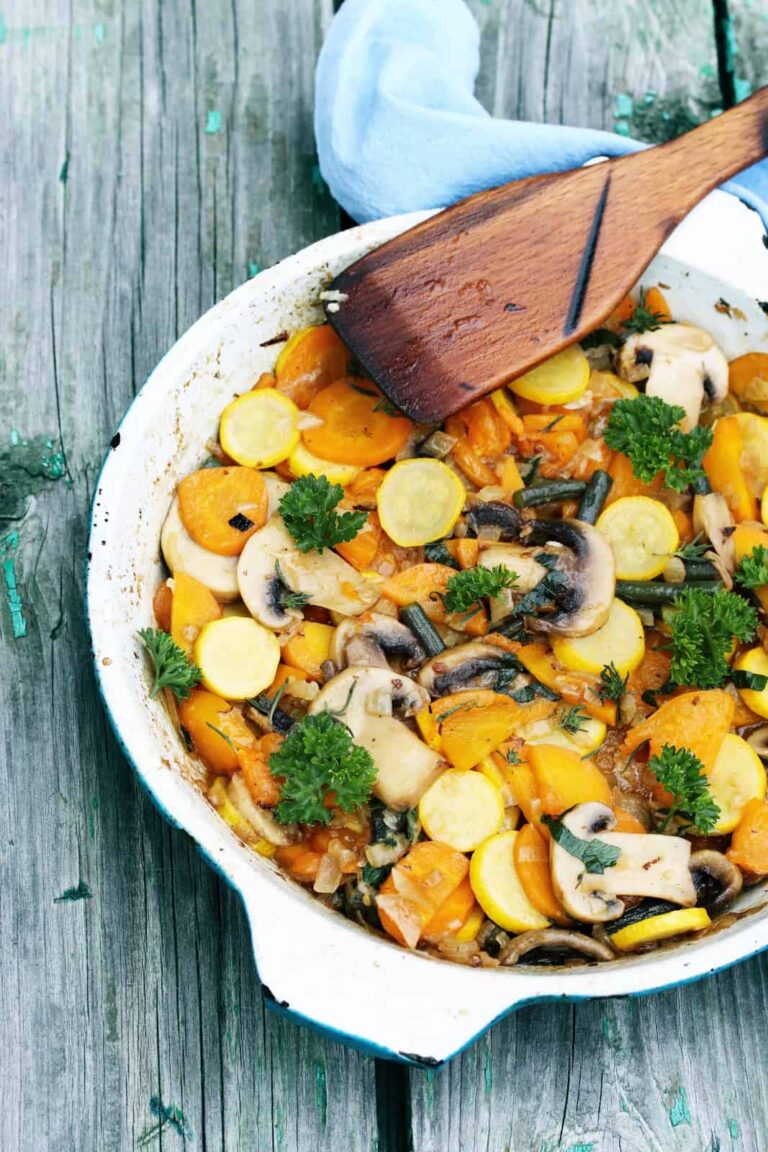
Here is an easy to make vegetable stew that you can cook up any time of the year. The combination of vegetables in this stew can vary with the season and harvest. Choose two or three vegetables from the longer-cooking list and two or three from the shorter cooking list. If you want to add…
White bean soup is hearty and well suited for cold weather. Basic bean soup is easy to make; follow one simple rule for best flavor: keep the heat low; bean soups burn easily. Variations on bean soup are many: you can add leftovers, fresh vegetables such as greens sliced thin or chopped, pasta, cooked vegetables—carrots,…
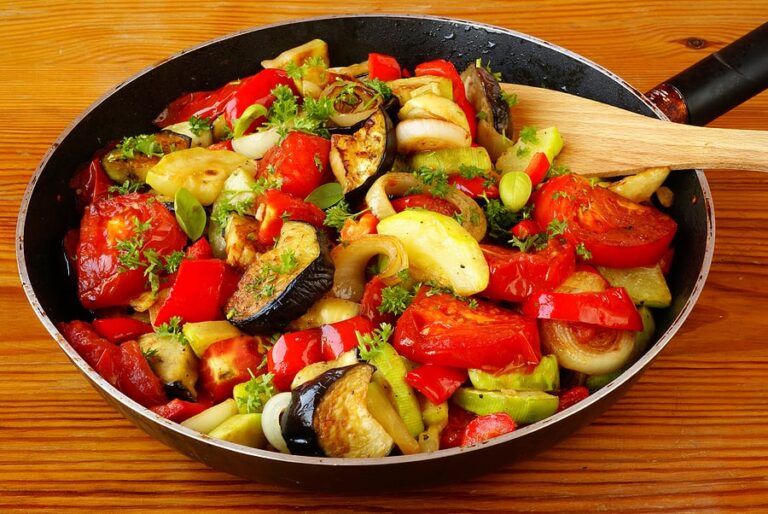
Eggplant? Did you say ratatouille? All of the key ingredients for ratatouille are available fresh and local in mid summer tomatoes, onions, zucchini, bell peppers and, of course, eggplant. When you think of eggplant, you think first of the oval, black-skinned cultivar known as ‘Black Beauty.’ That is the classic eggplant with its rich, complex…
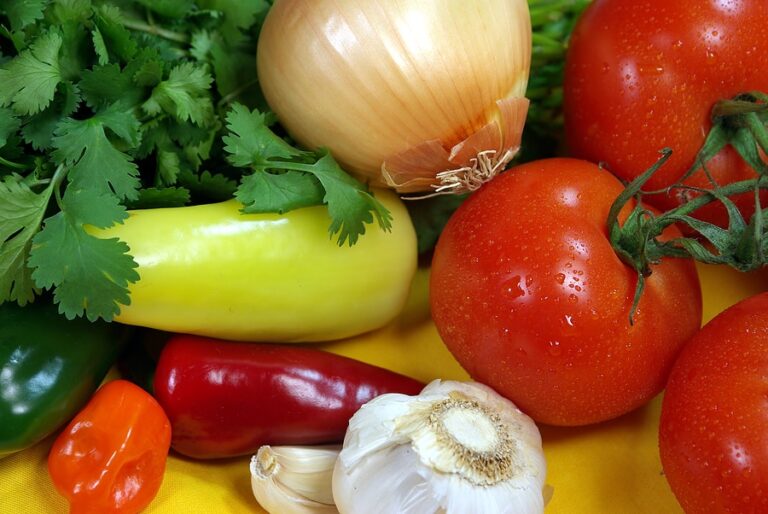
Salsa is a delicious and versatile condiment, dip that can be enjoyed with a wide variety of foods. Although it’s most commonly paired with chips, salsa can also be used as a topping for tacos, eggs, grilled meats, or salads. If you’re a fan of this tasty dip, why not try growing your salsa ingredients?…
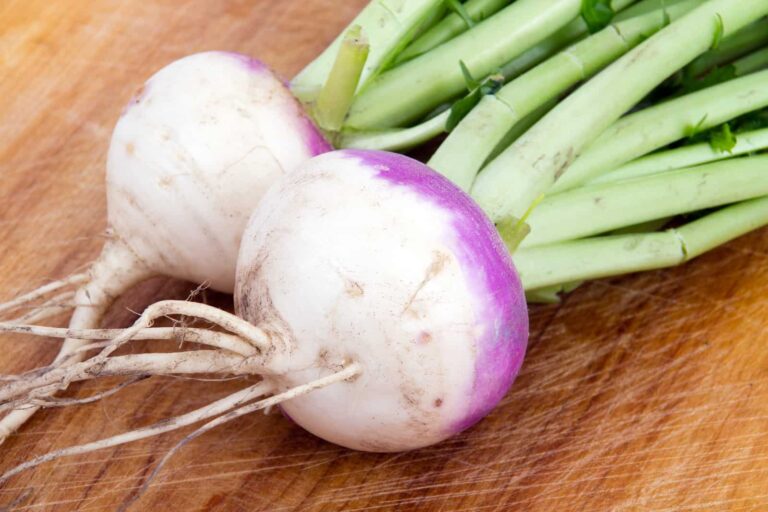
Turnips can be boiled, steamed, and stir-fried. Cook turnips until they are just tender-crunchy–less than seven minutes or so for a young turnip. The flavor will be mildly sweet and crisp. Turnips can be cooked in several ways. Roast turnips, braise turnips in butter, make turnip and potato purée, glaze turnips, or make a turnip…
Gardening Tips in your Inbox!
Subscribe today to get our weekly recipe newsletter! You don’t want to miss out!