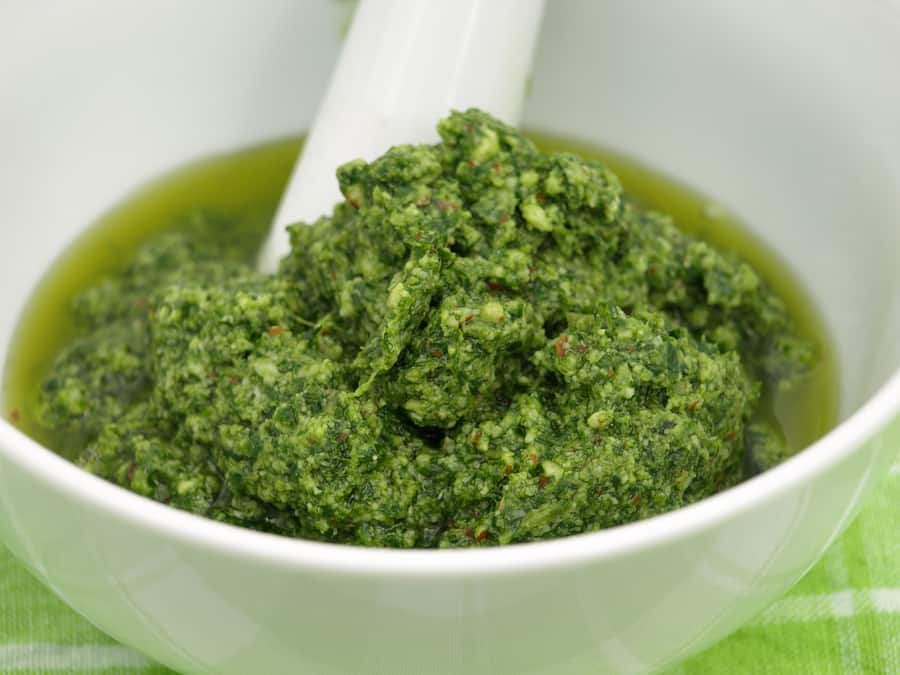
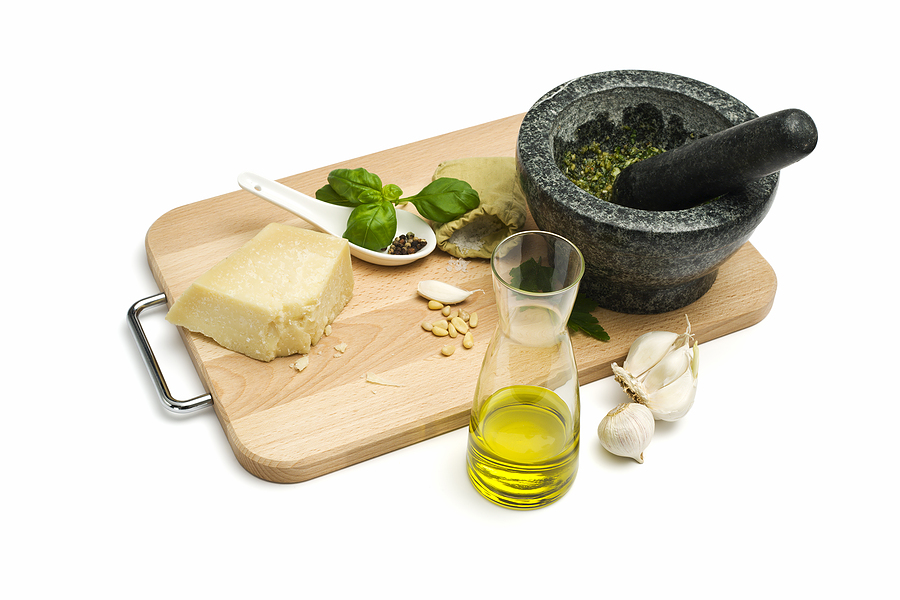
Classic pesto is made with fresh basil, Parmesan cheese, walnuts, olive oil, lemon, garlic, and salt.
Pesto is the traditional pasta sauce. Pesto is also a flavorful addition to grilled vegetables, grilled chicken, salads, sliced tomatoes, pizza, bean and vegetable soup, and as a vegetable dip.
Pesto—which is essentially a pureed herbal mixture—can also be made with cilantro or tarragon.
For a less oily pesto, substitute orange juice for the olive oil.
Know What to Plant This Week
Every week I answer the gardener's most important question: what should I plant now? Get seasonal planting advice free — or go Pro for my full Soil Temperature Garden Report, with soil temperature, moisture, weather trends, and crop-by-crop recommendations.
⅓ cup grated Parmesan cheese or shredded romano cheese
3 tablespoons walnuts or pine nuts lightly roasted
½ teaspoon salt
5 tablespoons, extra-virgin olive oil
A squeeze or two of lemon juice
Directions to Make Classic Basil Pesto
Peel and slice the garlic and put it in a large mortar. (The garlic should flavor the pesto not overwhelm the basil.) Add a pinch of salt and nuts and pound the mixture to paste.
Add the basil leaves to the garlic and nuts and continue pounding and grinding the leaves until the mixture is smooth.
Add the cheese and continue pounding as you gradually add the oil. Add more oil or less oil depending on the thickness desired. Alternatively, you can whirl all ingredients in a blender until smooth.
Stephen Albert is a horticulturist, master gardener, and certified nurseryman who has taught at the University of California for more than 25 years. He holds graduate degrees from the University of California and the University of Iowa. His books include Vegetable Garden Grower’s Guide, Vegetable Garden Almanac & Planner, Tomato Grower’s Answer Book, and Kitchen Garden Grower’s Guide. His Vegetable Garden Grower’s Masterclass is available online. Harvesttotable.com has more than 10 million visitors each year.
Cook kohlrabi or eat it raw. Kohlrabi is crunchy like radish and tastes like a mild, sweet turnip with a bit of radish tang. Young kohlrabi is juicy and crisp and delicate. The peak kohlrabi harvest season is mid-spring to mid-fall. In mild-winter regions, kohlrabi and can be grown and harvested through the winter. Favorite…
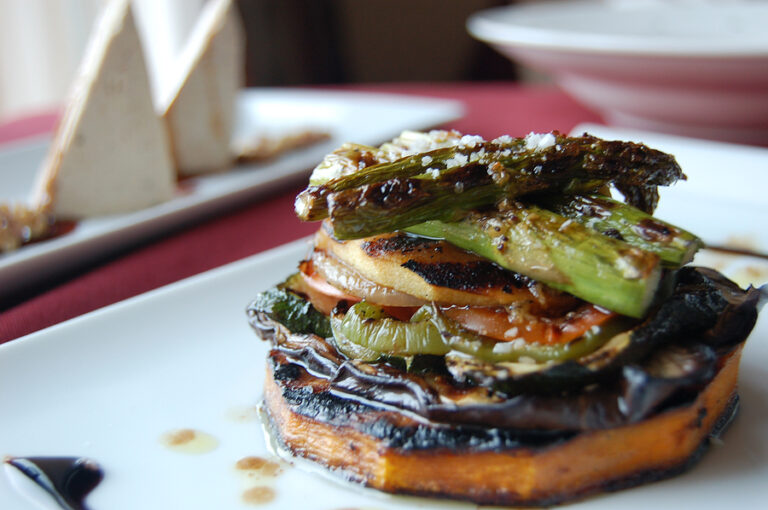
Eggplant can be broiled, grilled, sautéed, steamed, pan-fried, or stuffed and baked. You can make ratatouille or eggplant parmesan. The mild flavor and light, spongy texture of the eggplant make it a good match for other vegetables, browned and chopped meat, cooked fish, or shellfish. Favorite eggplant recipe Eggplant Ratatouille The subtle flavor and meaty…
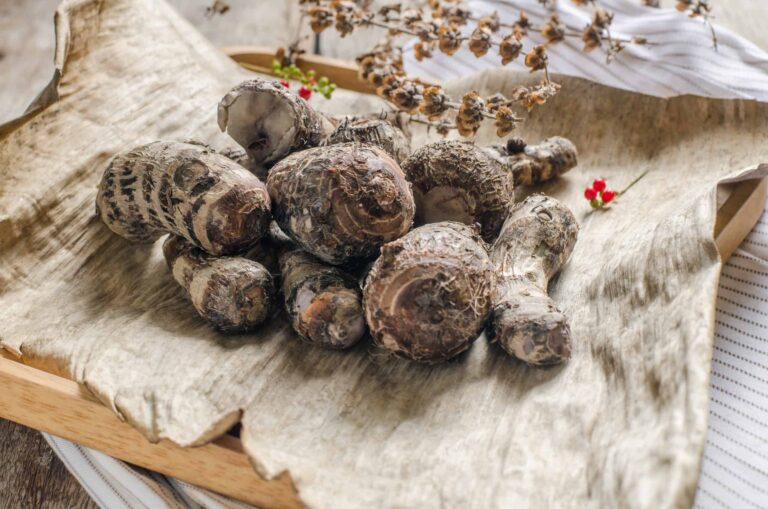
Taro, also called dasheen, eddo, or cocoyam, is always eaten cooked. Taro can be steamed, boiled, fried, stir-fried, baked, and braised. It is often added to stews and soups where it absorbs fatty juices and serves as a nutty thickener. Taro is a starchy root vegetable that has a sweet, nutty flavor—a flavor and texture that…
The sunchoke can be eaten raw or cooked. It has a crunchy, delicate, sweet, nutty flavor. The taste is reminiscent of jicama, water chestnuts, or artichokes. Sunchoke is the root of a perennial sunflower. The sunchoke also is called Jerusalem artichoke but it is not related to the artichoke. It is tastiest if harvested just…
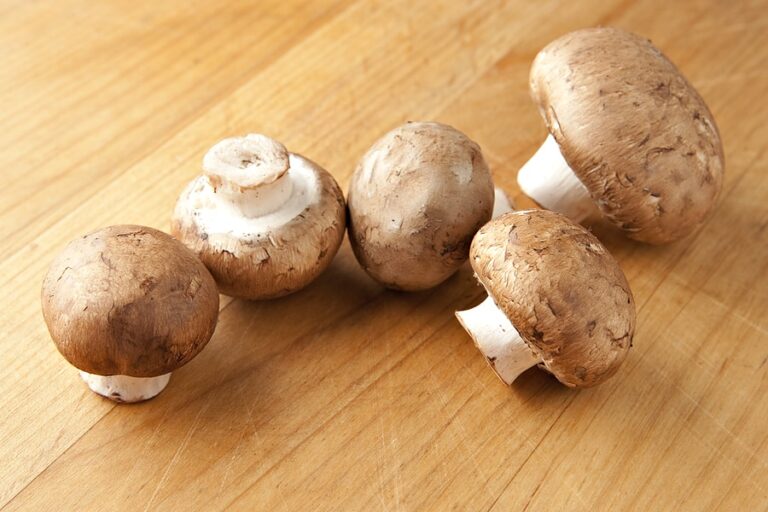
Cremini mushrooms have a rich, nutty flavor. They are dense and meaty. When cremini mushrooms are fully mature they are called portobellos. Cremini mushrooms should not be confused with all-white button mushrooms. The cremini has a brownish cast and twice the flavor of a cultivated white mushroom. The peak season for mushrooms harvested in the wild…
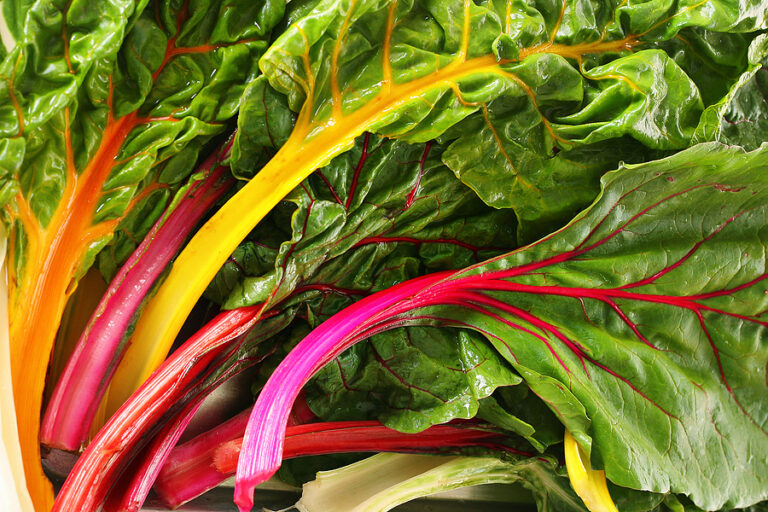
Swiss chard can be served raw or cooked. Swiss chard leaves have a hearty, yet mild spinach flavor. Swiss chard stalks have a delicate, celery-like taste and crunch. Serve chard greens raw alone or in a mixed green salad. You can also cook chard greens just like spinach. Favorite Swiss chard recipes Chard Soup Made…
Gardening Tips in your Inbox!
Subscribe today to get our weekly recipe newsletter! You don’t want to miss out!