How Heat Affects Corn Pollination: Why Ears Develop Missing Kernels in Hot Weather

Corn is one of the great pleasures of the summer vegetable garden. Few things compare to picking an ear at its peak and enjoying its sweet, crisp kernels just minutes after harvest.
But corn has one weakness that surprises many gardeners: its pollination process is extremely sensitive to hot weather.
A heat wave that arrives while corn is tasseling and silking can result in ears with missing kernels, uneven filling, or poor development. The plants may look perfectly healthy, yet the harvest is disappointing because pollination failed during just a few critical days.
I’ve grown sweet corn in California, Iowa, and Massachusetts, where summer weather can change quickly. One lesson I’ve learned is that healthy corn plants don’t always produce full ears. Successful harvests depend on successful pollination, and heat can interfere with that process in several ways.
Fortunately, understanding how corn pollinates makes it much easier to protect your crop during hot weather.
How Corn Pollination Works
Unlike many garden vegetables, corn relies on wind rather than insects for pollination.
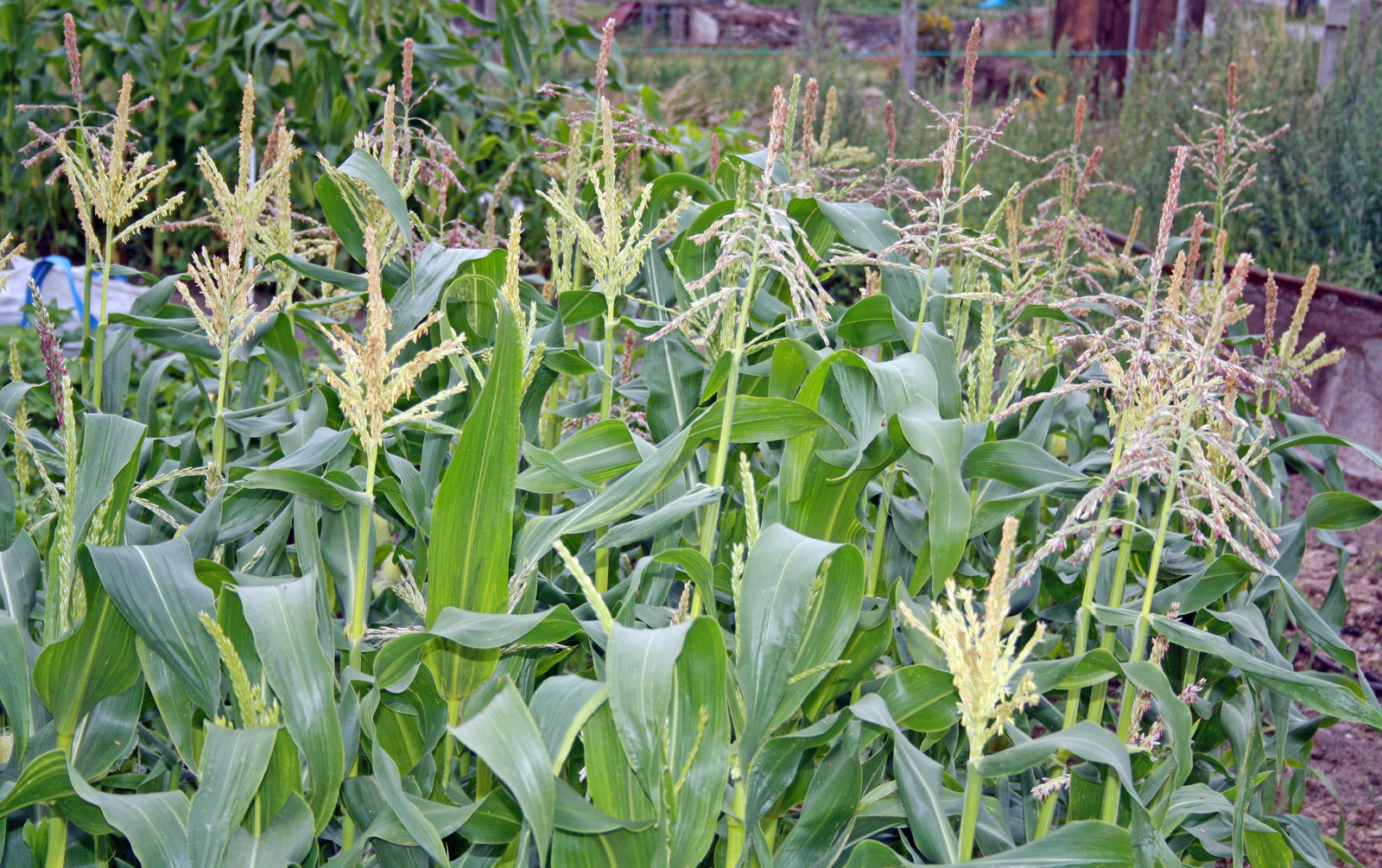
Each plant produces:
- A tassel at the top that releases pollen.
- An ear along the stalk covered with hundreds of silks.
Every silk connects to a single developing kernel.
For a fully filled ear, every silk must receive pollen.
If even part of the pollination process fails, blank spaces appear where kernels never develop.
The Ideal Temperature for Pollination
Sweet corn grows well in warm weather.
Ideal conditions include:
- Daytime temperatures: 75°F to 86°F (24°C to 30°C)
- Nighttime temperatures: 60°F to 70°F (16°C to 21°C)
During these conditions:
- Tassels release abundant pollen.
- Silks remain fresh and receptive.
- Pollination occurs over several days.
- Kernels fill evenly.
Problems begin when temperatures climb into the mid-90s during tasseling.
What Happens Above 95°F?
High temperatures reduce the effectiveness of pollination in several ways.
Pollen dries out more quickly.
Silks may dry before pollen reaches them.
Hot, dry winds can shorten the period during which silks remain receptive.
The result is incomplete fertilization.
You may not notice the problem until harvest.
Warm Nights Add More Stress
Nighttime temperatures matter just as much as daytime highs.
When nights remain above 75°F, corn plants continue respiring at a high rate instead of recovering from the day’s heat.
Warm nights reduce the energy available for:
- Kernel development
- Ear filling
- Plant growth
Several consecutive warm nights during pollination can noticeably reduce yields.
Missing Kernels Usually Mean Poor Pollination
One of the clearest signs of heat stress appears at harvest.
An ear may have:
- Blank rows
- Missing kernels near the tip
- Scattered empty spaces
- Poorly filled ears
These gaps are not caused by disease.
They usually indicate that some silks never received viable pollen.
Even a single day of extreme heat during pollination can leave permanent gaps.
Dry Soil Makes Heat Problems Worse
Corn requires large amounts of water during tasseling and ear development.
Water stress combined with heat greatly reduces pollination success.
Dry plants produce:
- Less vigorous pollen
- Less receptive silks
- Smaller ears
- Reduced kernel size
Consistent irrigation during this stage is essential.
Water Before the Heat Arrives
Deep watering before a heat wave helps plants tolerate several days of high temperatures.
Aim to keep moisture consistent throughout the root zone.
Water:
- Early in the morning
- Deeply rather than frequently
- Before soil becomes dry
Avoid allowing plants to wilt during tasseling.
Plant Corn in Blocks
Corn pollinates best when grown in blocks rather than long single rows.
A planting at least four rows wide allows pollen to move efficiently among plants.
Block planting becomes even more important during hot weather because pollen remains viable for a shorter period.
Better pollen distribution improves kernel set.
Stagger Planting Dates
Succession planting reduces the risk that your entire crop pollinates during a single heat wave.
Plant several small blocks:
- Two weeks apart
- Or according to your local growing season
If one planting experiences extreme heat, later plantings may produce much better ears.
Can You Help Pollinate Corn?
Yes.
During dry, still mornings while pollen is shedding, gently shake the stalks.
This encourages pollen to fall onto nearby silks.
Home gardeners with small plantings often see improved kernel fill from this simple technique.
Early morning is the best time because pollen is freshest.
Should You Use Shade Cloth?
Generally, no.
Corn requires abundant sunlight for maximum growth.
Instead of shading the plants, focus on:
- Deep watering
- Mulching between rows
- Healthy soil rich in organic matter
- Consistent moisture during pollination
Maintaining healthy roots is more beneficial than reducing sunlight.
Will Later Ears Recover?
Unfortunately, once pollination fails for an individual silk, that kernel will never develop.
However, if plants continue producing additional ears and temperatures improve, later pollination may be much more successful.
Healthy plants often finish the season well after a temporary heat wave.
Frequently Asked Questions
At what temperature does corn pollination fail?
Pollination problems become more common when daytime temperatures exceed 95°F, especially when accompanied by warm nights and dry soil.
Why are there missing kernels on my corn?
Missing kernels usually result from incomplete pollination. Heat, drought, or poor pollen distribution are the most common causes.
Should I hand-pollinate sweet corn?
For small home gardens, gently shaking tassels during pollen shed can improve pollination.
Does rain affect corn pollination?
Heavy rain can temporarily wash pollen from tassels, but prolonged heat and drought generally have a greater impact on pollination success.
The Bottom Line
Corn pollination is one of the most weather-sensitive stages in the vegetable garden. Over many seasons of growing sweet corn, I’ve learned that the healthiest-looking plants don’t always produce the fullest ears. Success depends on protecting the crop during the short window when tassels release pollen and silks are ready to receive it.
Your best defense against heat-related pollination problems is preparation. Keep the soil evenly moist, grow corn in blocks rather than single rows, and stagger planting dates so not every planting pollinates during the hottest week of summer. If conditions are calm, gently shaking tassels on warm mornings can also improve pollen distribution.
When you understand how corn pollination works, you can greatly improve your chances of harvesting ears filled from tip to base with sweet, juicy kernels—even during a challenging summer.
Want the complete heat-wave playbook? For step-by-step guidance before, during, and after a heat wave—including watering, shading, mulching, recovery, and crop-specific advice—see The Complete Guide to Growing Vegetables in Extreme Summer Heat.