Best Fertilizers for Container Vegetables (Complete Guide for Healthy, High-Yield Plants)

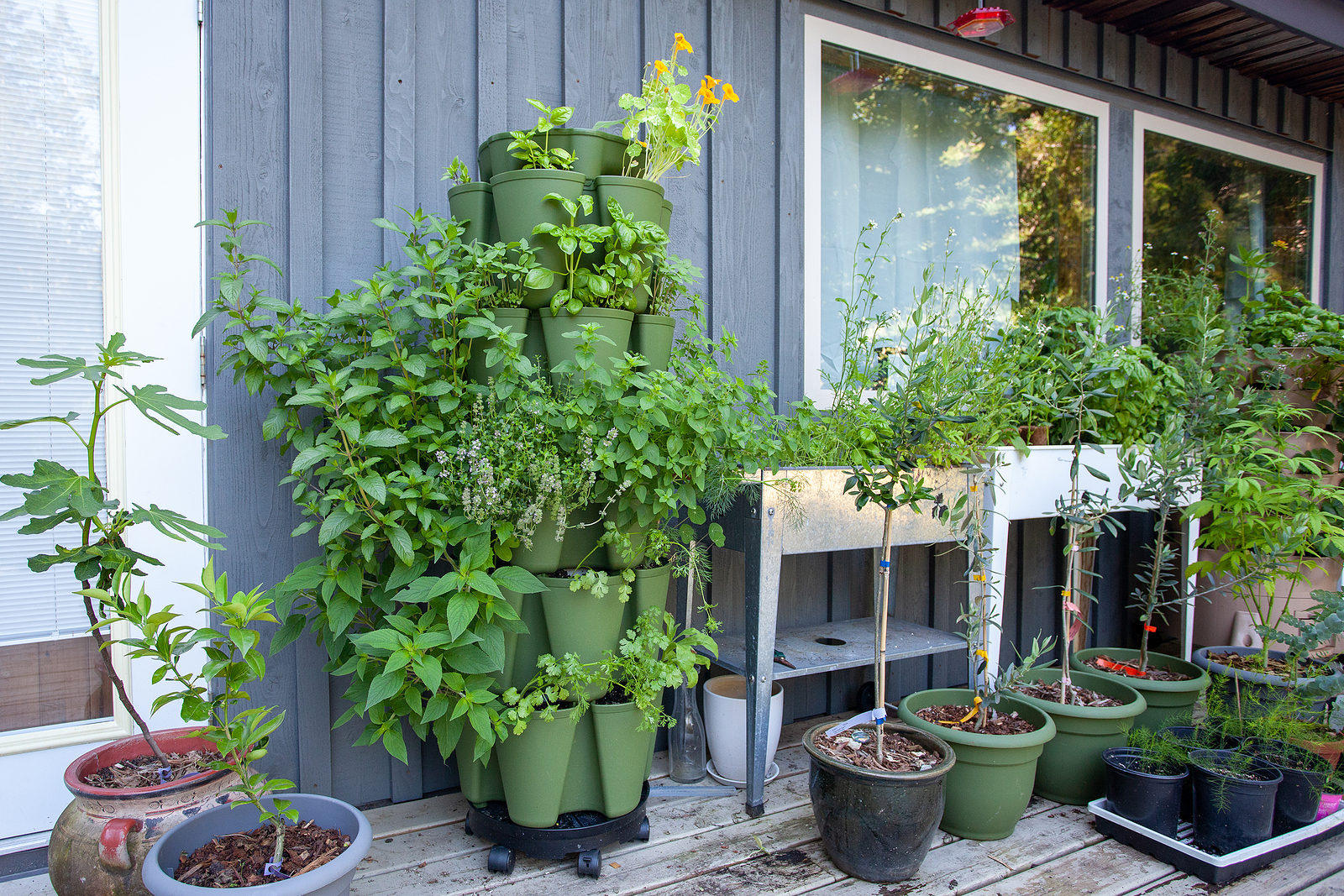
Growing vegetables in containers is one of the most productive ways to garden—but it comes with one major requirement:
👉 You must fertilize regularly.
Unlike in-ground gardens, containers cannot store nutrients for long. Every watering slowly washes nutrients away.
If you want strong growth and consistent harvests, fertilizing correctly is essential.
If you’re just getting started, see How to Grow Tomatoes in Containers (Step-by-Step for Big Harvests) or How to Grow Cucumbers in Containers for Beginners for full setup guidance.
Why Container Vegetables Need More Fertilizer
From my experience growing in raised beds and containers in Sonoma Valley, fertilizer is the main factor that determines success or failure in pots.
Here’s why:
- Nutrients wash out with frequent watering
- Limited soil volume means limited nutrition
- Fast-growing crops (tomatoes, cucumbers, peppers) are heavy feeders
👉 Without regular feeding, even healthy plants quickly decline.
If you’re seeing yellow leaves or weak growth, see Why Are My Tomato Leaves Turning Yellow? (Causes and Fixes) or Why Container Vegetables Fail (10 Common Mistakes and Fixes).
The 4 Types of Fertilizer for Container Vegetables
Understanding fertilizer types helps you build a system—not just apply random products.
🌿 Slow-Release Fertilizer (Base Nutrition)
These fertilizers release nutrients gradually over weeks or months.
Best for:
- beginners
- steady growth
- low-maintenance feeding
Pros:
- long-lasting (4–8 weeks or more)
- easy to use
- consistent results
Cons:
- slower response if plants are deficient
👉 This is your foundation fertilizer at planting time.
💧 Liquid Fertilizer (Fast Growth + Weekly Feeding)
Liquid fertilizers deliver nutrients immediately.
Best for:
- correcting deficiencies
- boosting growth
- weekly feeding
Pros:
- fast results
- adjustable strength
- ideal for container gardening
Cons:
- requires regular application
👉 This becomes your main feeding tool during the season.
⚡ Water-Soluble Fertilizer (Maximum Yield)
These are fast-acting, high-performance fertilizers.
Best for:
- heavy feeders (tomatoes, peppers, cucumbers)
- maximum production
Pros:
- immediate nutrient uptake
- strong growth response
- highly effective
Cons:
- easy to overapply
🌱 Organic Fertilizers (Soil Health + Flavor)
Includes fish emulsion, seaweed extract, compost-based feeds.
Best for:
- long-term soil health
- organic gardening
Pros:
- improves soil biology
- gentle feeding
- sustainable
Cons:
- slower nutrient release
🛒 Best Fertilizers for Container Vegetables (Top Picks)
If you want reliable results without guessing, these are proven fertilizers used by container gardeners.
🌿 Best Slow-Release Fertilizers (Base Feeding)
- Balanced nutrients for vegetables
- Improves soil over time
- Ideal for planting stage
Osmocote Smart-Release Plant Food
- Feeds up to 6 months
- Very easy for beginners
- Consistent nutrient delivery
👉 Best for: mixing into soil at planting
👉 Use when: setting up new containers
💡 Pair with liquid fertilizer for best results.
💧 Best Liquid Fertilizers (Weekly Feeding)
Neptune’s Harvest Fish & Seaweed
- Organic, fast-acting nutrition
- Great for recovery and steady growth
- Strong vegetative growth booster
- Excellent early-season fertilizer
👉 Best for: weekly feeding and fast correction
💡 If plants look pale or slow, start here first.
⚡ Best Water-Soluble Fertilizers (High Production)
Miracle-Gro Water Soluble Plant Food
- Fast results
- Widely available
- Strong performance
Jack’s Classic All-Purpose Fertilizer
- Professional-grade results
- Very consistent feeding
👉 Best for: maximum yields in containers
How to Choose the Right Fertilizer
Choosing the right fertilizer depends on your goal:
- 🌱 Low maintenance: Slow-release only
- 🌿 Healthy organic growth: Organic + liquid combo
- 🍅 Maximum harvest: Slow-release + weekly liquid feeding
- ⚡ Fast recovery: Liquid fertilizer first
👉 Most successful container gardens use a combination system, not just one product.
📦 Simple Fertilizer System (What Actually Works)
The most reliable container feeding system is:
At Planting:
During Growth:
- Liquid fertilizer every 1–2 weeks
During Fruiting:
- Weekly feeding for heavy feeders
👉 This system provides:
- steady nutrition
- fast growth response
- strong fruit production
If you want full crop timing, see Container Garden Fertilizer Schedule (When and How to Feed for Strong Growth).
⚠️ Common Fertilizer Mistakes
❌ Not feeding enough
Most container plants are underfed.
❌ Inconsistent feeding
Irregular fertilizing causes weak growth cycles.
❌ Wrong soil mix
Poor soil reduces nutrient uptake.
👉 See Best Potting Mix for Container Vegetables
👉 See Best Potting Soil Mix for Container Vegetables for proper setup.
❌ Ignoring watering
Dry soil = no nutrient absorption.
👉 See How Often to Water Container Vegetables (A Simple Guide for Consistent Growth).
🛒 Struggling Plants? Quick Fix Fertilizers
If your plants are already showing stress:
- Neptune’s Harvest (fast recovery)
- Jack’s Classic (strong nutrient boost)
👉 These are commonly used when:
- leaves turn yellow
- growth stalls
- plants look weak
If issues persist, see Transplant Shock: Why Your Plants Stall After Planting.
My Proven Approach
After more than 30 years growing vegetables in containers and raised beds, I’ve found the key is consistency, not complexity.
My system:
- quality potting mix
- slow-release fertilizer at planting
- weekly liquid feeding during growth
Combined with proper watering and container selection (see Best Self-Watering Containers for Vegetables), this produces:
👉 strong growth
👉 reliable harvests
👉 fewer nutrient problems
Frequently Asked Questions
How often should I fertilize container vegetables?
Every 1–2 weeks with liquid fertilizer, plus slow-release at planting.
Can I use just one fertilizer?
You can—but results are better when combining slow-release + liquid feeding.
What is the best fertilizer overall?
A combination system using slow-release + liquid fertilizer is most effective.
Final Thoughts
👉 Container vegetables succeed or fail based on feeding consistency.
If you dial in fertilizer, everything else becomes easier:
- watering
- growth
- yields
- plant health
Next Step (Important)
To fully optimize your container system, read next: