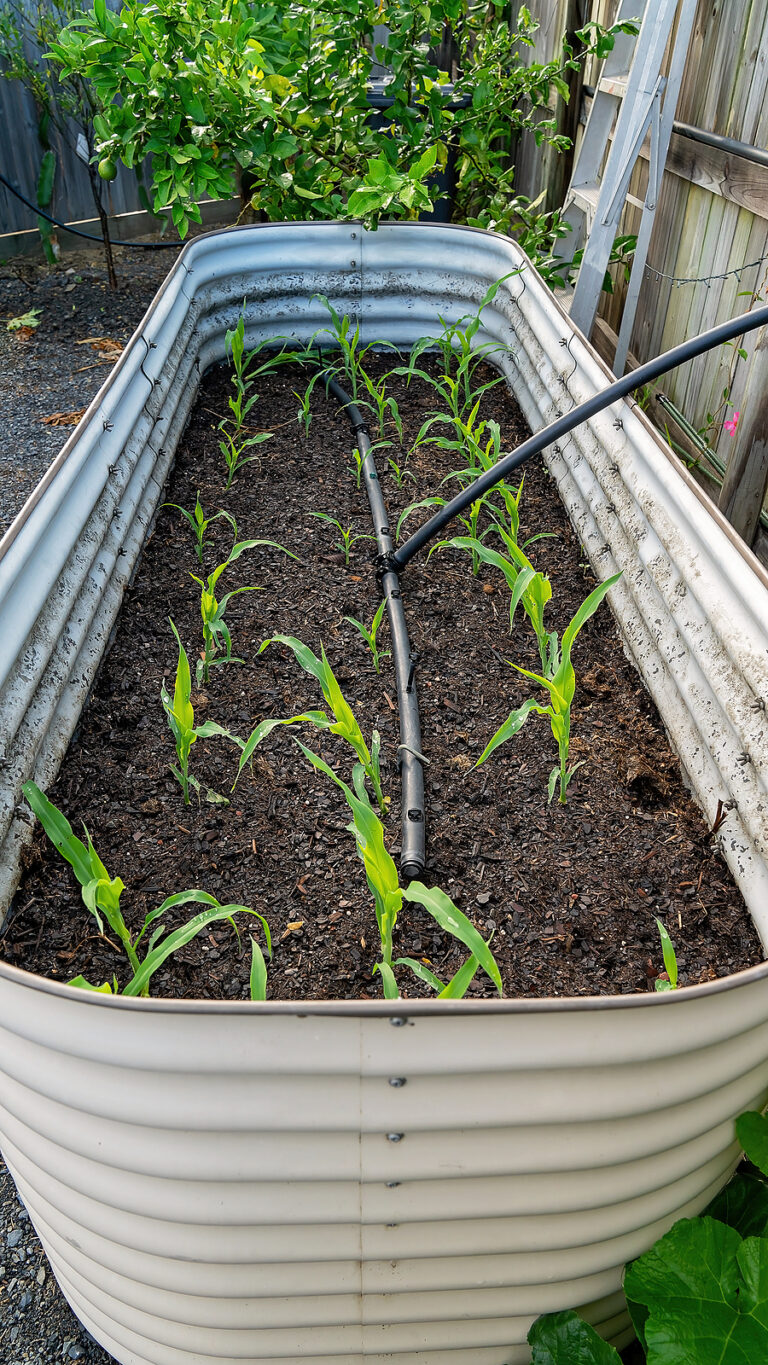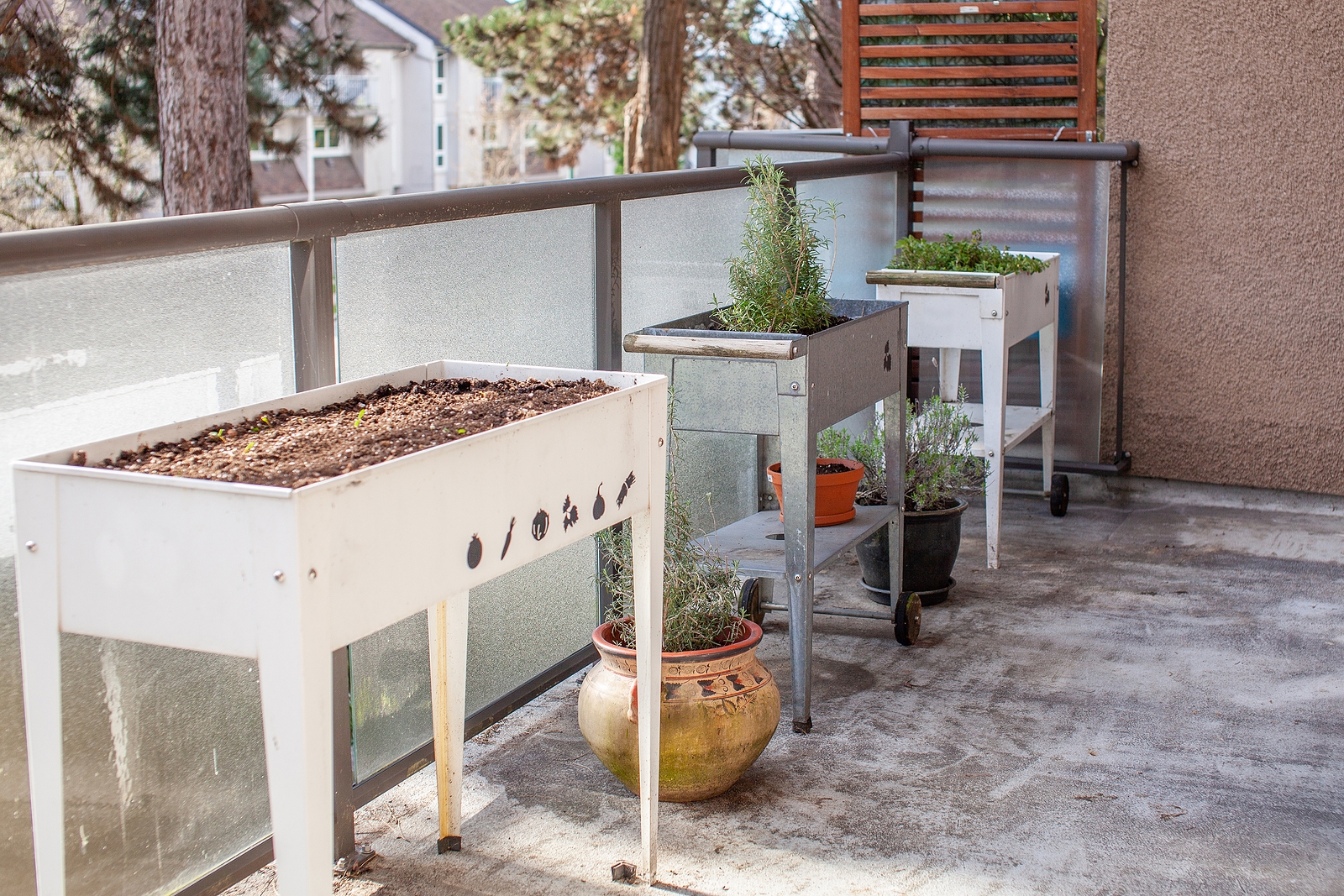
Why Container Vegetables Stop Growing (Root Stress and Nutrient Issues)

If your container vegetables start strong—then stall, sit, or slowly decline—you’re not dealing with bad luck. You’re dealing with root stress and nutrient bottlenecks, the two biggest yield killers in container gardening.
I’ve been growing vegetables in containers and raised beds for decades here in Sonoma Valley. When plants stop growing, the problem is almost always below the soil line—not above it.
This guide will show you exactly what’s happening, how to fix it fast, and how to prevent it going forward.
The Real Reason Container Plants Stall
In the ground, roots expand freely. In containers, roots hit limits quickly.
Know What to Plant This Week
Every week I answer the gardener's most important question: what should I plant now? Get seasonal planting advice free — or go Pro for my full Soil Temperature Garden Report, with soil temperature, moisture, weather trends, and crop-by-crop recommendations.
When that happens, three things go wrong:
- Roots run out of space
- Nutrients get depleted or locked up
- Water cycles become unstable
The result:
- No new growth
- Pale or dull leaves
- Reduced flowering and fruiting
👉 Growth doesn’t slow—it stops.
Problem #1: Root Stress (The Hidden Growth Killer)
What Causes Root Stress?
- Containers too small
- Roots circling (root-bound plants)
- Compacted or degraded potting mix
- Heat buildup in containers
What It Looks Like:
- Plant size doesn’t increase
- Leaves may look “okay” but growth is frozen
- Water runs straight through the pot
How to Fix It:
- Upsize the container (this solves more problems than anything else)
- Gently loosen roots when transplanting
- Refresh or replace old potting mix
👉 Rule from my garden:
If a plant stalls, I move it to a larger container before I do anything else.
Problem #2: Nutrient Depletion (Containers Run Empty Fast)
Unlike garden soil, container mix has limited nutrients.
After a few weeks, fast-growing crops like tomatoes, peppers, and cucumbers use everything available.
What It Looks Like:
- Yellowing leaves (especially lower leaves)
- Weak stems
- Slow or no new growth
How to Fix It (High-Impact)
Use a consistent feeding plan—not occasional guessing.
Add one of these top-performing fertilizers for containers:
- Organic liquid feed
- Balanced slow-release fertilizer
- Fish emulsion (quick nitrogen boost)
👉 Feed lightly but consistently:
- Liquid feed every 7–10 days
- Slow-release every 3–4 weeks
Problem #3: Water Stress (Too Much OR Too Little)
Containers dry out faster—and unevenly.
This creates a cycle:
- Roots dry → growth pauses
- Overwatering follows → roots suffocate
What It Looks Like:
- Wilting even when soil seems wet
- Leaves curling or dropping
- Soil pulling away from container edges
Fix It Fast:
- Water deeply until it drains out the bottom
- Don’t water again until the top inch dries
- Use consistent watering timing (morning is best)
Problem #4: Salt Buildup (The Silent Blocker)
Fertilizers leave behind salts in container soil.
Over time, salts:
- Block nutrient uptake
- Damage roots
- Stall growth completely
What It Looks Like:
- White crust on soil surface
- Leaf burn or browning tips
- Plant stops responding to feeding
Fix:
- Flush the container thoroughly every 3–4 weeks
(run water through for 30–60 seconds)
Problem #5: Poor Soil Structure
Cheap or old potting mix breaks down and suffocates roots.
What Happens:
- Roots can’t breathe
- Water doesn’t drain properly
- Growth slows or stops
Best Fix:
Use high-quality potting mix designed for vegetables (here are a couple to try):
👉 In my garden, I refresh container soil every season. It makes a measurable difference in yield.
Quick Diagnosis Checklist
If your container vegetables stopped growing, check this:
- Is the plant root-bound?
- Has it been fed in the last 10 days?
- Is watering consistent—not erratic?
- Is there salt buildup on the soil?
- Is the soil old or compacted?
Fix these, and growth almost always resumes.
My Experience
After 30+ years growing vegetables—including intensive container growing—I’ve learned this:
👉 Most container failures are not about pests or disease.
They’re about restricted roots and inconsistent feeding.
When I troubleshoot stalled plants, I follow this order:
- Increase root space
- Stabilize watering
- Feed consistently
That sequence solves the problem nearly every time.
Final Takeaway
Container vegetables don’t “just stop growing.”
They stop because:
- Roots are stressed
- Nutrients are unavailable
- Water conditions are inconsistent
Fix the root zone, and the plant will follow.