How to Grow Kale in Pots and Containers: Soil, Spacing, and Care

Growing kale in pots is a fantastic way to enjoy fresh, nutritious greens even if you have limited garden space. With over 30 years of gardening experience—from cold-climate Iowa to California’s temperate Sonoma Valley—I’ve perfected container kale growing techniques that produce big, flavorful leaves. Whether you’re a beginner or seasoned gardener, this guide will help you grow thriving kale in pots with the right soil, spacing, and care.
Choosing the Right Pot
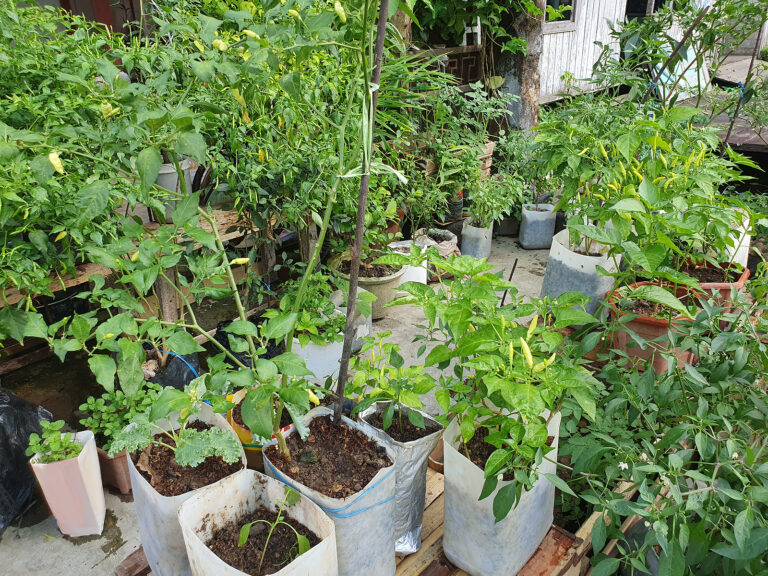
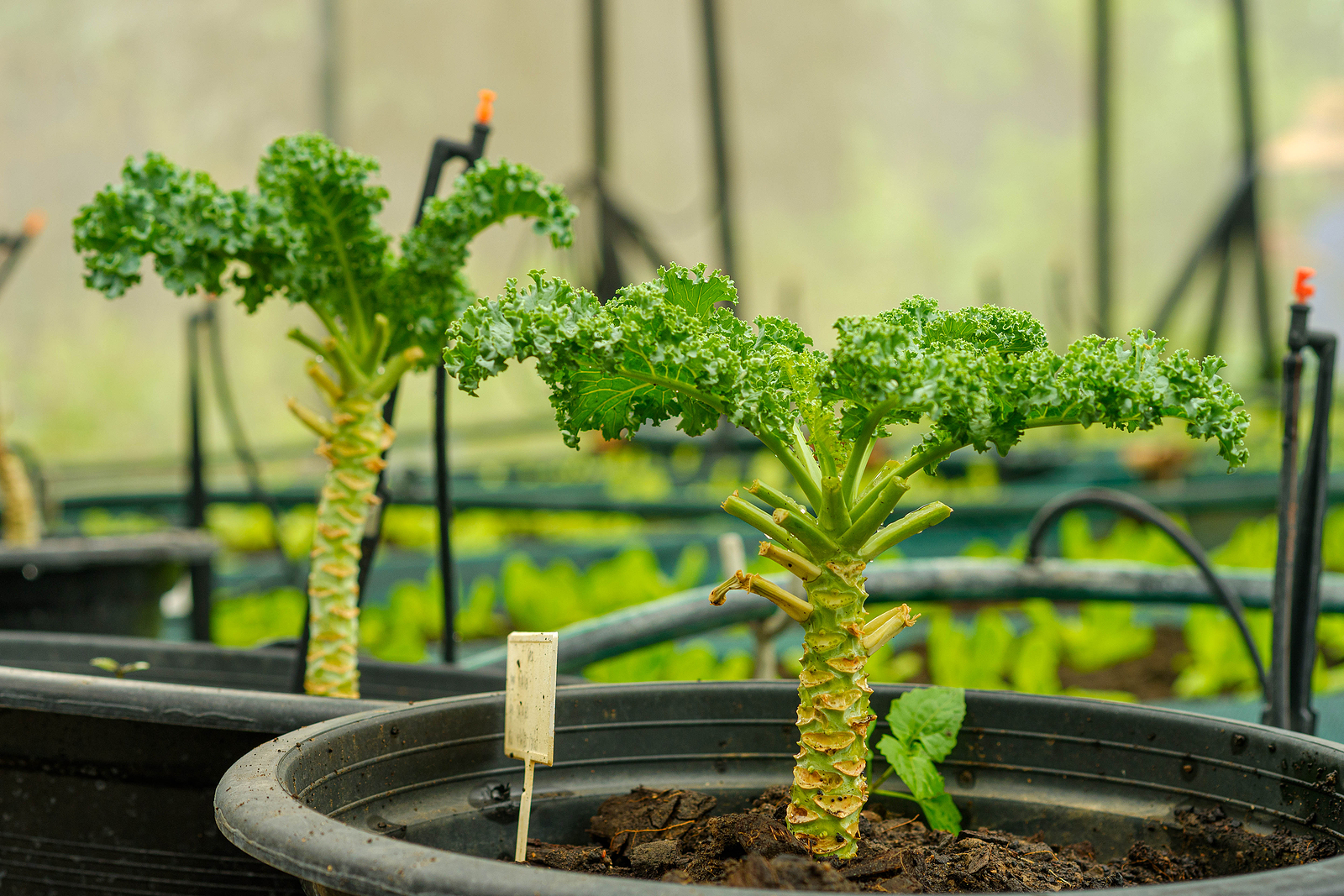
- Size Matters: Use containers at least 12 inches deep and 12–18 inches wide per plant. Larger pots allow more root growth and better moisture retention.
- Drainage: Ensure your pot has ample drainage holes to prevent waterlogging, which can cause root rot.
Soil for Potted Kale
- Use High-Quality Potting Mix: Choose a well-draining, fertile potting mix rich in organic matter. Avoid garden soil, which can compact in containers.
- Amend with Compost: Mix in compost or aged manure to boost nutrients and soil structure.
- pH Level: Aim for a slightly acidic to neutral pH (6.0–7.0) for optimal nutrient uptake.
Planting and Spacing
- Spacing: For optimal air circulation and growth, plant one kale seedling per 12–18 inch pot. If using larger containers, you can grow two plants spaced evenly.
- Sowing: Start seeds indoors or buy transplants. Sow about ¼ inch deep. Thin seedlings to the strongest if starting multiple per pot.
Watering and Care
- Keep Soil Moist but Not Soggy: Container soil dries faster than garden beds. Water when the top inch feels dry. Deep, consistent watering encourages healthy roots.
- Fertilizing: Feed kale every 2–3 weeks with a balanced liquid fertilizer or organic option like fish emulsion. Container plants use nutrients faster.
- Sunlight: Place pots where kale gets 4–6 hours of sunlight daily. Morning sun with afternoon shade is ideal in hotter climates.
Additional Tips
- Rotate Pots: Move containers occasionally to ensure even sunlight exposure.
- Pest Management: Check regularly for aphids and caterpillars. Use insecticidal soap or handpick pests as needed.
- Harvesting: Snip outer leaves regularly to encourage new growth and keep plants productive.
Insight: My Container Kale Journey
When I lived in Iowa, I started many kale seedlings indoors due to short seasons. In California, container kale lets me grow fresh greens year-round on patios or balconies. Container growing requires attentive watering and feeding, but the rewards—a continuous supply of tender kale leaves—are worth it.
🥬 Kale Learning Hub
Start here: The Ultimate Kale Growing Guide: From Seed to Harvest
1. Types and Varieties of Kale
Know What to Plant This Week
Every week I answer the gardener's most important question: what should I plant now? Get seasonal planting advice free — or go Pro for my full Soil Temperature Garden Report, with soil temperature, moisture, weather trends, and crop-by-crop recommendations.
- Different Types of Kale Explained: Curly, Flat, Russian & Tuscan
- Best Kale Varieties for Different Climates
2. Planting and Timing
- Kale Seed Starting Tips
- When to Plant Kale for Fall, Winter, and Spring Harvests
- Succession Planting Kale for a Continuous Harvest
- How to Space and Thin Kale for Maximum Yield
- Zone-by-Zone Kale Planting Calendar
3. Seasonal Growing
- How to Grow Kale in Cold Climates and Overwinter Successfully
- Can You Grow Kale in Summer? Tips for Heat-Stressed Plants
4. Care and Maintenance
- How Much Water Does Kale Need? A Watering Guide
- How to Fertilize Kale for Lush Leaf Growth
- Best Companion Plants for Kale (And What to Avoid)
- How to Prune Kale for Continued Production
5. Container Gardening
6. Pests and Diseases
7. Harvest and Storage
- How to Harvest and Store Kale
- How and When to Harvest Kale Leaves for Best Flavor
- Tips for Extending Kale Harvest Through the Season
8. Kale in the Kitchen