Transplant Shock: Why Your Plants Stall After Planting (And How to Prevent It)

One of the most confusing moments in the spring garden is when everything seems to go right—plants are transplanted carefully—and then… they stop growing.
No new leaves. No upward growth. Sometimes even drooping or yellowing.
This is called transplant shock, and I’ve seen it repeatedly over 30+ years of gardening in raised beds, in-ground beds, and containers in my Sonoma Valley garden.
The good news: in most cases, plants are not failing—they are simply adjusting.
Know What to Plant This Week
Every week I answer the gardener's most important question: what should I plant now? Get seasonal planting advice free — or go Pro for my full Soil Temperature Garden Report, with soil temperature, moisture, weather trends, and crop-by-crop recommendations.
Let’s break down what’s happening and how to fix it quickly.
What Is Transplant Shock?
Transplant shock is the stress plants experience when they move from one growing environment to another.
This happens when:
- Roots are disturbed
- Light conditions suddenly change
- Wind and temperature exposure increases
- Water uptake is temporarily disrupted
Common signs:
- Wilting after planting
- Stalled growth
- Yellowing lower leaves
- Drooping in afternoon sun
Here are the most common reasons for transplant shock:
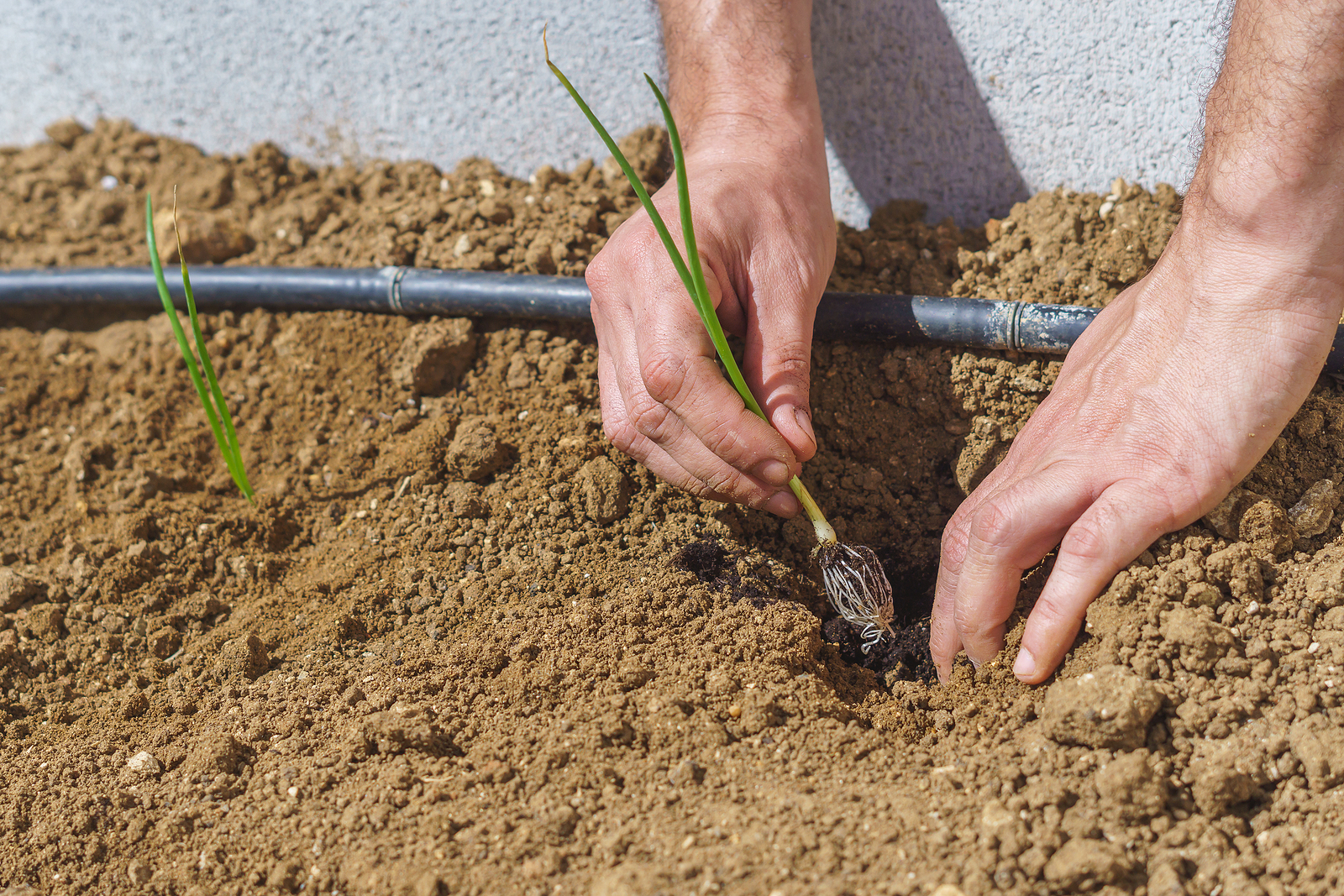
1. Root Disturbance (Most Common Cause)
Even small root disruption can slow a plant down.
What happens:
- Fine feeder roots are damaged
- Water uptake slows
- Plant temporarily “pauses” growth
Fix:
- Handle roots gently during transplanting
- Avoid breaking root balls when possible
- Water deeply immediately after planting
👉 Helpful tool:
- Biodegradable seed starting pots reduce root disturbance
2. Lack of Proper Hardening Off
This is one of the biggest preventable causes of transplant shock.
What happens:
Plants moved directly from indoors to outdoor sun and wind struggle to adjust.
Fix:
- Gradually expose plants outdoors over 5–7 days (this is called hardening off)
- Start with 1–2 hours of shade
- Increase sun exposure slowly each day
👉 Helpful tools:
- Plant shade cloth
- Seedling trays with handles for easy moving
3. Sun Stress After Planting
Even healthy seedlings can struggle with sudden full sun exposure.
What happens:
- Leaves droop during peak heat
- Soil dries too quickly
- Growth temporarily halts
Fix:
- Transplant in late afternoon or overcast days
- Provide temporary shade for 2–3 days
- Keep soil evenly moist
👉 Helpful tools:
Plant cloches or protective covers
4. Water Stress (Too Much or Too Little)
After transplanting, water balance is critical.
What happens:
- Too little water → wilting
- Too much water → oxygen loss in roots
Fix:
- Water deeply right after planting
- Keep soil consistently moist (not soggy)
- Check soil 2–3 inches down
👉 Helpful tools:
5. Temperature Shock (Cold or Heat Stress)
Spring temperatures can swing quickly, especially in raised beds.
What happens:
- Cold nights slow root activity
- Hot days increase stress and water loss
Fix:
- Wait until soil warms for warm-season crops
- Use row covers at night
- Mulch to stabilize temperature
👉 Helpful tools:
6. Fertilizing Too Soon
This is a common mistake after transplanting.
What happens:
- Roots are too stressed to absorb nutrients
- Fertilizer can worsen shock symptoms
Fix:
- Wait 7–14 days before feeding
- Focus on water and stability first
- Use gentle, diluted feed only after new growth appears
👉 Helpful tools:
My Experience
After decades of transplanting vegetables into raised beds and mounded rows, I’ve learned this:
👉 Most transplant shock is not damage—it’s adjustment.
In Sonoma Valley gardens, the biggest factors are:
- Wind exposure
- Sudden sun intensity
- Soil temperature swings in early spring
Once I began hardening off plants properly and planting at the right soil temperature, transplant shock became far less common.
Simple Transplant Shock Prevention Checklist
Before and after planting, ask:
- Were plants hardened off properly?
- Is soil temperature appropriate?
- Was watering consistent after planting?
- Are plants protected from wind and sun?
- Was fertilizer avoided early on?
🧰 Recommended Transplant Success Setup (Buying Guide)
This simple setup prevents most transplant problems before they start.
🔆 Light & Protection
- Shade cloth for early adjustment
https://www.amazon.com/s?k=garden+shade+cloth - Plant covers for wind protection
https://www.amazon.com/s?k=plant+protection+cover+garden
💧 Watering Control
- Soil moisture meter
https://www.amazon.com/s?k=soil+moisture+meter+gardening - Drip irrigation system
https://www.amazon.com/s?k=drip+irrigation+kit+garden
🌡️ Soil Temperature Tools
- Soil thermometer
https://www.amazon.com/s?k=soil+thermometer+garden - Row covers for warmth retention
https://www.amazon.com/s?k=floating+row+cover+garden
👉 In my experience, stabilizing water and temperature alone prevents most transplant failures.
Related Posts You May Find Helpful
- Why Are My Seedlings Leggy? (Causes and Fixes)
- Seeds Not Germinating? 7 Reasons Your Garden Isn’t Sprouting
- Why Are My Young Plants Yellow? (Causes and Fixes)
- How Often to Water Vegetable Gardens in Spring
Frequently Asked Questions
How long does transplant shock last?
Usually 3–10 days, depending on weather and root disturbance.
Should I fertilize after transplanting?
No. Wait until you see new growth.
Will my plant recover from transplant shock?
Yes—most plants recover fully if conditions stabilize.
Why are my plants wilting after transplant?
Usually temporary water imbalance or sun stress.
Can transplant shock kill plants?
Rarely—unless combined with extreme heat, drought, or root damage.
The Bottom Line
Transplant shock is a normal adjustment phase, not a failure.
When you control:
- Soil temperature
- Water consistency
- Sun exposure
- Root disturbance
…plants recover quickly and resume strong growth.