The Best Time of Day to Water Your Vegetable Garden

Watering your vegetable garden seems simple, but timing can make a significant difference in plant health, disease prevention, and harvest size.
Many gardeners ask: Should I water in the morning or evening? Is midday watering harmful? How often should vegetables be watered during hot weather?
The answer is not just about the clock—it is about understanding how plants, soil, temperature, and moisture interact.
After decades of gardening in my home gardens and market garden, and growing vegetables in Iowa, eastern Massachusetts, and Northern California, I have learned that the timing of irrigation is one of the easiest ways to improve garden performance.
Know What to Plant This Week
Every week I answer the gardener's most important question: what should I plant now? Get seasonal planting advice free — or go Pro for my full Soil Temperature Garden Report, with soil temperature, moisture, weather trends, and crop-by-crop recommendations.
A garden that receives water at the right time wastes less moisture, develops stronger roots, and handles heat stress better.
The Best Time to Water a Vegetable Garden
The best time to water most vegetable gardens is:
Early morning, between sunrise and about 9 or 10 a.m.
Morning watering gives plants time to absorb moisture before the heat of the day increases evaporation.
Benefits of morning watering include:
- Less water loss from evaporation
- Roots receive moisture before daytime stress
- Leaves have time to dry
- Plants begin the day hydrated
- Better protection during hot weather
For most vegetable gardens, morning irrigation is the ideal balance between efficiency and plant health.
Why Morning Watering Works Best
Plants are most active during daylight hours.
When soil is moist in the morning:
- Roots can absorb water throughout the day.
- Leaves can cool through transpiration.
- Photosynthesis can continue efficiently.
- Plants are better prepared for heat.
During hot summer weather, a well-watered plant entering the afternoon has a much better chance of maintaining growth and fruit production.
This is especially important for high-water crops such as:
- Tomatoes
- Cucumbers
- Squash
- Melons
- Corn
- Beans
Is Evening Watering Bad for Vegetable Gardens?
Evening watering is not always wrong, but it is usually second choice.
Watering late in the evening can create conditions that encourage disease, especially when leaves remain wet overnight.
Potential problems include:
- Increased fungal disease risk
- Slower drying of foliage
- Cool, wet conditions around plants
This is especially important for crops prone to leaf diseases, such as:
- Tomatoes
- Cucumbers
- Squash
- Melons
If evening watering is necessary, apply water directly to the soil rather than spraying leaves.
Drip irrigation and soaker hoses make evening watering safer because they keep foliage dry.
Should You Water Vegetables During the Heat of the Day?
Midday watering is not ideal, but it is sometimes necessary.
Many gardeners have heard that watering in the afternoon burns leaves. This is generally a myth. Water droplets do not normally scorch healthy leaves.
However, midday watering is less efficient because:
- More water evaporates
- Soil surface dries quickly
- Plants may not absorb moisture as effectively
During extreme heat, however, watering is better than allowing plants to suffer from drought stress.
If plants are wilting severely during a 100°F heat wave, water them—even if it is afternoon.
Plant survival is more important than perfect timing.
How Different Vegetables Respond to Watering Time
Different crops have different moisture needs.
Tomatoes
Tomatoes benefit from consistent morning watering.
Irregular watering can lead to:
- Blossom end rot
- Cracked fruit
- Reduced production
Keeping soil moisture steady helps plants continue producing through summer heat.
Cucumbers
Cucumbers have high water needs and respond quickly to drought.
Morning watering helps prevent:
- Bitter fruit
- Wilting
- Reduced harvests
Peppers
Peppers prefer steady moisture but do not like saturated soil.
Morning watering helps maintain strong roots and continuous flowering.
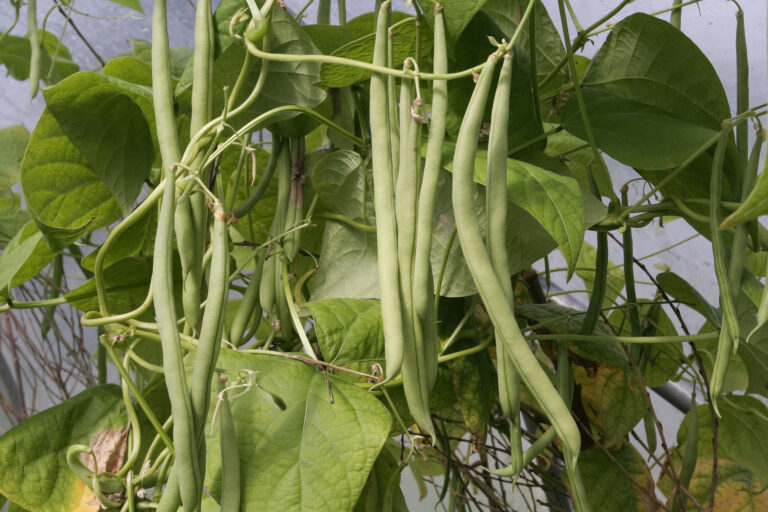
Beans
Beans grow quickly and need reliable moisture during flowering and pod development.
Water stress can reduce yields.
Corn
Corn is especially sensitive to moisture during pollination.
Morning irrigation helps ensure plants have adequate water during the critical period when ears are forming.
Root Crops
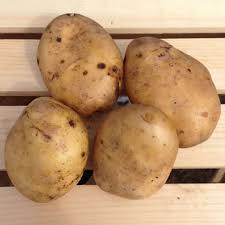
Carrots, beets, and potatoes benefit from consistent soil moisture.
Uneven watering can cause:
- Forked roots
- Cracking
- Poor development
How Often Should You Water Your Vegetable Garden?
The best watering schedule depends on:
- Soil type
- Weather
- Crop type
- Mulch
- Garden design
As a general guideline:
During mild weather
Water deeply 1–2 times per week.
During hot weather
Check soil moisture daily and water as needed.
During heat waves
Some gardens may require watering every day, especially:
- Containers
- Raised beds
- Sandy soils
The goal is not frequent shallow watering. The goal is maintaining consistent moisture in the root zone.
Water Deeply Rather Than Frequently
A common mistake is watering lightly every day.
Shallow watering encourages shallow roots.
Deep watering encourages:
- Stronger root systems
- Better drought tolerance
- Healthier plants
- Larger harvests
Water slowly enough that moisture reaches:
- 6–12 inches deep for most vegetables
- Deeper for established perennial crops
How Soil Type Changes Watering Timing
Different soils hold different amounts of moisture.
Sandy Soil
Sandy soil drains quickly.
You may need:
- More frequent watering
- Mulch to reduce evaporation
Clay Soil
Clay holds water longer.
You may need:
- Slower irrigation
- Less frequent watering
- Care to avoid waterlogging
Loamy Soil
Loam provides the ideal balance of:
- Water retention
- Drainage
- Root growth
Understanding your soil helps determine the best watering schedule.
Mulch Makes Watering More Effective
Mulch is one of the best tools for reducing irrigation needs.
A 2–4 inch layer of organic mulch helps:
- Keep soil cooler
- Reduce evaporation
- Maintain moisture
- Protect roots
Good choices include:
- Straw
- Compost
- Shredded leaves
- Grass clippings
In my California garden, mulch has been essential for maintaining soil moisture during long periods of summer heat.
The Best Watering Method for Vegetable Gardens
The method you use matters as much as timing.
The most efficient options include:
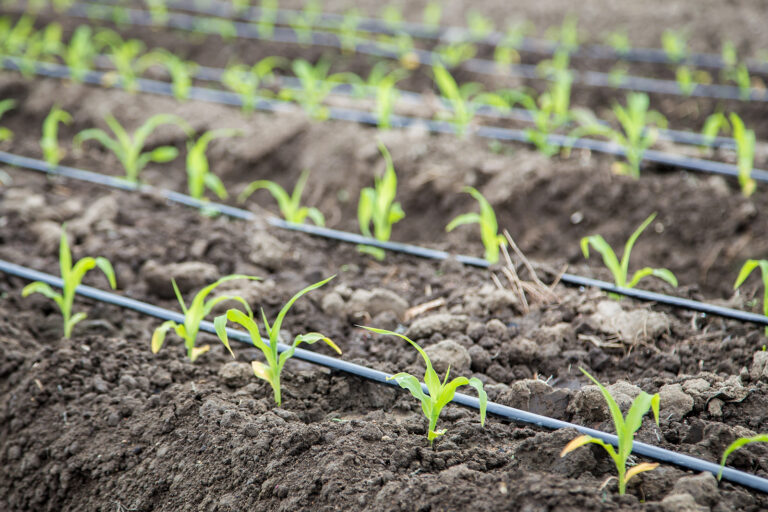
Drip Irrigation
Drip irrigation:
- Delivers water directly to roots
- Reduces evaporation
- Keeps foliage dry
- Saves water
Soaker Hoses
Soaker hoses work well for:
- Raised beds
- Vegetable rows
- Closely planted crops
Hand Watering
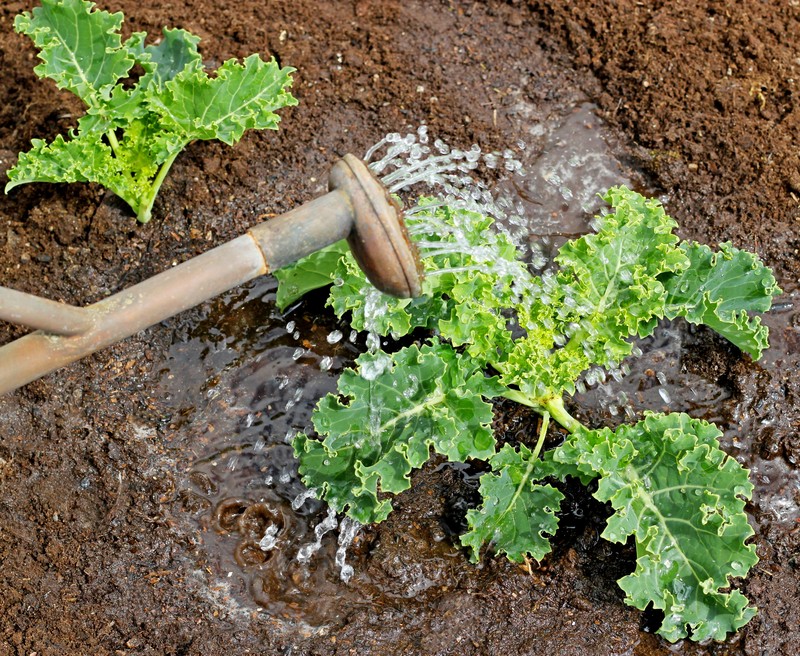
Hand watering works well for smaller gardens.
The key is applying water slowly and deeply rather than quickly wetting the surface.
My Home Garden and Market Garden Experience
In my home garden and market garden, irrigation timing has always been one of the foundations of successful vegetable production.
In Iowa, summer rains could make watering unpredictable. In Massachusetts, timing irrigation helped crops handle periods of heat and drought. In California, where summer rainfall is rare, careful watering became essential for keeping vegetables productive.
The lesson I have learned over decades is simple:
Watering is not just about giving plants water. It is about managing the relationship between roots, soil, weather, and plant growth.
A garden that receives water at the right time will almost always perform better than one watered randomly.
Frequently Asked Questions
What is the best time of day to water a vegetable garden?
Early morning, usually between sunrise and 9 or 10 a.m., is the best time because plants can absorb moisture before heat increases evaporation.
Can I water my vegetable garden at night?
Yes, if necessary, but avoid wetting foliage overnight. Drip irrigation or soaker hoses are better for evening watering.
Is it okay to water vegetables in the afternoon?
Yes. During extreme heat, watering in the afternoon is better than allowing plants to become severely stressed.
Does watering vegetables in the sun burn leaves?
No. Water droplets on leaves do not usually cause sunburn, though midday watering is less efficient because of evaporation.
How often should I water my vegetable garden in summer?
Check soil moisture regularly. During hot weather, many gardens need watering several times per week or even daily.
Should I water vegetables every day?
Not always. Deep, less frequent watering is usually better than shallow daily watering.
How long should I water my vegetable garden?
Water long enough for moisture to reach the root zone, usually 6–12 inches deep for most vegetables.
Is drip irrigation better than sprinklers for vegetables?
Drip irrigation is often more efficient because it delivers water directly to roots and keeps foliage dry.
The Bottom Line
The best time to water your vegetable garden is usually early morning. This simple habit helps plants start the day hydrated, reduces water waste, and supports healthier roots.
But the most important rule is consistency. A garden that receives steady moisture will always outperform one that cycles between drought and overwatering.
After decades of growing vegetables in different climates, I have found that successful irrigation comes down to three things: water deeply, water consistently, and let your soil tell you when your plants need a drink.