Raised Bed vs In-Ground: Watering Differences That Matter

If you treat all garden soil the same, watering becomes guesswork—and yield suffers.
After 30+ years growing vegetables in Sonoma Valley across raised beds, mounded rows, and in-ground systems, I’ve learned this clearly:
👉 Where you plant matters as much as what you plant.
Especially when it comes to water.
Know What to Plant This Week
Every week I answer the gardener's most important question: what should I plant now? Get seasonal planting advice free — or go Pro for my full Soil Temperature Garden Report, with soil temperature, moisture, weather trends, and crop-by-crop recommendations.
Raised beds and in-ground gardens behave like two different systems. If you don’t adjust for that difference, you’ll either underwater one—or overwater the other.
Let’s break it down.
The Core Difference: Water Movement
Raised Beds
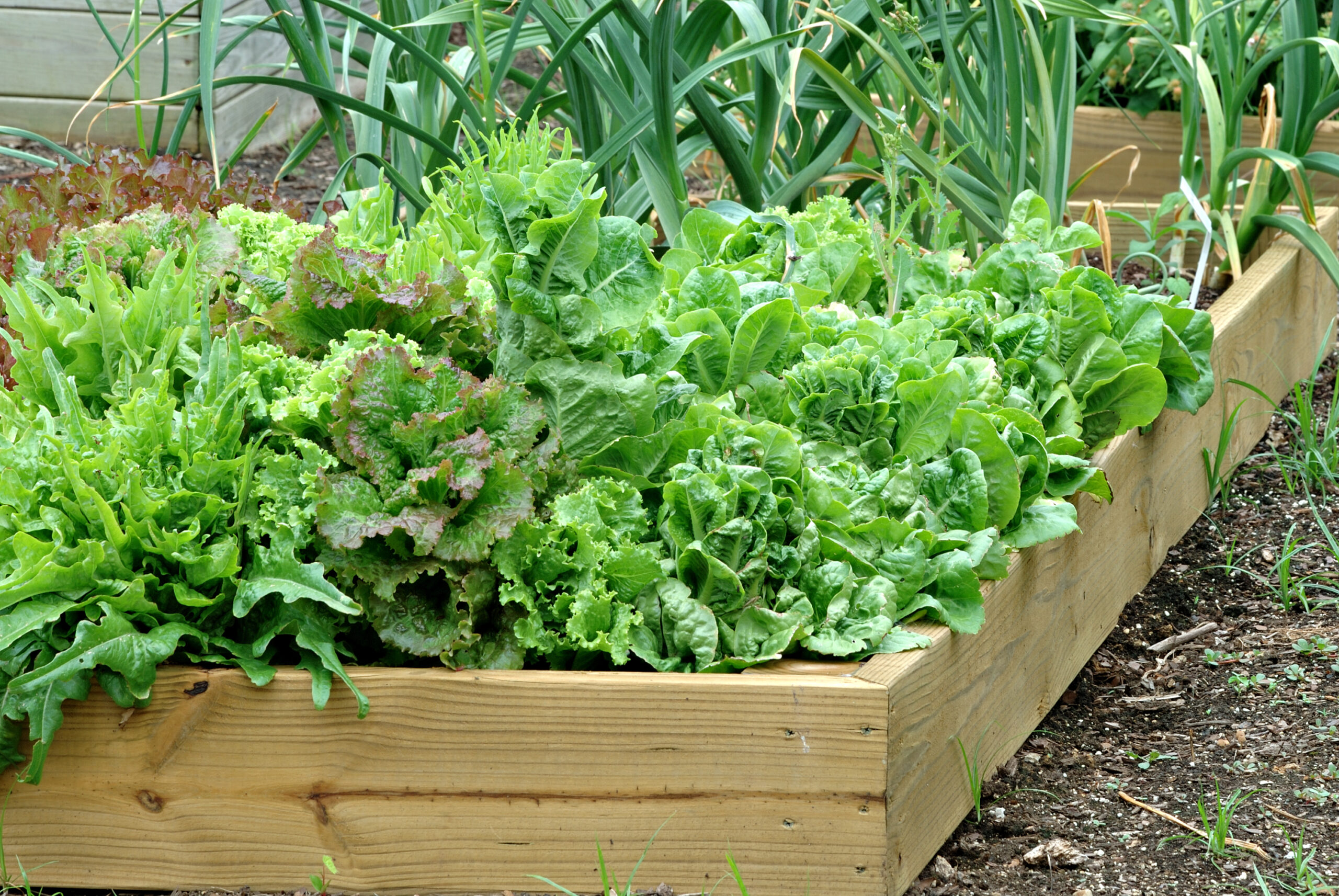
Raised beds are essentially contained soil systems sitting above natural ground level.
- Drain quickly
- Warm up faster
- Dry out unevenly (edges first)
- Respond fast to heat and wind
👉 They are highly productive—but also highly responsive to stress.
In-Ground Beds
In-ground gardens are part of the natural soil profile.
- Retain moisture longer
- Change more slowly
- Buffer temperature swings
- Less dramatic dry-down cycles
👉 They are more stable—but slower to respond.
Watering Raised Beds: Fast, Responsive, Precise
Raised beds require a more active watering strategy.
What I’ve learned in practice:
- They dry from the top down and edges inward
- Wind and sun exposure accelerate loss
- One hot day can shift moisture dramatically
What works best:
- Deep watering that reaches full root zone
- More frequent checks during warm periods
- Mulch to slow evaporation
- Bed-by-bed adjustment (never assume uniformity)
👉 Think of raised beds as a high-performance system that needs monitoring.
Watering In-Ground Beds: Steady and Conservative
In-ground soil behaves differently.
Key characteristics:
- Holds moisture longer at depth
- Surface may dry while roots stay moist
- Less frequent watering required
What works best:
- Deeper, less frequent irrigation
- Allowing longer dry-down cycles
- Checking moisture below the surface before watering
👉 Overwatering is the most common mistake in in-ground gardens.
The Biggest Mistake Gardeners Make
They water based on the surface.
But:
- Raised beds can look dry and still be moist below
- In-ground beds can look fine and be drying at depth
👉 The surface tells you almost nothing about root conditions.
Root Zone Reality (Where It Actually Matters)
Most vegetable roots are active in the top 4–8 inches of soil.
That means:
- Raised beds = faster root-zone fluctuation
- In-ground beds = slower, buffered fluctuation
If the root zone is unstable, you will see:
- Blossom drop
- Uneven growth
- Weak fruit set
- Reduced yield
Crop Response Differences
The same crop behaves differently depending on system:
Tomatoes
- Raised beds: faster growth, higher water demand
- In-ground: steadier, less frequent watering
Cucumbers & squash
- Raised beds: very sensitive to dry-down swings
- In-ground: more forgiving, but slower start
Beans
- Raised beds: faster cycles, more frequent irrigation
- In-ground: steadier but less explosive growth
Mulch Matters More Than You Think
Mulch behaves differently in each system:
Raised Beds
- Essential for slowing evaporation
- Helps stabilize temperature swings
- Reduces rapid dry-down at edges
In-Ground Beds
- Still important, but primarily for surface moisture retention
- More about consistency than protection
How I Manage Both Systems Together
In my own garden, I never treat raised and in-ground beds the same.
I manage by:
- Checking each bed individually
- Adjusting irrigation based on depth, not appearance
- Watching dry-down speed over time
- Letting each system “tell me” its needs
👉 The garden becomes a set of microclimates, not one uniform field.
Practical Rule I Use
If you want a simple guiding principle:
- Raised beds → check and adjust often
- In-ground beds → water deeply and less frequently
That one shift eliminates most watering mistakes.
Final Insight
Watering isn’t just about volume—it’s about system behavior.
Raised beds push growth fast but demand attention.
In-ground beds stabilize growth but require restraint.
Once you understand that difference, everything improves:
- Better root systems
- Fewer stress cycles
- More consistent yields
- Less guesswork overall