How to Grow Romneya – Matilija Poppy

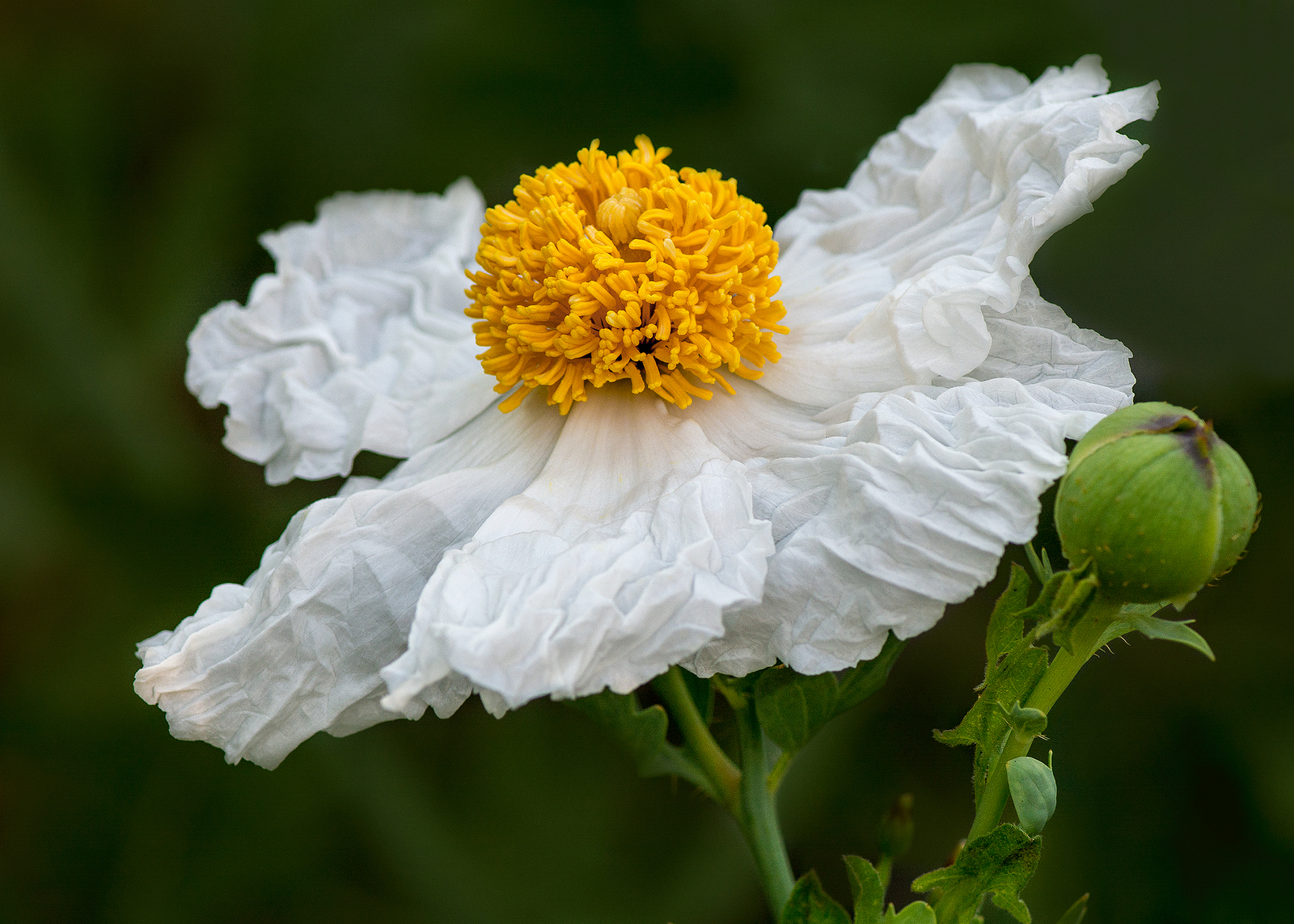
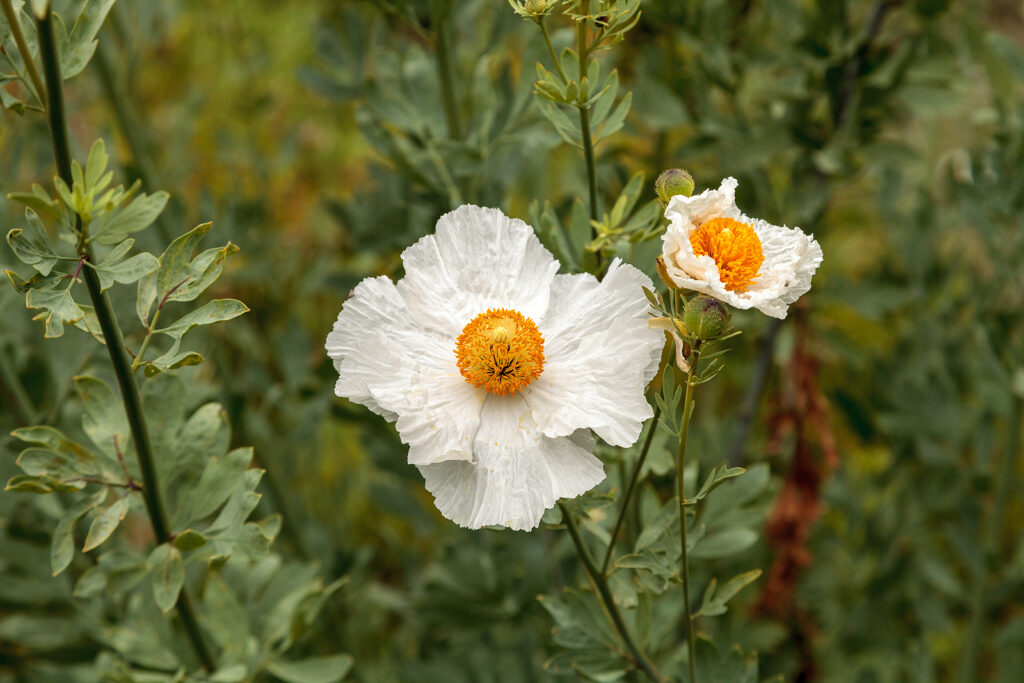
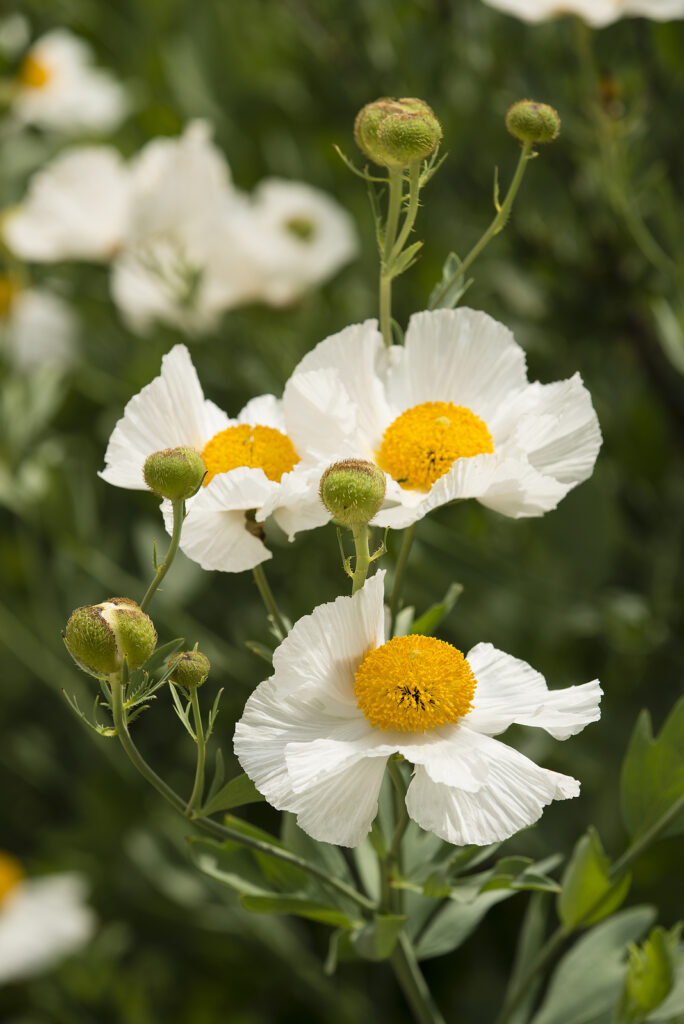
Romneya–commonly called Matilija poppy–is a perennial sub-shrub that bears showy white flowers with yellow centers that look like eggs cooking sunny-side-up.
Romneya has large pinnatifid, irregularly lobed gray-green leaves. Romneya prefers regular water, but once established, it will tolerate drought. Romneya blooms from late spring into summer; with regular water, Romneya will bloom into autumn.
Romneya spreads via rhizomes so it should be planted where it will not infringe on other plants. Romneya is a good choice for western native gardens and borders in gardens where winters are mild.
Romneya is a genus of two species. Romneya is native to chaparral and sage scrub in Southern California and New Mexico.
Know What to Plant This Week
Every week I answer the gardener's most important question: what should I plant now? Get seasonal planting advice free — or go Pro for my full Soil Temperature Garden Report, with soil temperature, moisture, weather trends, and crop-by-crop recommendations.
Get to know Romneya
- Plant type: Perennial subshrub, spreads via rhizomes
- Growing zones and range: Zones 8-10
- Hardiness: Hardy to -10°F (-23°C)
- Height and width: 3 to 8 feet (1-2.5m) tall and wide
- Foliage: Ovate to rounded glaucous gray-green pinnatifid leaves to 5 inches long
- Flowers: Six-petaled poppy-like white flowers with yellow stamens
- Bloom time: Summer
- Uses: Shrub or perennial borders, native gardens
- Common name: Matiija poppy, tree poppy, fried egg plant
- Botanical name: Romenya
- Family name: Papaveraceae
- Origin: Chaparral in Southern California and New Mexico
Where to plant Romneya
- Plant Romneya in full sun.
- Grow Romneya in average to humus-rich, well-drained soil.
- Plant Romneya where it is sheltered from strong and cold winds.
Romneya uses and companions
- Grow Romneya in a border or against a sunny wall.
- Good garden companions for Romneya include Artemisia, Baptisia australis, Centranthus rubber, Salvia, ornamental grasses.
When to plant Romneya
- Set container-grown Romneya in the garden in spring.
Planting and spacing Romneya
- Space Romney 3 to 8 feet (1-2.5m) apart.
- Plant Romneya where it will not be disturbed; it does not like transplanting.
How to water and feed Romneya
- Give Romneya regular water; the soil should be just most, but not wet. Mauture plants can withstand drought.
- Fertilize Romneya with an all-purpose, slow-release, organic fertilizer in spring.
Romneya care
- Protect Romneya from cold or strong winds.
- Where Romney is marginally hardy, plant it against a warm, sunny wall.
- Give Romneya a deep winter mulch.
- Romenya can be cut back to the base in winter.
Romneya pests and diseases
- Romenya can be attacked by caterpillars.
- Verticillium wilt can affect Romneya.
Romneya propagation
- Sow seed in warm soil in spring.
- Romneya needs smoke or fire to germinate in the wild. Sow seeds in a flat then burn pine needles on top, then water. Alternatively, soak the seeds in smoke water before planting; they will germinate quickly.
- Dig up rooted shoots and pot them until they form a good root system. Take root basal cuttings in spring.
Romneya varieties to grow
- Romney coulteri. Matilija poppy. Upright, deciduous subshrub grow 3 to 8 feet tall and wide; ovate to rounded pinnatifid glaucous, gray-green leaves to 5 inches long; bears solitary, shallowly cup-shaped white flowers to 5 inches across with prominent yellow stamens,