How to Grow Haworthia

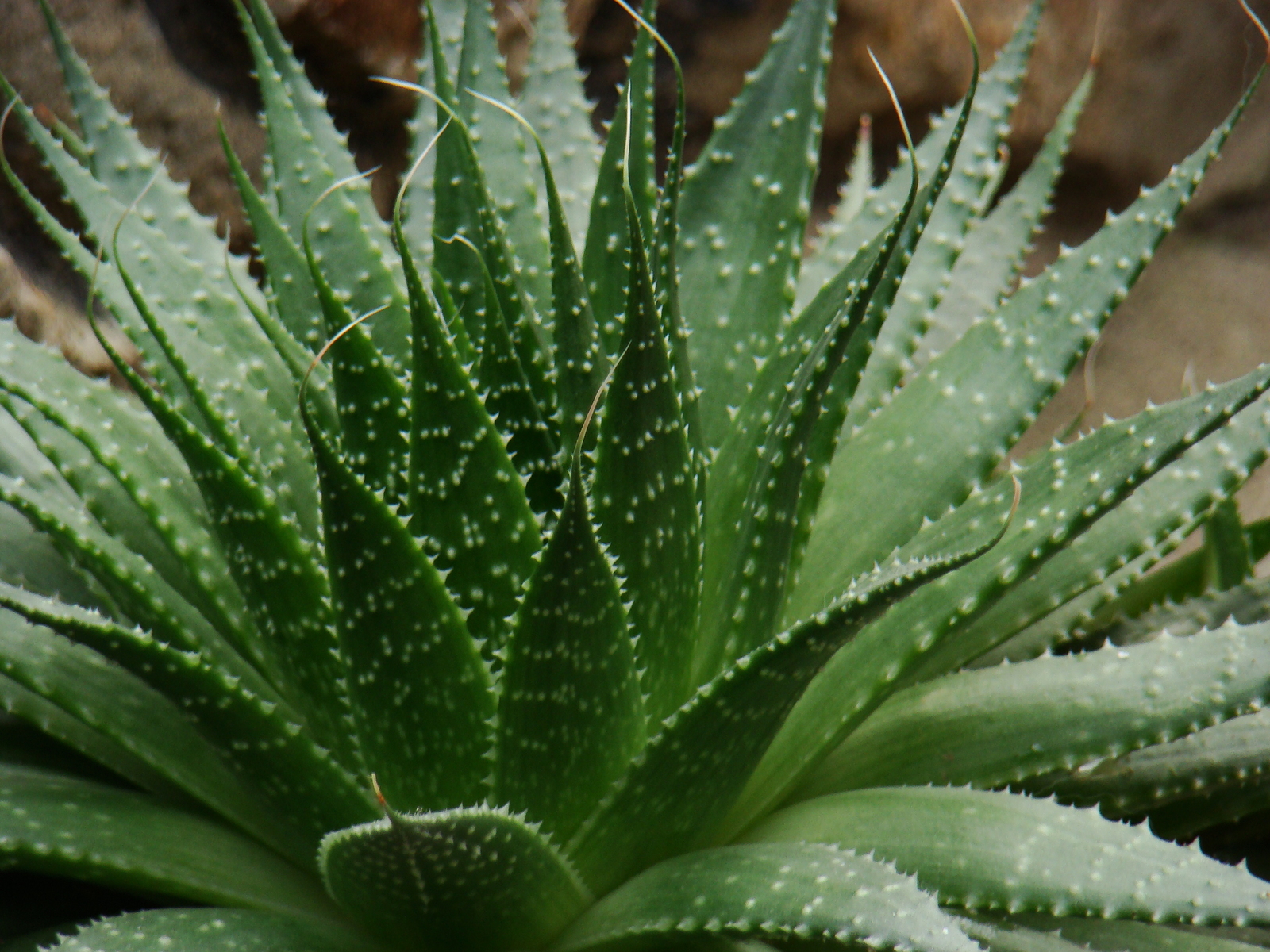
Haworthias are small, easy-to-grow plants. They form a spiky rosette of upright, spotted, or striped, succulent leaves. Haworthia grows in matlike groups. Their distinctive foliage shapes and patterning make them delightful additions to a window garden.
HHowarthias bear small, tubular to funnel-shaped white flowers in loose racemes
Haworthia is a genus of about 160 species of dwarf, basal-rosette, more or less stemless perennial succulents.
Get to know Haworthia
- Plant type: Succulent evergreen perennial
- Growing Zones and range: 10-11
- Hardiness: 35℉ (1.7℃)
- Optimal growing temperature: day, 68° to 80°F (20° to 27°C); night, 50° to 70°F (10° to 21°C).
- Light: Bright to medium light; no direct sunlight
- Height and width: 3”- 8” tall and wide, depending on the type
- Foliage: Forms rosettes of sharply pointed, flesh brownish to green leaves with a network of white veins
- Flowers: Occasional white blooms atop slender stems
- Uses: Houseplant, outdoors in warm regions
- Common name: Pearl plant, wart plant
- Botanical name: Haworthia
- Family: Liliaceae
- Origin: Namibia, South Africa
Where to plant Haworthia
- Grow Haworthia in bright to medium light, but not direct sunlight.
- Indoors grow Haworthia in bright, indirect, or filtered light from eastern or western exposure.
- Grow Haworthia in cactus soil in shallow pots.

How to water and feed Haworthia
- Water whenever the soil surface feels dry to the touch. From early summer to mid-fall, the plant’s rest period, water only when the soil feels dry to 1 inch below the surface.
- Let the soil dry moderately between thorough waterings. Avoid overwatering.
- Haworthia wants humidity of 20% to 25%.
- Feed Haworthia oce a year, in spring, with phosphorus-rich fertilizer; for plants at least 1 year old.
Haworthia care
- Pot-on Haworthia when roots occupy ½ of pot space, in spring. Remove dead leaves.
- Haworthia rests from winter to early spring. Keep Haworthia in a cool place at about 60°F (16°C). Water only enough to keep leaves from shriveling.
Growing Haworthia as a houseplant
- Haworthia fasciata grows well as a houseplant.
- Give Haworthia bright to direct light or grow it under fluorescent light.
- Maintain a warm daytime temperature, a cooler temperature at night, and low humidity.
- Allow the soil to dry between thorough waterings.
- Fertilize Haworthia once a year in spring or summer.
Haworthia pests and diseases
- Check for aphids, mealybugs, spider mites, root rot, scale. Haworthia is usually trouble-free.
Haworthia propagation
- Propagate Haworthia by offsets; separate offsets and pot them up.
Haworthia varieties to grow
- Haworthia attenuata. Clump-formingl narrow, dark green leaves marked with white dotted warts; dull pink flowers.
- H. cymbiformis. Tapering smooth or finely toothed leaves; has semi-transparent bumps on the tops of leaves; pinkish-white flowers.
- H. faciata (zebra hawworthia, fairy washboard). Low rosette of dark green leaves, 2 inches (5 cm) long, marked with even bands of white dots; greenish white blooms.
- H. limifolia (fairy washboard). Stiff, triangular, dark green leaves in a flattened rosette; white bands are less distinct than in H. fasciata.
- H. margaritifera (pearl plant). Erect clusters of 3 inch (8 cm) long, pointed leaves, with scattered white dots. grayish green to reddish-brown leaves are spotted and striped.
- H. reinwardtii (wart plant). Closely packed, small, wedge-shaped leaves on a 6-inch (15 cm) stem; undersides bear irregular patterns of white dots. H. retusa; fine white teeth edge the sides of rosettes; green keeled white flowers.
- H. setata (lace haworthia). Small stemiess rosettes of many leaves; bristly white teeth give it a lacy look.
- H. subfasciata. Triangular leaves to 5 inches (13 cm) long, with rows of translucent spots on the lower leaf surface.