How to Grow Table Fern — Pteris

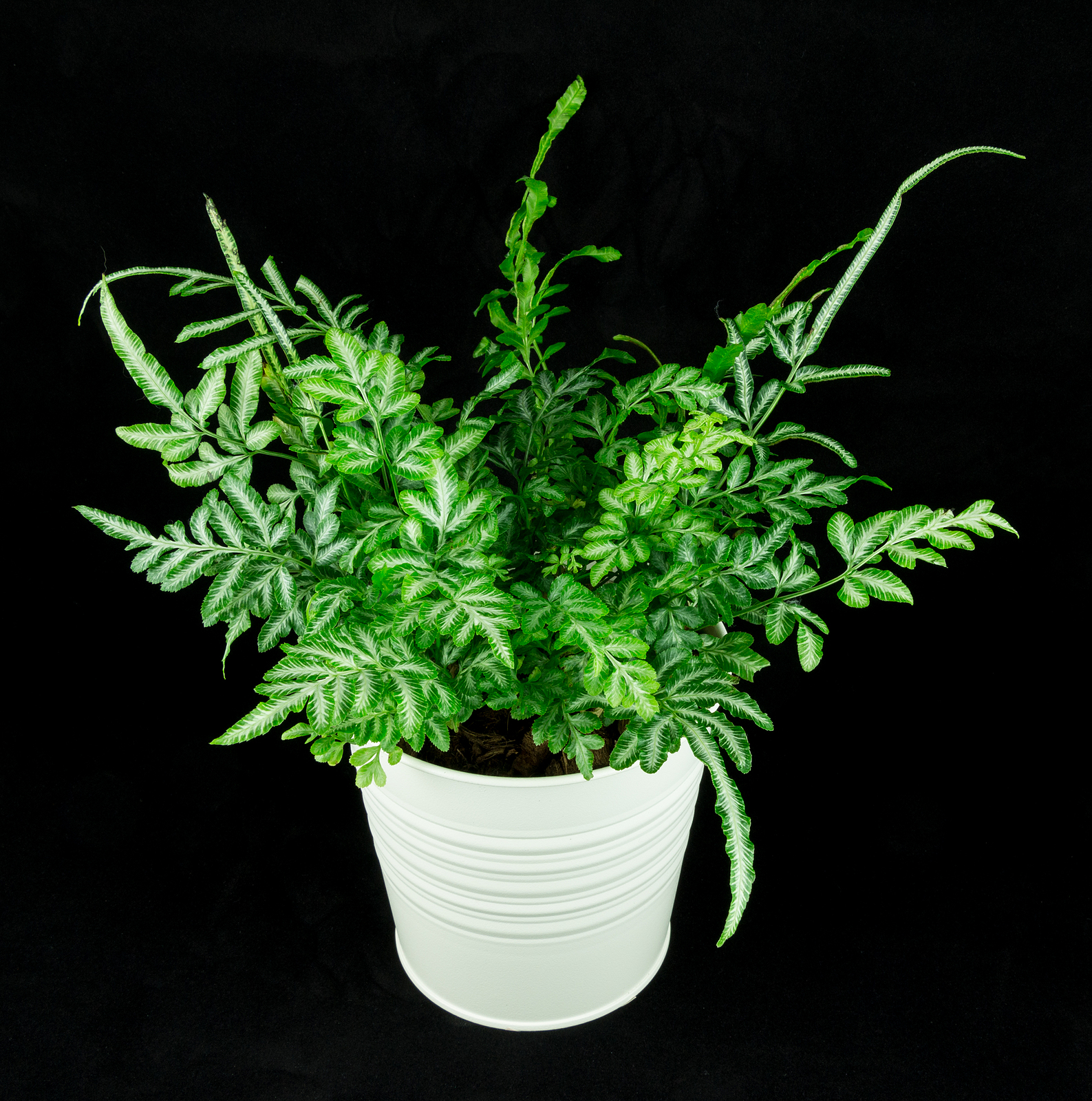
Pteris–commonly called table fern–is a small, upright fern that grows to about 20 inches (50cm) or more tall. Pteris has blackish or green stalks that bear solid green or striped feathery fronds to 24 inches long and 12 inches wide.
Pteris is a long-lasting and easy to care for fern. It is commonly grown as a houseplant. In tropical regions it can be grown in a shady garden; it can be featured in a mixed foliage planting.
Pteris is a genus of about 280 trerrestrial fern. Pteris is found in tropical and subtropical forests throughout the world.
Get to know Pteris
- Plant type: Fern
- Growing zones and range: Zones 10-11
- Hardiness: Tender
- Optimal growint temperature: day 68° to 75°F (20°-24°C), night 55° to 60°F (13°-16°C)
- Height and width: 36 to 60 inches (1-2m) tall, 16 to 60 inches (40-150cm) wide
- Foliage: Erect, feathery fronds from 12 to 36 inches (30-91cm) tall
- Uses: Feature in outdoor tropical gardens, houseplant
- Common name: Table fern, brake
- Botanical name: Pteris
- Family name: Pteridaceae
- Origin: Tropical and subtropical forests throughout the world
Where to plant Pteris
- Light indoors: Plant Pteris in partial or deep shade.
- Light indoors: Grow indoor in filtered bright light, no direct sun, from northern or eastern exposure. Grows well under artificial light, needing 12 light-hours daily.
- Soil outdoors: Plant in humus-rich, well-drained soil.
- Soil indoors: Plant in a fern mix wit good drainage.
When to plant Pteris
- Set Pteris outdoors in tropical regions any time of the year.
Planting and spacing Pteris
- Space Pteris 16 to 60 inches (40-150cm) apart.
How to water and feed Pteris
- Water Pteris freely during the growing season. Keep the soil evenly moist.
- Indoors mist Pteris twice daily.
- Fertilize Pteris every third or fourth watering during the growing season; use a mild liquid fertilizer.
Pteris care
- Pteris prefers to be potbound; pot on when the roots fill 3/4 of pots space.
- Remove unattractive older fronds on the outside of the clump.
- Clean fronds gently with clear water.
Growing Pteris as a houseplant
- Give Pteris limited to bright light or grow it under fluorescent light.
- Provide an average temperature and medium humidity.
- Keep the soil evenly moist but not wet and soggy.
- Fertilize Pteris once a month during spring and summer.
Pteris pests and diseases
- Pteris can be damaged by aphids, mealybugs, scale insects, and root rot.
Pteris propagation
- Propagate Pteris by division of roots; pot in a fern soil mix.
- Spores can be collected from the undersides of fronds when they mature.
Pteris varieties to grow
- Pteris cretica, ribbon feern, Cretan brake fern. Narrow, bright green leaflets with ribbonlike appearache grow to 12 inches long from black stalks.
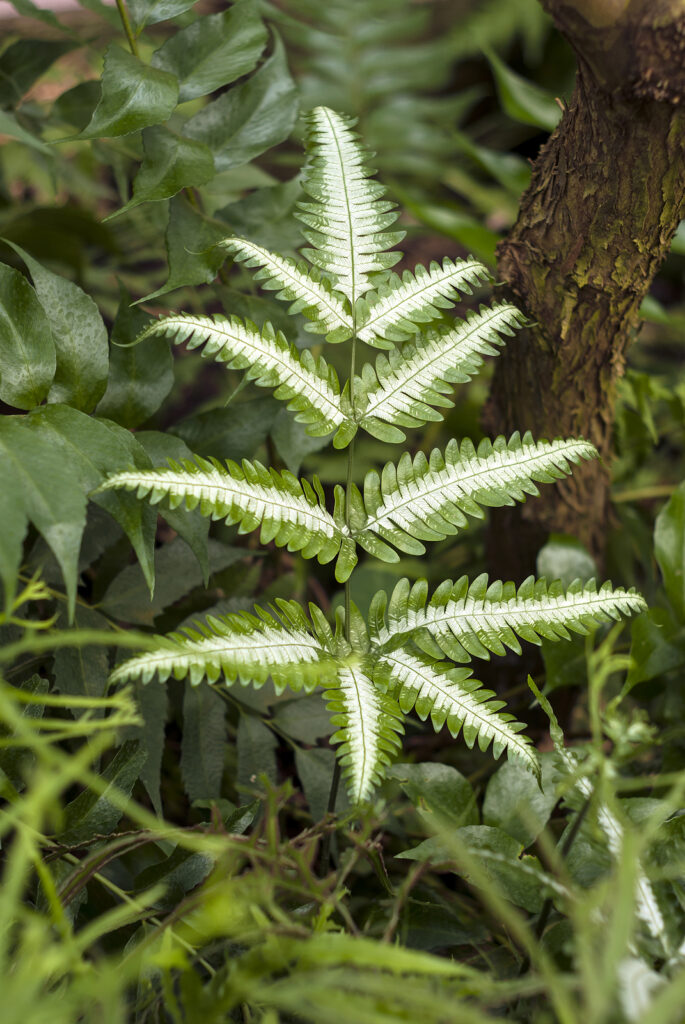
- P. ensiformis. Grows to 20 inches; triangular fronds and narrow leaflets; cultivar ‘Victoriae’, silver leaf fern has silver-white leaflests with green margins.
- P. quadriaurita ‘Tricolor’, painted brake. Divided fronds to 3 feet long with wiry black stems; cultivar ‘Argyrea’, sliver-lace fern, has silver midrib.
- P. tremula, Australian brake fern. Rapid growth; feathetry fronds to 36 inches long.