How to Grow Hepatica

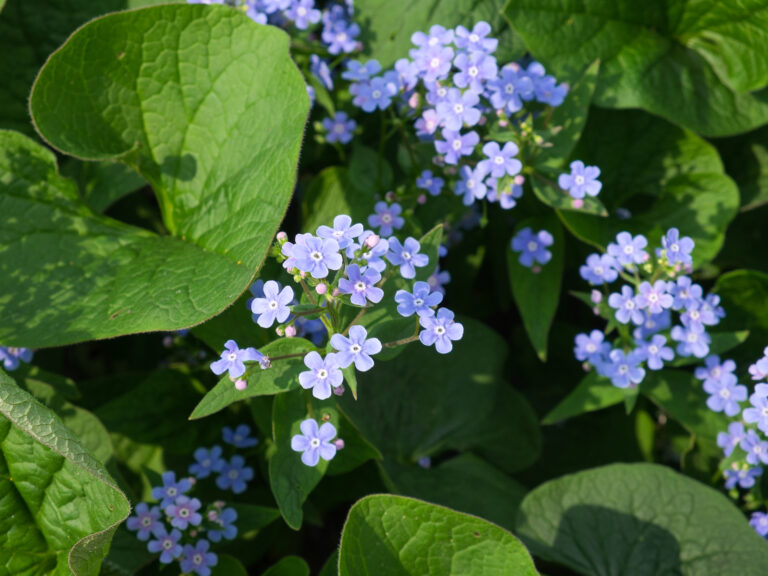
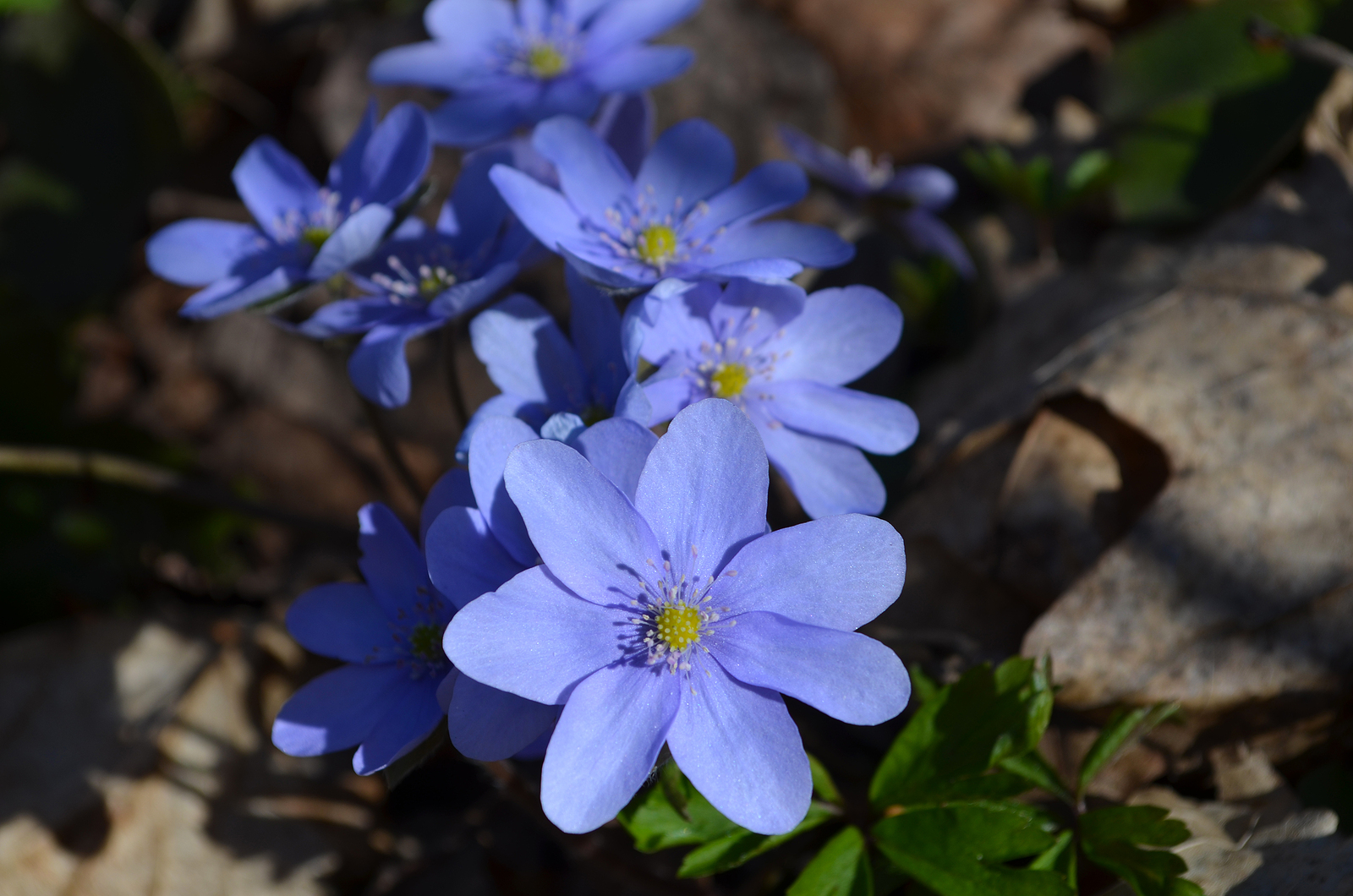
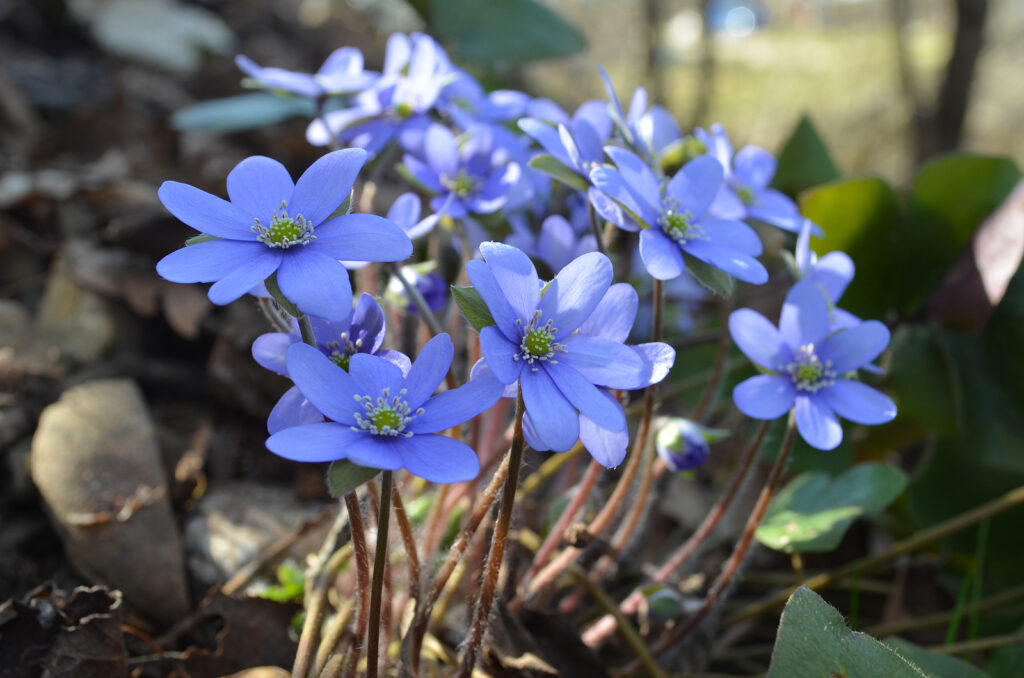
Hepatica is a spring-flowering perennial that bears bowl- to star-shaped flowers. The flowers usually open before the leaves have fully developed. Flowers can be white, blue, pink, or pale purple.
Hepatica is native to woodlands in Northern temperate climates. It is a good choice for a shade or woodland garden or a shady spot in a rock garden. Hepatica grows to no more than 6 inches tall.
Hepatica has kidney-shaped, 3 to 5 lobed simple or toothed dark green basal leaves that can sometimes be marbled silver or white. The flowers are brightly colored with petal-like sepals with a 3-leaf bract beneath.
Hepatica is a genus of about 10 species of spring-flowering perennials.
Know What to Plant This Week
Every week I answer the gardener's most important question: what should I plant now? Get seasonal planting advice free — or go Pro for my full Soil Temperature Garden Report, with soil temperature, moisture, weather trends, and crop-by-crop recommendations.
Get to know Hepatica
- Plant type: Perennial
- Growing zones and range: Zones 5-8
- Hardiness: Hardy to Zone 5
- Height and width: 3 to 6 inches tall and wide
- Foliage: Kidney-shaped, 3- to 5-lobed, simple or toothed, dark green basal leaves
- Flowers: Cup or bowl-shaped flowers from 1 to 3 inches across; petal-like sepals with bract beneath
- Bloom time: Spring
- Uses: Shade,, rock or woodland garden
- Common name: Hepatica
- Botanical name: Hepatica
- Family: Ranunculaceae
- Origin: Northern temperate woodlands
Where to plant Hepatica
- Hepatica grows best in partial shade.
- Plant Hepatica in humus-rich, well-drained soil. Hepatica grows well in heavy soil.
When to plant Hepatica
- Set container-grown Hepatica outdoors in spring or autumn.
- Hepaticas do not transplant easily.
Planting and spacing Hepatica
- Space Hepatica 6 inches apart.
How to water and feed Hepatica
- Water Hepatica to keep the soil evenly moist.
- Fertilize Hepatica with an all-purpose organic fertilizer in spring.
Hepatica care
- Top-dress each year with leaf mold or compost n autumn or in spring after flowering.
Hepatica pests and diseases
- Rust and leaf smut can occur.
- Young plants are susceptible to attack by snails and slugs.
Hepatica propagation
- Sow seed as soon as ripe.
- Divide Hepatica in spring; divisions are slow to establish.
Hepatica varieties to grow
- Hepatica acutiloba, sharp-leaved hepatic. Slow-growing pernnial; grows to 3 inches tall and 6 inches wide; deeply cut lobed leaves; cup-shaped blue, pink, or white flowers.
- H. nobilis. Slow growing perennial; dome-shaped with kidney-shaped mid-green leaves; open bowl-shaped white, pink, blue, or blue-purple leaves; grows to 4 inches tall and 6 inches wide.
- H. transssilvanica. Grows to 6 inches tall and wide; scalloped leaves; open, bowl-shaped blue, white or very pale pink flowers.