How to Grow Carpenteria — Bush Anemone

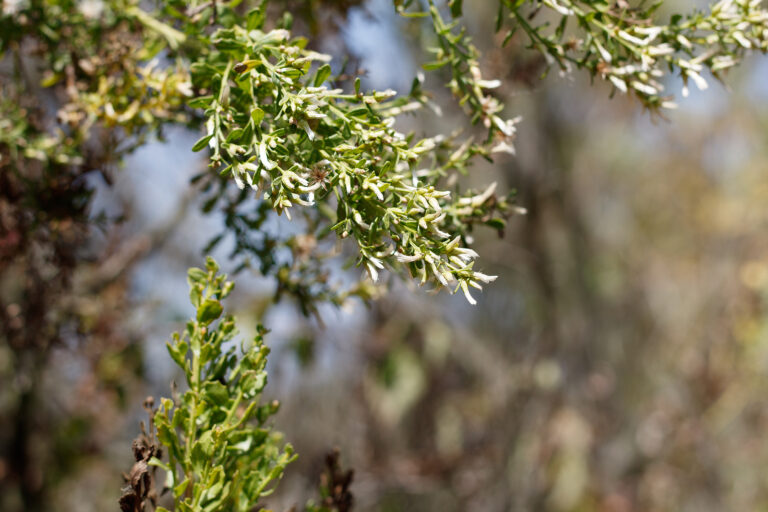
Carpenteria, commonly called bush anemone, is an evergreen shrub with handsome leathery glossy leaves and showy cup-shaped white flowers with yellow centers. Carpenteria flowers look much like anemone flowers.
Carpenteria is very decorative. The older bark is light-colored and peeling; new shoots are purplish. The thick, narrow leaves are dark green above, whitish beneath. The anemone-like flowers are lightly scented.
Carpenteria is slow-growing to 3 to 6 feet tall, with many stems rising from base.
Carpenteria is a genus of just one species. It is native scrubby slopes and pine forests in the foothills of Central California.
Know What to Plant This Week
Every week I answer the gardener's most important question: what should I plant now? Get seasonal planting advice free — or go Pro for my full Soil Temperature Garden Report, with soil temperature, moisture, weather trends, and crop-by-crop recommendations.
Get to know Carpenteria
- Plant type: Evergreen shrub
- Growing zones and range: Zones 8 and 9
- Hardiness: Hardy to Zone 8; in marginal climates, grow against warm wall.
- Height and width: 6 feet (2m) tall and wide
- Foliage: Thick, narrow leaes are dark green, above, witish beneath to 4 inches long
- Flowers: Shallow, cup-shaped anemone-like white flowers with yellow centers
- Bloom time: Late spring and summer
- Uses: Shrub border
- Common name: Bush anemone
- Botanical name: Carpenteria
- Family name: Hydrangeaceae
- Origin: California

Where to plant Carpenteria
- Plant Carpenteria in full sun or light shade.
- Grow Carpenteria in well average garden soil that is well-drained.
- Carpenteria will withstand drought once established.
- Carpeneria has a deep root system and is best planted where it will not need to be moved.
When to plant Carpenteria
- Set container-grown Carpenteria in the garden in sprng or autumn.
- Matrue Carpenteria can be somewhat difficult to transplant.
Planting and spacing Carpenteria
- Space Carpenteria 6 feet (2m) apart.
How to water and feed Carpenteria
- Keep the soil just moist for best growth. Mature plants can will grow with little water.
- Fertilize Carpenteria with an all-purpose, slow-release, organic fertilizer in spring.
Carpenteria care
- Prune after flowering to shape or restrain growth.
- Remove the oldest flowered shoots occasionally from the base; this will help shape the plant and encourage new growth.
Carpenteria pests and diseases
- Fungal leaf spot can be a problem.
Carpenteria propagation
- Propagate Carpenteria by softwood cuttings in summer or by layering.
- Sow seed in warm soil in autumn or spring.
- Root greenwood or semi-ripe cuttings in summer.
Carpenteria varieties to grow
- Carpenteria californica. Bush anemone. Evergreen shrub grows slowly to about 6 feet tall and wide and has light brown, peeling bark; leathery leaves are lance-shaped to narrow ovals 4 to 5 inches long; fragrant white shallow, cup-shaped, five-petaled flowers to 3 inches across bloom mid- to late summer.
Recommended articles:
- 20 Perennials That Bloom for 6 to 8 Weeks
- Shrubs with Showy Flowers Season-by-Season
- Trees in Garden Design
- Growing Annuals for Summer Bloom
- Trees—click here for more articles
- Shrubs—click here for more articles
- Perennials—click here to see more
- Annuals—click here to see more