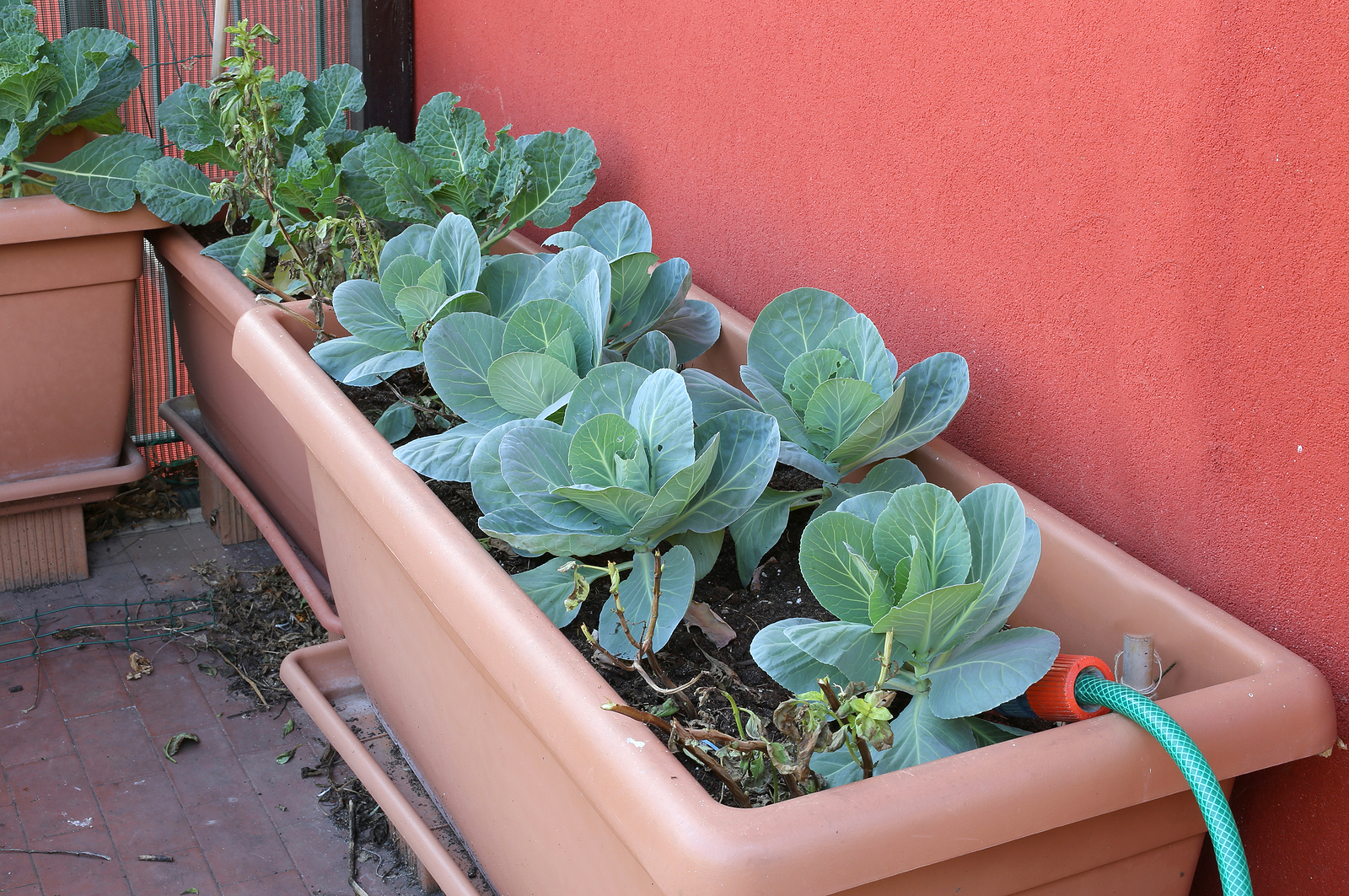
How to Grow Cabbage in Containers: A Complete Guide

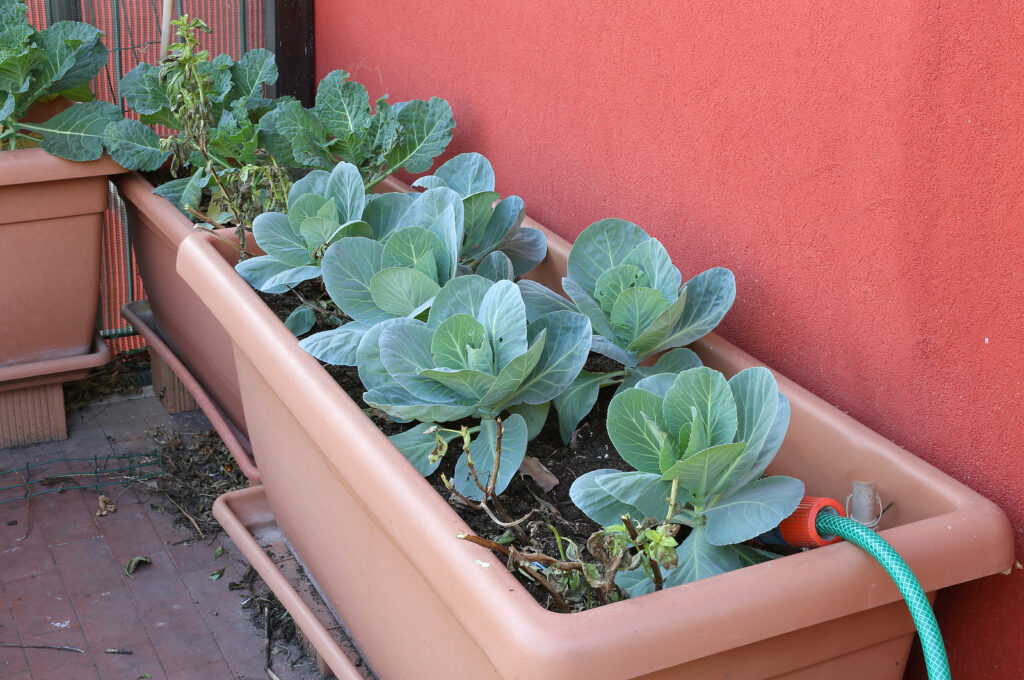
Cabbage isn’t just for large garden beds—you can grow compact, flavorful heads right on a patio, balcony, or small backyard using containers. In over 30 years of container and raised-bed gardening, I’ve learned that cabbage grown in pots can be just as tender and sweet as those in the ground—if you start with the right container, soil, and care plan.
1. Choose the Right Variety
Compact or early-maturing varieties work best for container growing:
- Golden Acre – Small, round heads ready in 60–65 days.
- Primo – Tight, sweet heads perfect for limited space.
- Early Jersey Wakefield – Pointed heads with excellent flavor.
My insight: I’ve had consistent success with Golden Acre in 5-gallon pots—it stays compact and produces crisp leaves without crowding.
2. Select the Best Container
- Size: At least 5 gallons per plant; 12–14 inches deep.
- Material: Food-safe plastic, ceramic, or fabric grow bags.
- Drainage: Essential—ensure the pot has multiple holes to prevent root rot.
3. Use High-Quality Soil
- Choose a premium vegetable container mix with compost for nutrients and perlite for aeration.
- Avoid using garden soil alone—it compacts and limits root growth.
4. Planting and Spacing
- Start seeds indoors 6–8 weeks before the last frost.
- Transplant one cabbage seedling per container.
- Bury stems up to the first leaves for stability.
5. Watering and Feeding
- Water: Keep soil evenly moist; containers dry faster than garden beds.
- Fertilize: Use a balanced liquid feed every 2–3 weeks, switching to a high-potassium fertilizer as heads form.
My insight: In warm Sonoma Valley (Zone 9) springs, I water potted cabbage daily; in cooler weather, every 2–3 days is enough.
6. Pest Protection
- Use floating row covers to protect from cabbage worms and flea beetles.
- Inspect leaves regularly and remove pests by hand if needed.
7. Harvesting
- Harvest when heads are firm and reach the desired size.
- Cut just above the outer leaves; small side heads may form for a bonus harvest.
My takeaway:
Container-grown cabbage can be just as rewarding as in-ground crops, especially for small spaces. With the right pot size, nutrient-rich soil, and consistent watering, you can enjoy sweet, crisp cabbage from your patio or balcony.
Cabbage Container Growing Schedule
| Season | Start Seeds Indoors | Transplant to Containers | Harvest Window | Notes |
|---|---|---|---|---|
| Spring Crop | 6–8 weeks before last frost | 2–4 weeks before last frost | Late spring–early summer | Choose early-maturing, compact varieties like Golden Acre. |
| Summer Crop (cool climates only) | 12–14 weeks before first fall frost | Late spring | Mid–late summer | Provide afternoon shade and consistent watering to prevent bolting. |
| Fall Crop | 12–14 weeks before first frost | 8–10 weeks before first frost | Mid–late fall | Cool nights enhance flavor; choose storage varieties. |
| Winter Crop (mild climates, Zones 9–11) | 8–10 weeks before mild winter begins | Late fall | Winter–early spring | Protect from frost with covers; ideal for coastal climates. |
Pro tip:
In my Sonoma Valley garden (Zone 9), I start my spring container cabbage in mid-January indoors and transplant in late February. For fall crops, I sow in late June and transplant by mid-July. I’ve found that container cabbage matures 1–2 weeks earlier than in-ground crops because pots warm up faster in the sun.
Cabbage Learning Hub
🥬 Start Here: The Ultimate Cabbage Growing Guide: From Seed to Harvest
🌿 Planting & Timing
- Cabbage Seed Starting Tips
- When to Plant Cabbage: Timing for Spring, Summer, and Fall Crops
Covers zone-based timing, transplant vs. direct sow. - How to Grow Spring Cabbage for Early Harvests
“Spring cabbage growing” – high seasonal interest. - How to Grow Cabbage in Containers: A Complete Guide
Perfect for urban/small-space gardeners. Include spacing, soil depth, and feeding. - How to Space and Thin Cabbage for Tight, Heavy Heads
Spacing is a common problem leading to poor heads or bolting.
How to Plant, Grow, and Harvest Chinese Cabbage
🦟 Pests, Diseases & Troubleshooting
- Common Cabbage Pests and How to Get Rid of Them Naturally
Aphids, cabbage worms, flea beetles, cutworms. - Why Is My Cabbage Splitting? Causes and Fixes for Cracked Heads
Very specific problem; here’s why this happens. - How to Prevent Bolting in Cabbage and Other Brassicas
Seasonal temperature swings confuse many gardeners.
💧 Care & Growing Tips
- How Much Water Does Cabbage Need? A Seasonal Watering Guide
“How often to water cabbage” queries are common. - How to Fertilize Cabbage for Leaf Growth and Head Formation
Discuss starter fertilizer, side-dressing, nitrogen balance.
What to plant with cabbage. - Common Cabbage Pests and Diseases and How to Treat Them Naturally
🧊 Harvesting, Storage & Preservation
- How to Harvest and Store Cabbage
- How and When to Harvest Cabbage for Peak Flavor and Texture
Includes signs of readiness and how to cut heads without damagin - Best Companion Plants for Cabbage (And What to Avoid)g the plant.
🥗 In the Kitchen & Beyond
- Seven Ways to Cook and Serve Cabbage
- Five Ways to Cook and Serve Chinese Cabbage
- Four Ways to Cook and Serve Napa Cabbage
🌱 Varieties & Seed Saving
- Best Cabbage Varieties for Your Climate and Growing Zone
Optimized for zone-specific growing.
- Savoy, Napa, and Red: Which Type of Cabbage Should You Grow?
Comparative format — helpful for new gardeners. - Growing Green Cabbage vs. Red Cabbage: The Differences
- Oriental Mustard Cabbage Explained: White Stalks vs. Green Stalks