How to Grow Anisodontea – Cape Mallow

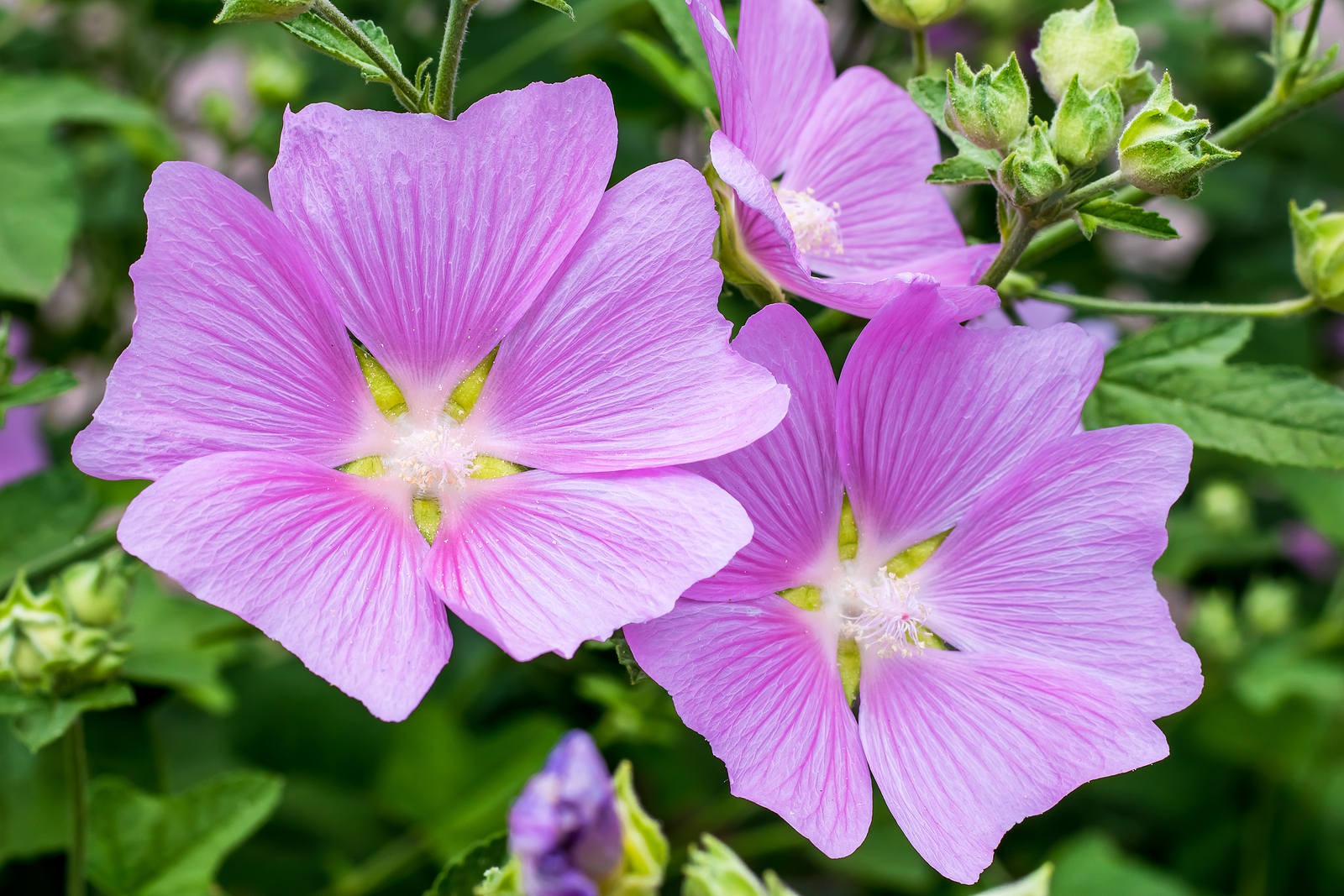
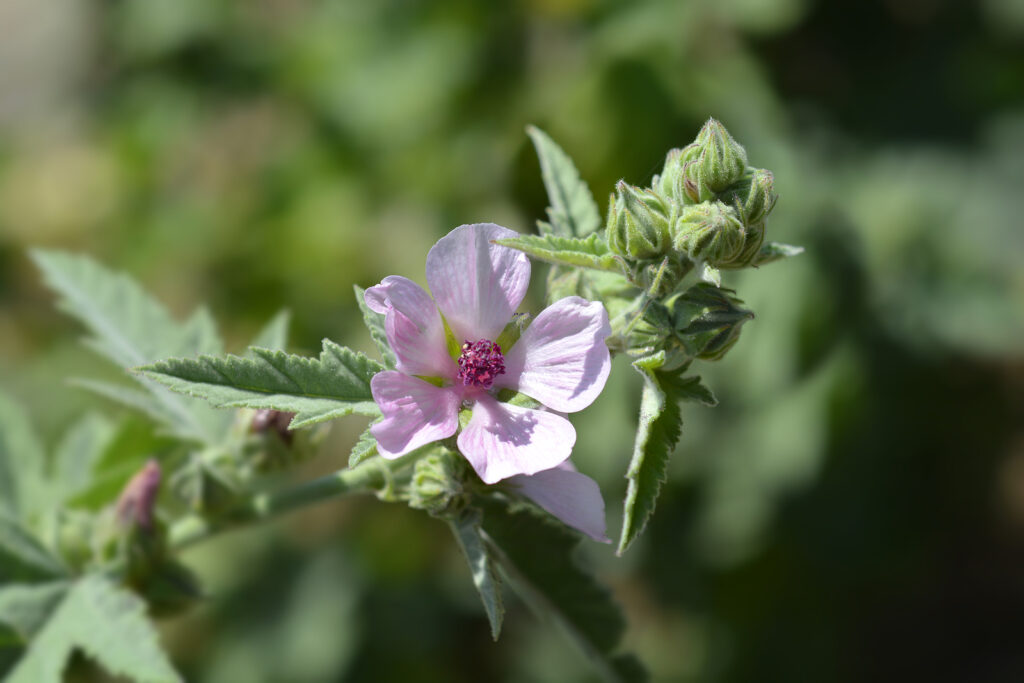
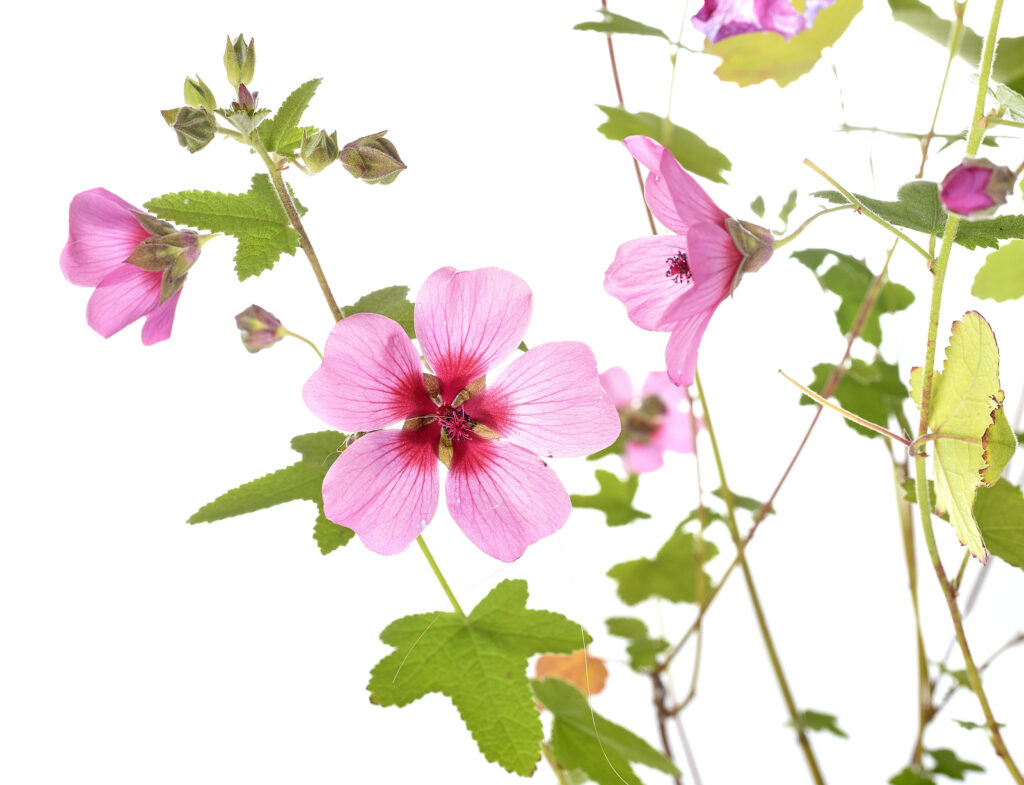
Anisodontea–commonly called cape mallow–is a quick-growing woody-perennial or shrub that bears spray of bowl-shaped pink or purplish-pink bowl-shaped flowers that look much like miniature hollyhocks.
Anisodontea has an open and freely branching habit. The ovate and often 3-palmate leaves are tender and soft green. In warm, not hot, weather Anisodontea fills out nicely and can be covered with flowers.
Anisodontea is a good choice for an informal hedge or border. In frost-free regions, it can be trained as a standard. Anisodontea can be grown in containers and overwintered indoors where winters are cold.
Anisodontea is a genus of 19 species of woody perennials and shrubs. Anisodontea is native to South Africa.
Know What to Plant This Week
Every week I answer the gardener's most important question: what should I plant now? Get seasonal planting advice free — or go Pro for my full Soil Temperature Garden Report, with soil temperature, moisture, weather trends, and crop-by-crop recommendations.
Get to know Anisodontea
- Plant type: Evergreen shrubs
- Growing zones and range: Zones 9 to 11
- Hardiness: Hardy to Zone 9; will be damaged by frost
- Height and width: 3 to 6 feet (1-2m) tall and wide
- Foliage: Linear, ovate, or lobed leaves are a soft green and slightly hairy
- Flowers: Bowl-shaped pinkish or purple-pink hollyhock-like flowers are borne throughout mild weather, year-round in mildest climates.
- Bloom time: Summer to autumn
- Uses: Shrub perennial borders or in large containers.
- Common name: Cape mallow
- Botanical name: Anisodontea
- Family name: Malvaceae
- Origin: South Africa
Where to plant Anisodontea
- Plant Anisodontea in full sun in areas with cool summers. Plant where there is late afternoon shade where summers are hot. plants tend to stop blooming during the heat of summer.
- Plant Anisodontea in humus-rich, well-drained soil.
When to plant Anisodontea
- Set container-grown Anisodontea in the garden in spring or autumn.
- Sow seeds indoors in late winter; they will germinate at 55° to 65°F.
Planting and spacing Anisodontea
- Space Anisodontea 3 to 6 feet (1-2m) apart.
How to water and feed Anisodontea
- Water Anisodontea regularly in spring and summer when the plants are growing actively. Gradually withhold water in fall and keep plants on the dry side over winter.
- Fertilize Anisodontea monthly with a balanced fertilizer durng the growing season.
Anisodontea care
- Remove seed heads regularly to keep Anisodontea blooming.
Anisodontea pests and diseases
- Anisodontea is susceptible to spider mites, whiteflies, and apids.
Anisodontea propagation
- Sow Anisodontea seeds indoors in late winter and germinate at 55° to 65°F.
- Root semi-ripe cuttings with bottom heat in early summer.
Anisodontea varieties to grow
- Aisodontea capensis. Grows to 6 feet tall with 1-inch lobed leaves and 1-inch purplish-pink flowers with deep veining and a dark basal spot. Probably identical to A. hypomandarum.
- A. hypomandarum. Grows to 6 feet or taller with 1 ½-in. leaves; bears inch-wide pink flowers with dark veins and eyes; slowering is continuous and profuse. Sometimes trained as single-trunk standards. Cultivar ‘Tara’s Pink’ has larger leaves and larger, lighter flowers.
- A. scabrosa. Grows to 6 feet tall with aromatic leaves 2 ½-3 in. long; bears deep rosy-purple flowers with darker eyespots.