Why Are My Young Plants Yellow? (Causes and Fixes)

Yellowing young plants are one of the most common—and fixable—garden problems. When seedlings or transplants lose their green color, they’re telling you something is off. The key is identifying the cause early and correcting it before growth stalls.
After 30+ years of gardening in the Sonoma Valley, a Zone 9b climate, I’ve found that most yellowing comes down to just a handful of issues: water, nutrients, roots, or temperature stress. Here’s how to diagnose and fix each one quickly.
🌱 What Yellow Leaves Mean
Healthy young plants should be a vibrant green. Yellowing (called chlorosis) usually means:
- The plant can’t take up nutrients
- Roots are stressed or damaged
- Growth has slowed due to environment
The pattern of yellowing gives you clues.
🟡 1. Overwatering (Most Common Cause)
Symptoms:
- Pale yellow leaves starting at the bottom
- Soft, droopy plants
- Soil stays wet for days
Why it happens:
Roots need oxygen. Waterlogged soil suffocates roots, stopping nutrient uptake.
Fix:
- Let the top 1–2 inches of soil dry before watering again
- Improve drainage (loosen soil or use a better potting mix)
- Water less often, but deeply
👉 Experience tip: In raised beds, I water deeply, then wait until the surface dries. Constant light watering causes more yellowing than drought.
Related post: How Often to Water Vegetable Gardens in Spring
🟡 2. Underwatering
Symptoms:
- Yellowing with dry, crispy edges
- Wilting during the day
- Soil pulls away from container edges
Why it happens:
The plant shuts down non-essential growth when it lacks water.
Fix:
- Water deeply until soil is evenly moist
- Check moisture 2–3 inches down, not just the surface
- Mulch to hold moisture
🟡 3. Nitrogen Deficiency
Symptoms:
- Older leaves turn light green → yellow
- Slow, stunted growth
- Thin stems
Why it happens:
Nitrogen fuels leafy growth. Young plants use it quickly.
Fix:
- Apply a balanced fertilizer or nitrogen-rich feed (fish emulsion, compost tea)
- Side-dress with compost
👉 Experience tip: In my beds, a light compost layer at planting prevents this almost entirely.
Related post: Organic Fertilizers and Soil Amendments
🟡 4. Transplant Shock
Symptoms:
- Yellowing soon after planting
- Leaves may droop or stall
- Little new growth for 1–2 weeks
Why it happens:
Roots are disturbed during transplanting and temporarily stop functioning well.
Fix:
- Keep soil evenly moist (not wet)
- Provide temporary shade for a few days
- Avoid fertilizing immediately—wait until new growth appears
Related post: Transplant Shock: Why Your Plants Stall After Planting (And How to Prevent It)
🟡 5. Poor Drainage or Compacted Soil
Symptoms:
- Persistent yellowing despite watering adjustments
- Slow growth
- Soil feels dense or sticky
Why it happens:
Roots can’t expand or access oxygen.
Fix:
- Loosen soil before planting
- Add compost to improve structure
- Use raised beds or mounded rows
🟡 6. Cold Stress
Symptoms:
- Yellow or purplish leaves
- Plants stop growing
- Common in early spring
Why it happens:
Cold soil slows root function and nutrient uptake.
Fix:
- Wait for warmer soil before planting warm-season crops
- Use row covers or cloches
- Plant at the proper seasonal window
👉 Experience tip: Tomatoes and peppers in cold soil almost always yellow before they grow.
🟡 7. Lack of Sunlight
Symptoms:
- Pale yellow-green leaves
- Leggy, stretched plants
- Weak stems
Why it happens:
Plants need sunlight to produce chlorophyll.
Fix:
- Move to full sun (6–8+ hours daily)
- Thin crowded plantings
- Avoid shading from larger crops
🟡 8. Root Damage (Pests or Handling)
Symptoms:
- Sudden yellowing and wilting
- Plant may collapse
- Little resistance when pulled
Why it happens:
Cutworms, grubs, or rough transplanting damage roots.
Fix:
- Inspect soil for pests
- Replant if damage is severe
- Protect stems with collars if cutworms are present
🌿 Quick Diagnosis Chart
- Yellow + soggy soil → Overwatering
- Yellow + dry soil → Underwatering
- Yellow older leaves first → Nitrogen deficiency
- After transplanting → Transplant shock
- Cold weather → Temperature stress
- Leggy + pale → Not enough sun
🌱 How I Prevent Yellowing
In my Zone 9b garden, I prevent most yellowing by focusing on three things:
- Soil first – I plant into compost-rich, well-drained beds
- Deep, spaced watering – Not frequent shallow watering
- Right timing – I match crops to the season
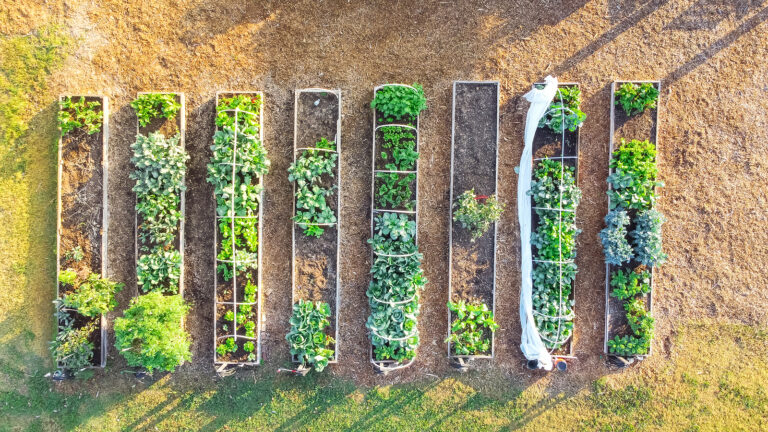
Using my narrow bed, equidistant planting system, plants establish quickly and shade the soil, reducing both moisture stress and nutrient loss.
❓ Q&A: Yellowing Young Plants
Q: Will yellow leaves turn green again?
A: Usually no. Once a leaf turns yellow, it rarely recovers. Focus on new healthy growth.
Q: Should I fertilize yellow plants right away?
A: Only if you’re sure it’s a nutrient issue. Overwatering or cold stress won’t be fixed with fertilizer.
Q: How long does transplant shock last?
A: Typically 5–14 days. New growth is the sign of recovery.
Q: Can too much fertilizer cause yellow leaves?
A: Yes. Excess salts can damage roots, leading to yellowing. Flush soil with water if overfed.
Q: Why are my seedlings yellow indoors?
A: Most often lack of light. Move them to stronger light or use grow lights.
🌿 Bottom Line
Yellowing young plants are a signal—not a mystery. Check water, soil, nutrients, and temperature, and you’ll usually find the cause quickly. Correct it early, and your plants will recover fast and grow strong.