Where to Grow Lettuce: Beds, Containers, Indoors & More

Lettuce is one of the most versatile vegetables you can grow. Whether you have a large backyard garden, a small patio, or even just a sunny windowsill, you can find a place to grow fresh, crisp lettuce almost year-round. With over 30 years of personal experience growing lettuce in raised beds, containers, cold frames, and indoors under lights, I can tell you this: location matters. Your growing spot influences how fast your lettuce grows, how tender the leaves are, and how often you can harvest.
In this post, I’ll break down the best places to grow lettuce and share real-world tips to help you choose the right setup for your space, climate, and growing goals.
1. Raised Beds: My Favorite Option
Best for: Most home gardens, high yields, spring and fall crops
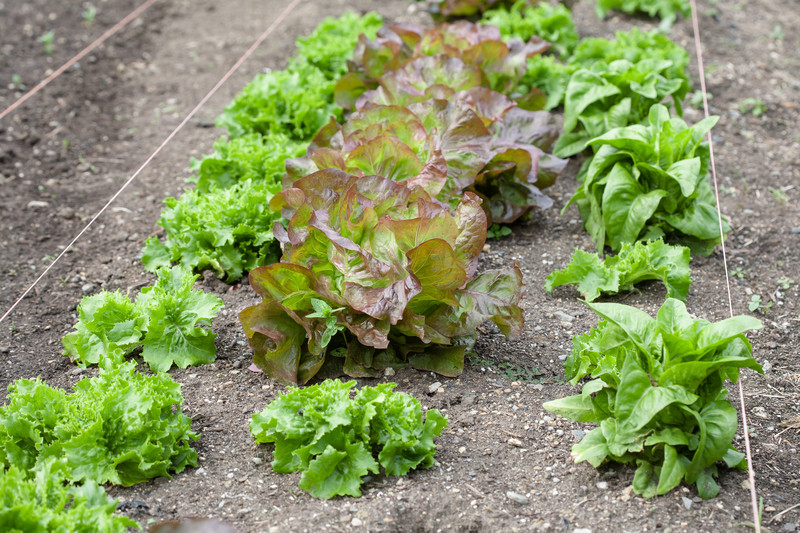
Raised beds are my go-to for growing lettuce. They offer excellent drainage, warm up quickly in spring, and allow for dense planting in wide rows. I use the NEW method—Narrow beds, Equidistant planting, in Wide rows—which makes harvesting easy and maximizes yield per square foot.
Insight:
In my Sonoma Valley garden (Zone 9), I can sow lettuce in raised beds as early as February and continue into late October, depending on the weather. The elevated soil warms quickly in spring and cools off faster in fall—perfect for lettuce’s cool-season preferences. When I live in eastern Iowa (Zone 5) I sowed lettuce outdoors in April.
Tip: Use shade cloth in summer or plant between taller crops like tomatoes to protect lettuce from excess heat.
2. Ground-Level Garden Beds
Best for: Larger gardens, loose soil, in-ground growers
If you have fertile, well-drained soil, you can grow lettuce directly in the ground. Just make sure the soil is loose to about 6 inches deep. Add compost or aged manure to enrich the soil before planting.
Tip: Avoid low spots that stay soggy—lettuce roots don’t like to sit in wet soil.
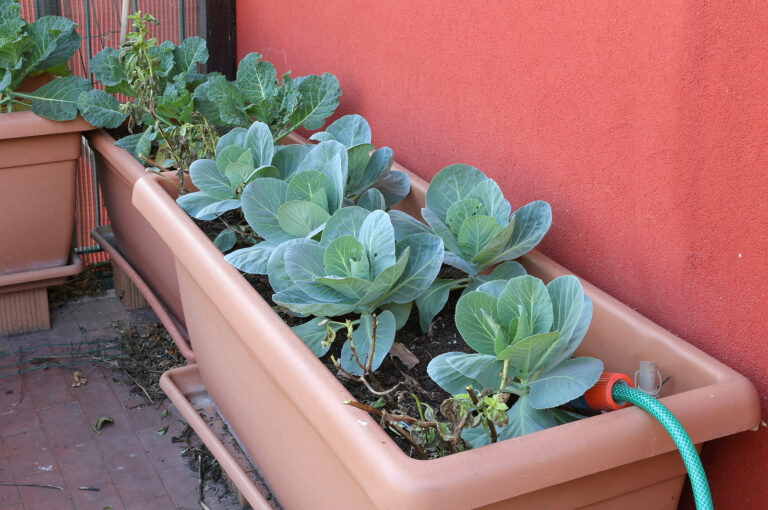
3. Containers: Great for Small Spaces
Best for: Patios, balconies, decks, small-space gardening
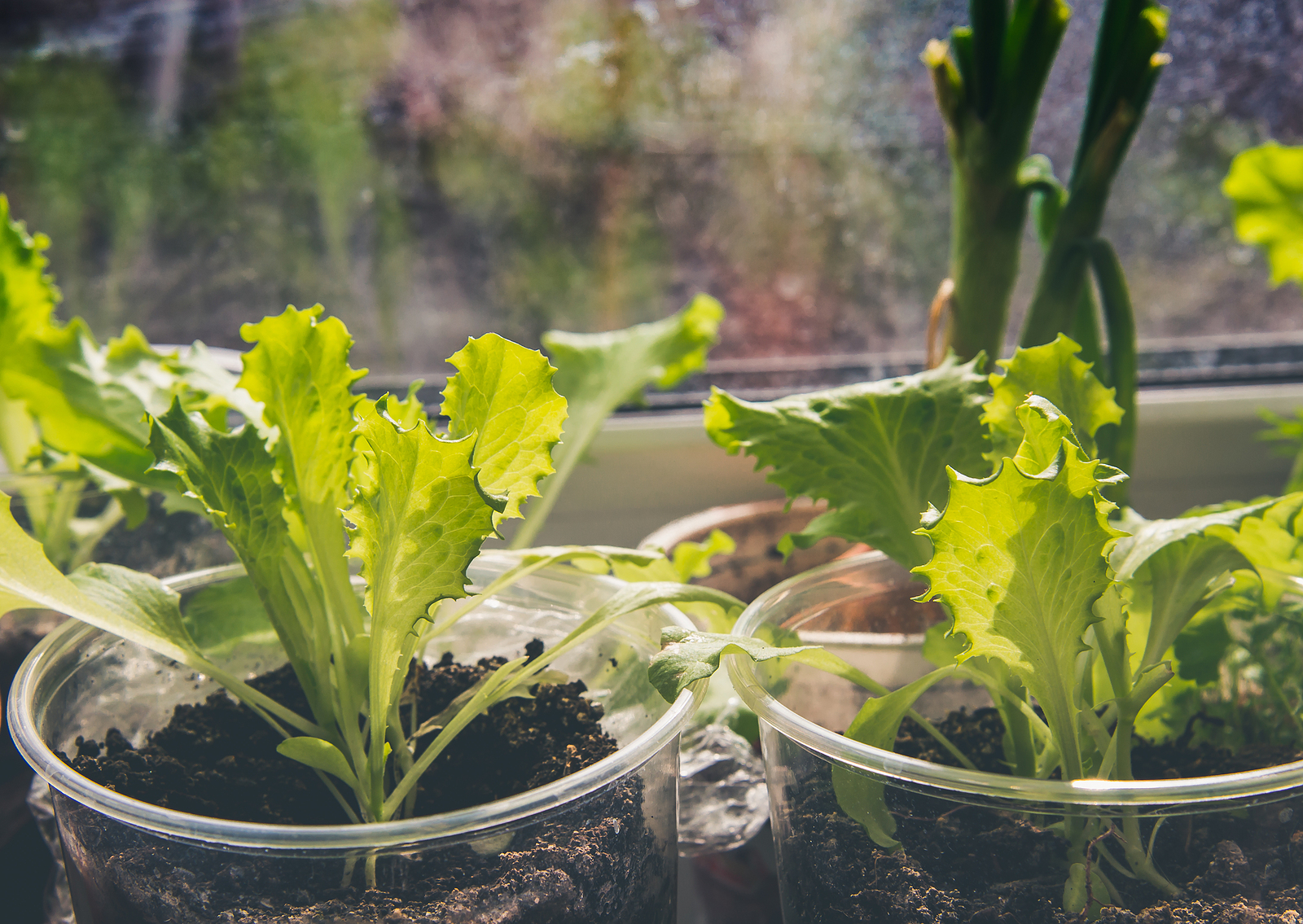
Lettuce thrives in containers. In fact, many lettuce varieties—especially looseleaf types—grow exceptionally well in shallow pots, window boxes, or wide planter bowls. I regularly grow baby lettuce in 6-inch deep trays or 12-inch wide pots on my patio.
Container Setup Checklist:
- Use a container at least 6 inches deep.
- Choose potting mix, not garden soil.
- Water consistently—containers dry out faster than beds.
- Place in a spot with 4–6 hours of sun daily.
Personal Tip: In hot weather, I move containers into filtered sunlight to prevent bolting and bitter leaves.
4. Indoors Under Lights
Best for: Year-round lettuce, winter greens, apartments
Growing lettuce indoors is surprisingly easy with a basic grow light setup. I keep a shallow tray of baby greens growing under lights in my laundry room all winter. Lettuce doesn’t need intense light or high temperatures, making it ideal for indoor gardens.
What You’ll Need:
- LED grow light (12–14 hours/day)
- Shallow tray or pot with drainage
- Seed starting or potting mix
- Looseleaf or cut-and-come-again varieties
Insight:
I’ve grown lettuce indoors for over a decade during the rainy season. I often harvest baby greens in under 30 days. Indoors, there’s no worry about pests, slugs, or unpredictable weather.
5. Cold Frames and Hoop Tunnels
Best for: Extending the growing season, fall-to-winter lettuce
Cold frames and hoop tunnels are excellent for overwintering lettuce or protecting seedlings in early spring. These structures trap heat and protect against frost while allowing airflow during the day.
Tip: Vent cold frames on warm days to prevent overheating—lettuce prefers cool, not hot, growing conditions.
6. Vertical Planters and Wall Gardens
Best for: Urban gardens, limited space
Lettuce’s shallow roots and compact habit make it perfect for vertical gardening systems. Whether you use stacked planters, wall pockets, or hanging baskets, you can grow salad greens in tight quarters.
Personal Tip: Water frequently—vertical setups dry out fast—and fertilize every 2 weeks with a diluted organic feed.
Final Thoughts
Lettuce is a flexible, forgiving crop that adapts to many growing environments. Whether you plant in raised beds, patio containers, cold frames, or an indoor shelf, you can enjoy fresh salad greens nearly year-round. With the right setup and a little care, lettuce will reward you with fast, flavorful harvests that are far better than store-bought.
Lettuce Growing Hub
Cluster Posts
🌱 Getting Started: Planting & Varieties
- Types of Lettuce: A Gardener’s Guide to 5 Main Types
- Lettuce Planting Calendar by Season and Region
- Lettuce Seed Starting Tips
- How to Start, Lettuce Indoors: Supplies, Timing, Tips
- How to Plant Lettuce Outdoors: Direct Sowing Tips
- Where to Grow Lettuce: Beds, Containers, Indoors & More
- Growing Lettuce in Containers
- Best Companion Plants for Lettuce: And What to Avoid
🥬 Seasonal Growing Guides
- How to Grow a Fall Lettuce Crop for Cool-Weather Harvests
- Heat-Tolerant and Bolt-Resistant Lettuce Varieties for Summer
- Best Lettuce Varieties for Winter and Cool Weather Growing
- Lettuce Care from Seed to Harvest: A Month-by-Month Guide
💧 Lettuce Care & Maintenance
- Watering Lettuce: How Much and How Often
- Feeding Lettuce: When and How to Fertilize
- Thinning and Spacing Lettuce for Optimal Growth
- Preventing Lettuce Bolting: How to Keep Lettuce From Going to Seed
🌿 Harvest & Beyond
⚠️ Troubleshooting & Special Topics