Watering and Feeding Tomatillos: How to Boost Fruit Production

Tomatillos are naturally productive plants, but with the right watering and feeding routine, you can dramatically increase fruit set and overall yield. After decades of growing tomatillos in Sonoma Valley—often in warm, dry summers—I’ve learned exactly how much moisture they need, when to feed them, and which organic amendments make the biggest difference.
Here’s my experience-based guide to watering and fertilizing tomatillos for strong vines and heavy harvests.
How Tomatillos Use Water and Nutrients
Tomatillos grow quickly once temperatures warm, producing clusters of husk-covered fruits that place a high demand on both water and nutrients. Consistent moisture encourages flower development and prevents blossom drop, while moderate feeding supports healthy foliage and sustained fruit production.
Experience Insight:
In Sonoma’s hot, dry summers, my tomatillos perform best with deep, regular watering and light but steady organic feeding—too much nitrogen leads to leafy plants with fewer fruits.
How to Water Tomatillos for Maximum Fruit Set
Water Deeply, Not Shallowly
- Provide 1–1.5 inches of water per week, either from rainfall or irrigation.
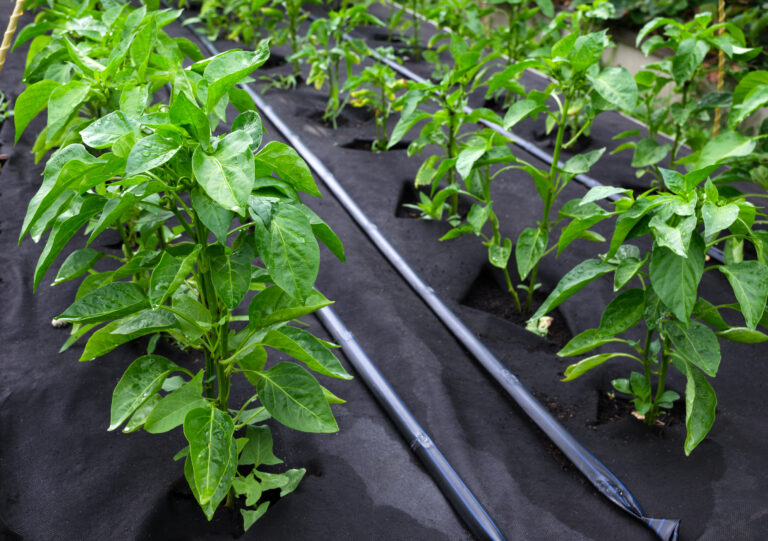
- Water at the root zone, not over the foliage.
What I’ve learned:
Shallow watering encourages shallow roots. Deep watering every 3–4 days produces sturdier plants and better fruiting.
Keep Soil Consistently Moist, Not Wet
- Let the top inch of soil dry slightly before watering again.
- In raised beds, water more frequently during hot stretches.
Use Mulch to Hold Moisture
- Apply a 2–3 inch layer of straw, shredded leaves, or compost.
- Mulch reduces watering needs by up to 30% in my garden.
How to Feed Tomatillos Effectively
Start With Rich Soil
Before planting, work in:
- Compost
- A balanced organic fertilizer (something like 4-4-4)
- A small amount of rock phosphate or bone meal
Experience Insight:
Tomatillos don’t need heavy feeding early on. I focus on soil-building at planting time.
Side-Dress Once Fruits Begin to Form
When tomatillos begin setting fruit (usually 4–6 weeks after transplanting), apply:
- A low-nitrogen fertilizer (such as 2-3-6 or 3-4-5)
- ½–1 cup per plant, scratched lightly into the soil
This boosts fruit development without pushing excess foliage.
Use Liquid Feeds for Fast Support
Every 2–3 weeks, apply:
- Compost tea
- Fish emulsion (diluted)
- Seaweed extract
From my experience:
A light seaweed feed during a heat wave keeps plants flowering and helps reduce blossom drop.
Signs Your Tomatillos Need Water or Nutrients
Water Stress Signs:
- Drooping leaves in early morning or late evening
- Small or dropping flowers
- Dry, cracked soil at the base
Nutrient Deficiency Signs:
- Pale or yellowing leaves (especially lower ones)
- Small fruits or husks forming with no fruit inside
- Slow growth despite warm conditions
I’ve found that correcting moisture issues almost always improves production within a week.
My Proven Watering & Feeding Schedule
Here’s the simple routine that gives me consistently high yields:
- Water deeply every 3–4 days in hot weather
- Mulch heavily to maintain moisture
- Withhold nitrogen early to avoid excess leaf growth
- Feed lightly with potassium-rich fertilizers when fruit forms
- Add liquid feeds every couple of weeks during peak production
This combination keeps plants vigorous but not overgrown—perfect for big harvests.
Final Thoughts
Healthy, productive tomatillos depend on consistent watering and thoughtful, moderate feeding. Based on decades of hands-on experience, the best results come from deep irrigation, mulching, balanced soil prep, and gentle, potassium-rich supplements during fruiting. With this approach, you’ll enjoy strong vines, steady flowering, and a long season of flavorful tomatillos.
Tomatillo Learning Hub
Start Here
Planning, Timing & Varieties
- When and How to Plant Tomatillos for Maximum Yield
- Tomatillo Planting Calendar: Month-by-Month Guide
- Tomatillo Seed Starting Tips
- Best Tomatillo Varieties for Home Gardens
- Short-Season and Fast-Maturing Tomatillos
Planting & Early Growth
Watering, Feeding & Seasonal Care
- Watering and Feeding Tomatillos: How to Boost Fruit Production
- Tomatillo Plant Care: Pruning, Supporting, and Seasonal Tips
Pests, Diseases & Natural Control
Harvest and Kitchen