How to Grow Tomatillos in Containers

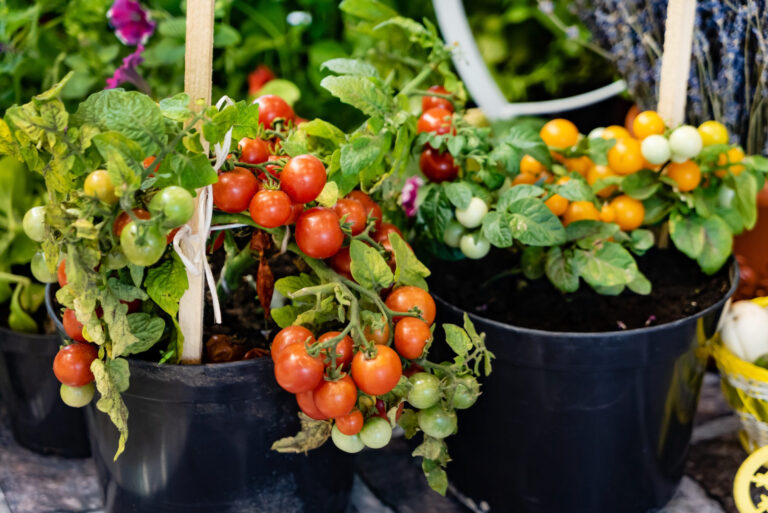
Growing tomatillos in containers is easier than most gardeners expect—especially if you garden in a warm climate like Sonoma Valley. I’ve grown tomatillos both in raised beds and large containers for years, and container-grown plants can be just as productive when given enough space, warmth, and support.
Below is the method I rely on for strong plants, steady flowering, and a reliable harvest.
Choose the Right Container
Pot Size
Tomatillos develop a broad, branching canopy and a deep feeder-root system. For best growth:
- Minimum size: 15–20 gallons
- Ideal size: A 20–25 gallon container, 18–20 inches deep
- Material: Fabric pots work best; they keep roots cool and prevent waterlogging
Whenever I’ve used smaller pots, plant size and fruit set were noticeably reduced.
Know What to Plant This Week
Every week I answer the gardener's most important question: what should I plant now? Get seasonal planting advice free — or go Pro for my full Soil Temperature Garden Report, with soil temperature, moisture, weather trends, and crop-by-crop recommendations.
Use a Light, Well-Draining Soil Mix
Tomatillos dislike heavy soil. A loose, airy container mix supports vigorous root growth and steady flowering.
My recommended mix (by volume):
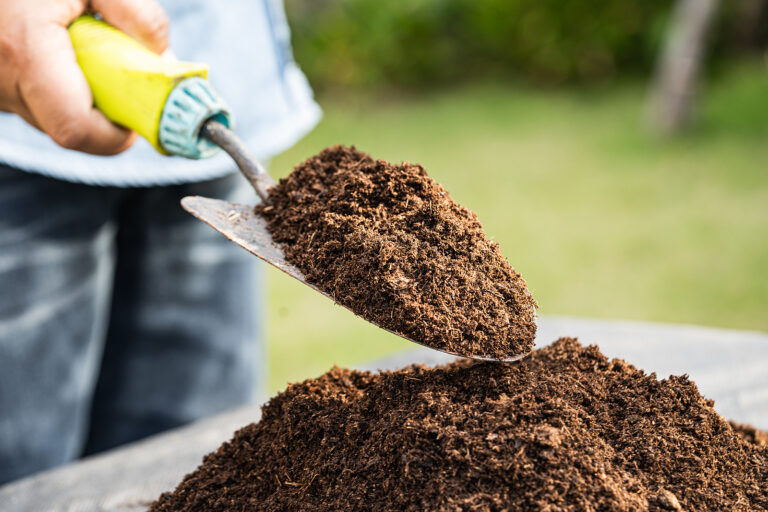
- 50% high-quality potting soil
- 25% compost
- 25% coconut coir or fine bark
- A handful of organic granular fertilizer at planting (balanced N-P-K)
This mix holds moisture but drains quickly—crucial for preventing root stress.
Planting: Two Plants Are Better Than One
Tomatillos require cross-pollination, so grow at least two plants. I plant two in separate containers or two in one extra-large grow bag (25 gallons or larger).
Transplant when:
- Night temperatures stay above 55°F
- Containers can sit in a full-sun location (8+ hours a day)
Provide Strong Support Early
Tomatillo plants sprawl. In containers, they can bend or tip if not staked early.
Best container supports:
- Tomato cages
- Two stakes with horizontal ties
- A small trellis panel inserted at planting
I insert the support before the plant needs it—trying to add it midseason always causes root disturbance.
Water Deeply and Consistently
Container soil dries out faster, especially in summer heat. My routine:
- Water deeply until it drains from the bottom
- Let the top 1–2 inches dry between waterings
- In hot weather, water daily; in mild weather, every 2–3 days
Avoid shallow watering—it leads to small fruits and weak branching.
Feed Regularly for Good Fruit Set
Tomatillos are moderate feeders. In containers, nutrients wash out faster, so consistent feeding is essential.
I use:
- A light granular organic fertilizer at planting
- Liquid kelp or fish emulsion every 2–3 weeks during flowering and fruiting
Too much nitrogen encourages vines at the expense of fruit, so keep feedings balanced.
Sun and Temperature Needs
Tomatillos thrive in full, warm sun.
- Sunlight: 8–10 hours
- Ideal daytime temperature: 75–90°F
- Night minimum: 55°F
On cooler coastal mornings, I often warm containers by placing them on stone or concrete that absorbs heat.
Manage Vines and Improve Airflow
Container-grown plants can grow dense quickly. To keep them productive:
- Prune out crossing or low branches
- Tie long stems lightly to the support
- Remove foliage shading developing husks
This keeps airflow moving and reduces the chance of fungal issues.
Harvesting Tomatillos in Containers
Tomatillos in pots mature quickly once summer heat arrives. Harvest when:
- Husks fill completely
- Fruits push against the husk
- Husks start to dry or split
In containers, plants tend to produce slightly earlier than in-ground plants due to the warmer root zone.
Final Tip From Experience
The most productive container setup I’ve used is:
- Two 20-gallon fabric pots
- Each with a single tomatillo plant
- Lightweight soil mix
- A tall cage or mesh panel
- Weekly feeding
- Daily watering in summer
This combination produces heavy yields, even in small spaces.
Tomatillo Learning Hub
Start Here
Planning, Timing & Varieties
- When and How to Plant Tomatillos for Maximum Yield
- Tomatillo Planting Calendar: Month-by-Month Guide
- Tomatillo Seed Starting Tips
- Best Tomatillo Varieties for Home Gardens
- Short-Season and Fast-Maturing Tomatillos
Planting & Early Growth
Watering, Feeding & Seasonal Care
- Watering and Feeding Tomatillos: How to Boost Fruit Production
- Tomatillo Plant Care: Pruning, Supporting, and Seasonal Tips
Pests, Diseases & Natural Control
Harvest and Kitchen