The Best Leaf Rakes: What Actually Works

A leaf rake is one of the most recognizable garden tools, but most people only think of it once a year—fall cleanup. In reality, a good leaf rake is useful far beyond leaves. It’s used for light debris removal, lawn cleanup, bed tidying, and even gathering mulch or clippings without damaging plants.
What actually works comes down to three things: tine flexibility (so it glides over turf), head width (coverage vs control), and material (plastic, bamboo, or metal). A good leaf rake should move material—not dig into the soil or tear up grass.
Best Leaf Rakes
Best Overall:
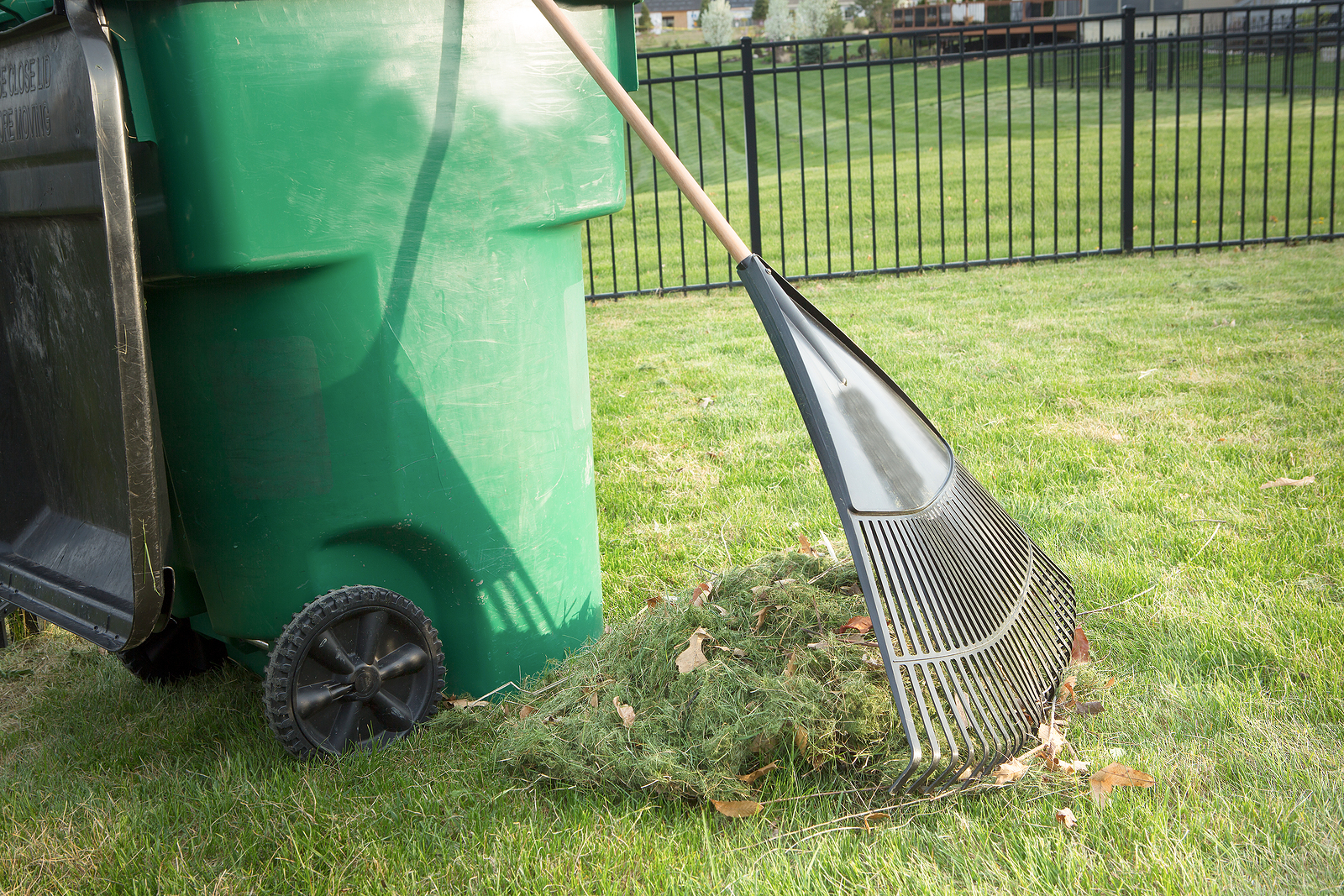
Fiskars Leaf Rake Ergonomic Lawn Rake
This is the standard for homeowners who want fast, low-effort cleanup without damaging turf.
Know What to Plant This Week
Every week I answer the gardener's most important question: what should I plant now? Get seasonal planting advice free — or go Pro for my full Soil Temperature Garden Report, with soil temperature, moisture, weather trends, and crop-by-crop recommendations.
Best for: Yard cleanup, lawns, light debris
Why it wins: Wide coverage + lightweight control
Pros:
- Wide fan head moves large volumes quickly
- Flexible tines protect grass
- Lightweight and easy on the back
Cons:
- Not suited for heavy or wet material
Best Heavy-Duty Leaf Rake:
Heavy-duty poly leaf rake built for tough seasonal cleanup and large leaf volumes.
When leaves are thick, wet, or overwhelming, durability matters.
Best for: Heavy leaf fall, large yards
Pros:
- Strong reinforced head
- Handles large volumes
- Durable construction for seasonal abuse
Cons:
- Slightly heavier than lightweight rakes
Best Budget Option:
Affordable, lightweight leaf rake for basic yard cleanup and seasonal use.
A simple, reliable rake for basic homeowner needs.
Best for: Occasional cleanup, small yards
Pros:
- Low cost
- Lightweight and easy to use
- Good for dry leaves
Cons:
- Less durable under heavy use
Best Adjustable Leaf Rake:
Jardineer Adjustable Leaf Rake
Adjustable-width rake that adapts for tight spaces or wide sweeping coverage.
One rake that adapts to different garden conditions.
Best for: Mixed yard sizes, tight + open areas
Pros:
- Adjustable head width
- Versatile for multiple tasks
- Compact storage
Cons:
- Less rigid than fixed-frame rakes
Best Lightweight Bamboo Option:
Ultra-light bamboo-style rake designed for fast sweeping and reduced fatigue during long cleanup sessions.
Designed for speed and comfort during long raking sessions.
Best for: Long cleanup sessions, light debris
Pros:
- Extremely lightweight
- Reduces fatigue significantly
- Smooth sweeping motion
Cons:
- Not ideal for wet or heavy piles
Types of Leaf Rakes (And When to Use Them)
1. Plastic Leaf Rakes
Lightweight and flexible—best for dry leaves and lawn-safe cleanup.
2. Metal Leaf Rakes
More rigid and durable—better for heavier, wetter leaf piles but less gentle on turf.
3. Bamboo Leaf Rakes
Light, flexible, and naturally resistant to rust—good balance between plastic and metal designs.
4. Adjustable Leaf Rakes
Allow you to switch between wide cleanup mode and narrow precision work in tight spaces.
How Leaf Rakes Are Actually Used
In a working garden, leaf rakes aren’t just for fall cleanup:
1. Lawn Cleanup
Gathering leaves and grass clippings without damaging turf.
2. Bed Maintenance
Lightly clearing debris around perennials and shrubs.
3. Mulch and Compost Handling
Spreading lightweight organic material across beds.
4. Seasonal Cleanup
Resetting garden beds between planting cycles.
How to Use a Leaf Rake Correctly
1. Use a sweeping motion, not digging
Leaf rakes are designed to glide—not penetrate soil.
2. Work with dry leaves when possible
Wet leaves are heavier and harder to move efficiently.
3. Rake in sections
Small piles are easier to manage than one large windrow.
4. Match rake width to space
Wide heads for open areas, narrow for tight beds.
5. Avoid soil contact
Leaf rakes are not designed for soil work—this shortens their life.
What Actually Matters When Choosing
- Tine flexibility (protects grass and plants)
- Head width (speed vs precision)
- Weight (fatigue over long sessions)
- Material (plastic = light, metal = durable, bamboo = balanced)
Most experienced gardeners keep one wide leaf rake for lawns and a smaller adjustable rake for tight spaces.
Why This Advice Works
This guidance comes from decades of hands-on gardening experience managing lawns, raised beds, and mixed ornamental spaces. In real use, leaf rakes fail not from design alone—but from being misused for soil or heavy material they weren’t built for.
The rakes recommended here are selected for real-world comfort, durability under seasonal use, and efficient cleanup without damaging turf or plantings.