The Best Soaker Hoses: What Actually Works

If you want the most efficient way to water a home garden, a soaker hose is hard to beat. Instead of spraying water into the air (and losing much of it to evaporation), a soaker hose delivers slow, steady moisture directly to the root zone—exactly where plants need it.
What actually works comes down to three things: material (rubber vs flat fabric), pressure consistency, and layout flexibility. Get those right, and you’ll use less water, grow deeper roots, and spend far less time watering.
Best Soaker Hoses
Best Overall:
Hourleey 100 ft Flat Fabric Soaker Hose
This is the best all-around choice for most home gardens—especially raised beds and row planting.
Know What to Plant This Week
Every week I answer the gardener's most important question: what should I plant now? Get seasonal planting advice free — or go Pro for my full Soil Temperature Garden Report, with soil temperature, moisture, weather trends, and crop-by-crop recommendations.
Best for: Vegetable beds, long rows, raised beds
Why it wins: Even distribution + easy placement
Pros:
- Uniform seepage along entire length
- Flat design is easy to snake through beds
- Stores compactly
Cons:
- Needs proper pressure (low to moderate)
Best Heavy-Duty Rubber:
Gilmour 50 ft Round Soaker Hose
Durable rubber construction handles higher pressure while delivering consistent deep-root watering.
If durability matters most, rubber hoses outperform flat fabric.
Best for: Long-term use, permanent setups
Pros:
- Withstands higher pressure
- Durable and long-lasting
- Consistent seep rate
Cons:
- Heavier and less flexible
Best Budget Option:
Flexon 50 ft Garden Soaker Hose
Affordable and effective option for small gardens and simple irrigation setups.
A reliable entry-level hose that gets the job done without overspending.
Best for: Small gardens, beginners
Pros:
- Affordable
- Good water distribution
- Easy to set up
Cons:
- Less durable than premium models
Best System Kit:
Yaneyan 100 ft Soaker Hose Kit
Complete system with connectors allows custom layouts across multiple beds and garden zones.
For gardeners who want to build a full irrigation layout.
Best for: Multi-bed systems, custom layouts
Pros:
- Includes connectors and fittings
- Expandable design
- Ideal for organized irrigation
Cons:
- More setup time
Best Heavy-Duty Upgrade:
RainPoint 100 ft Rubber Soaker Hose
Thick rubber construction with pressure stability and high water efficiency for larger gardens.
A strong performer for larger gardens where consistency matters.
Best for: Larger spaces, frequent use
Pros:
- Strong, anti-burst design
- Even water flow
- High water efficiency
Cons:
- Higher price
Types of Soaker Hoses (And When to Use Them)
1. Flat Soaker Hoses
- Best for: Raised beds, row crops
- Why they work: Easy to position and store
2. Round Rubber Soaker Hoses
- Best for: Long-term installations
- Why they work: More durable and pressure-resistant
3. Soaker Hose Kits
- Best for: Custom layouts
- Why they work: Connect multiple lines and zones
4. Bulk Soaker Lines
- Best for: Large gardens or serious growers
- Why they work: Maximum flexibility and scalability
How Soaker Hoses Are Actually Used
In a productive garden, soaker hoses are about deep, efficient watering, not surface wetting:
1. Root-Zone Irrigation
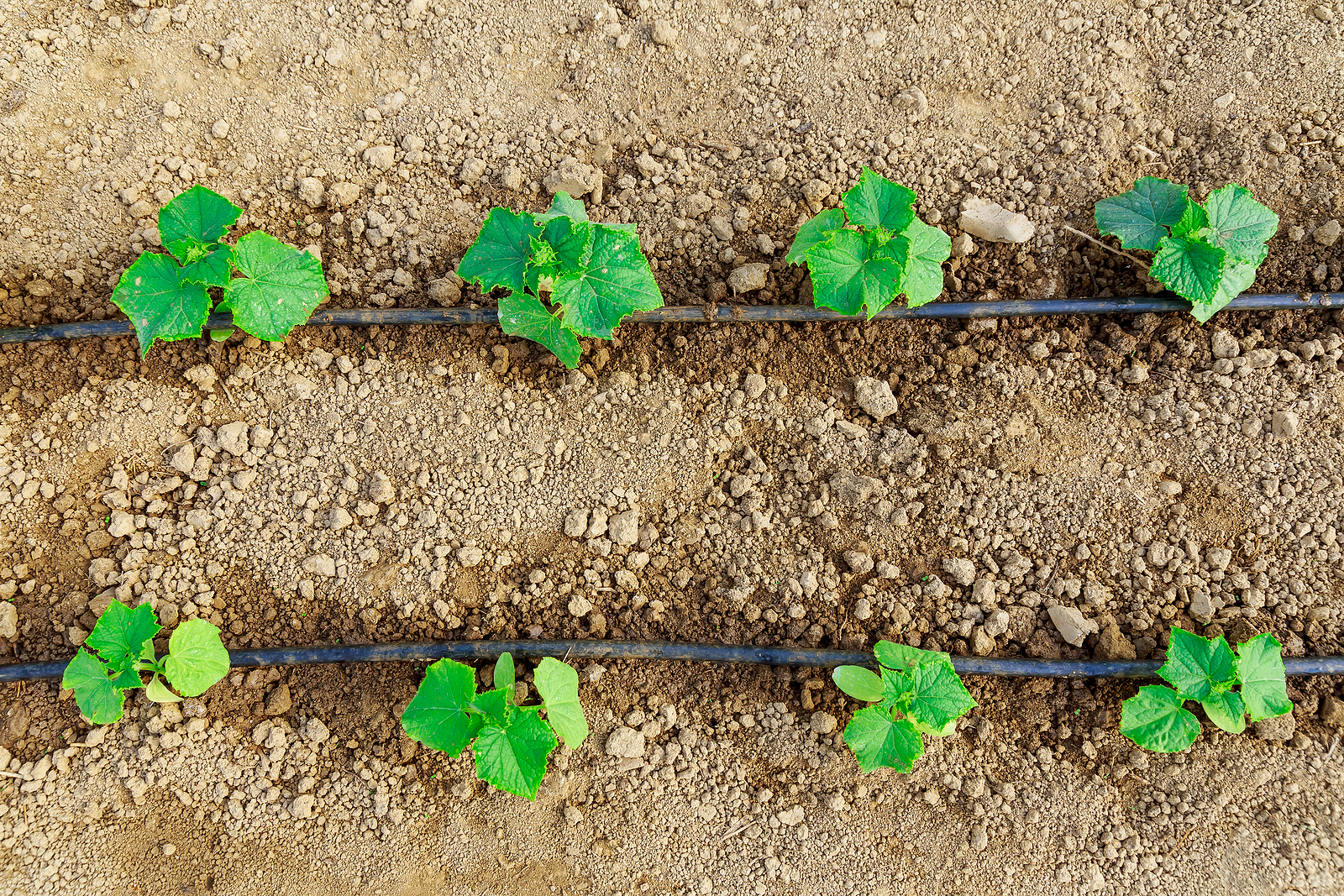
Place the hose along plant rows so water seeps directly into the root zone.
2. Raised Bed Layouts
Snake the hose back and forth across beds for even coverage.
3. Mulched Beds
Cover hoses with mulch to reduce evaporation and improve efficiency.
4. Timed Irrigation
Connect to a timer for consistent watering without daily effort.
How to Use a Soaker Hose Correctly
1. Keep pressure low
High pressure leads to uneven watering and blowouts.
2. Lay hoses on level ground
Slopes can cause uneven distribution.
3. Run long enough for deep soak
Aim for moisture 6–12 inches deep.
4. Cover with mulch
Improves efficiency and protects the hose.
5. Flush occasionally
Prevents clogging and mineral buildup.
What Actually Matters When Choosing
- Even water distribution: The most important factor
- Material: Rubber lasts longer; fabric is easier to handle
- Length: Match to your bed size
- System flexibility: Important for larger gardens
Most experienced gardeners use flat hoses for beds and rubber hoses for permanent runs.
Why This Advice Works
This guidance comes from decades of hands-on vegetable gardening, especially in raised beds and intensive planting systems. In real gardens, overhead watering wastes water and encourages disease—while soaker hoses deliver moisture exactly where it’s needed.
The hoses recommended here are selected for consistent seep rate, durability, and how well they perform over an entire growing season.