The Best Garden Sprayer: What Actually Works

If you want consistent results in the garden—whether you’re feeding plants, controlling pests, or applying organic treatments—a reliable sprayer is non-negotiable. The problem is, most frustration doesn’t come from the solution you’re spraying—it comes from the sprayer itself: clogging nozzles, uneven pressure, leaky seals, and poor coverage.
What actually works comes down to three things: consistent pressure, the right capacity for your space, and a nozzle that matches the job. Get those right, and spraying becomes fast, precise, and effective.
Best Garden Sprayers
Best Overall:
Chapin 20000 1-Gallon Lawn and Garden Pump Sprayer
A proven, no-nonsense sprayer that delivers steady pressure and reliable performance.
Know What to Plant This Week
Every week I answer the gardener's most important question: what should I plant now? Get seasonal planting advice free — or go Pro for my full Soil Temperature Garden Report, with soil temperature, moisture, weather trends, and crop-by-crop recommendations.
Best for: General garden use—fertilizing, pest control, foliar feeding
Pros:
- Simple pump design that rarely fails
- Easy to clean and maintain
- Lightweight and maneuverable
Cons:
- Requires manual pumping to maintain pressure
Best Upgrade Pick:
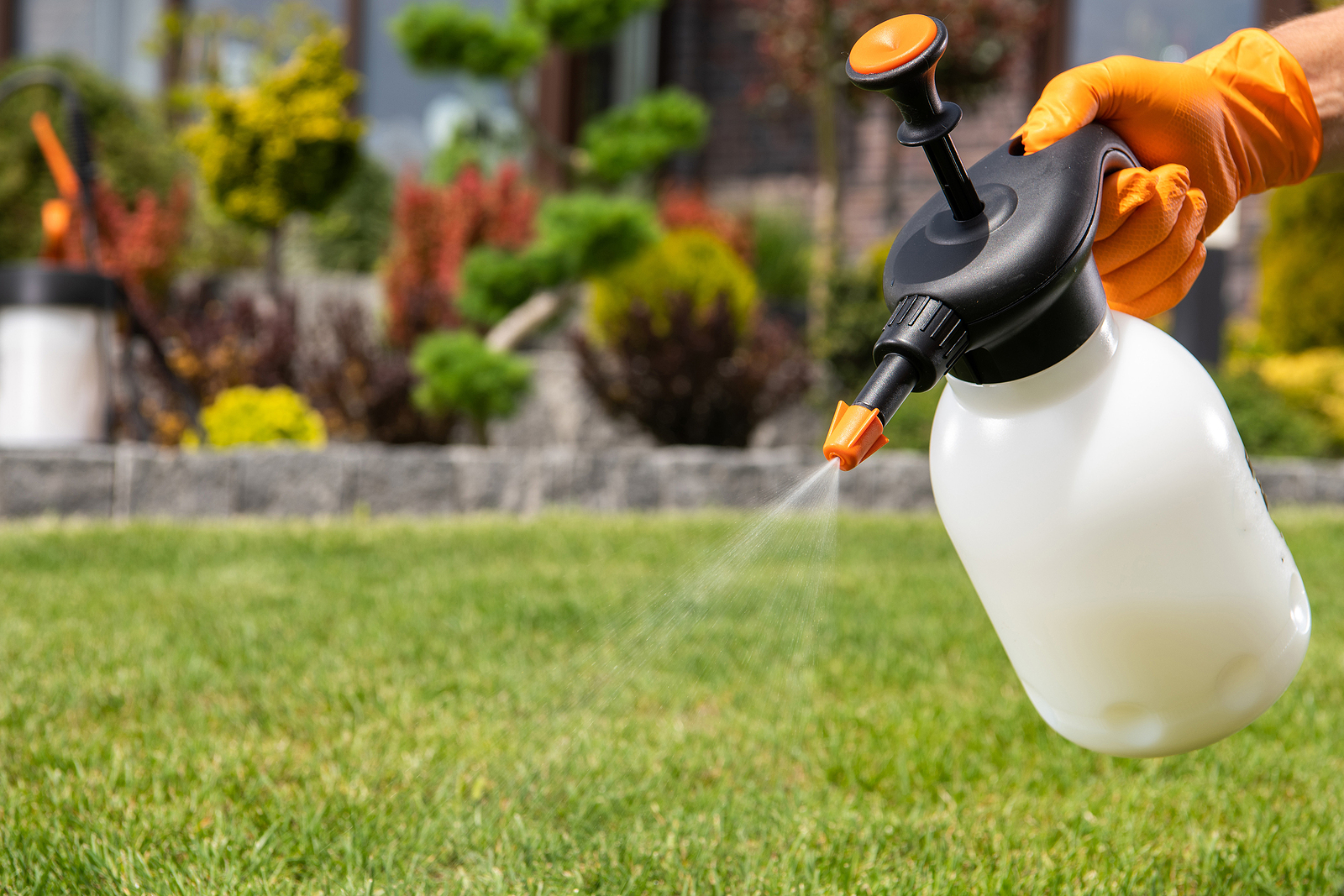
Solo 418 2-Liter One-Hand Pressure Sprayer
Compact, precise, and ideal for gardeners who want control without bulk.
Best for: Small gardens, spot treatments
Pros:
- One-hand operation
- Consistent fine spray
- Durable build quality
Cons:
- Limited capacity
Best Backpack Sprayer:
Field King 190328 4-Gallon Backpack Sprayer
When you need coverage and efficiency, a backpack sprayer is the answer.
Best for: Larger gardens, frequent spraying
Pros:
- High capacity reduces refilling
- Even pressure with less fatigue
- Comfortable for extended use
Cons:
- Higher cost
- Requires cleaning discipline
Best Battery-Powered Sprayer:
Scotts 2-Gallon Lithium-Ion Sprayer
For gardeners who want push-button convenience and consistent pressure.
Best for: Medium to large gardens
Pros:
- No manual pumping
- Steady spray output
- Easy to use for longer sessions
Cons:
- Requires charging
- More components to maintain
Best Hose-End Sprayer:
Ortho Dial N Spray Hose-End Sprayer
Fastest way to apply liquid fertilizer over large areas.
Best for: Feeding lawns, large beds
Pros:
- Covers large areas quickly
- No pumping required
- Adjustable dilution settings
Cons:
- Less precise
- Depends on hose pressure
Types of Garden Sprayers (And When to Use Them)
1. Handheld Pump Sprayers
- Capacity: 1–2 gallons
- Best for: Everyday garden tasks
- Use when you need flexibility and control
2. Backpack Sprayers
- Capacity: 3–4+ gallons
- Best for: Large gardens or frequent applications
- Use when you want efficiency and fewer refills
3. Battery-Powered Sprayers
- Capacity: 2–4 gallons
- Best for: Consistent pressure without effort
- Use when you spray often and want convenience
4. Hose-End Sprayers
- Capacity: Attaches to hose
- Best for: Large-area feeding
- Use when speed matters more than precision
How Garden Sprayers Are Actually Used
In a working garden, sprayers are used for far more than pest control:
1. Foliar Feeding
Apply diluted liquid fertilizers directly to leaves for fast nutrient uptake.
2. Pest and Disease Control
Use organic or synthetic sprays to control aphids, mites, mildew, and more.
3. Weed Control (Targeted)
Spot-treat weeds without disturbing surrounding plants.
4. Seedling Care
Apply gentle sprays to protect young plants from pests and stress.
5. Soil Drenching
Deliver nutrients or treatments directly to the root zone.
How to Use a Garden Sprayer Correctly
Most problems come from poor technique—not the tool.
1. Mix accurately
Always follow label directions. Over-concentration damages plants.
2. Spray early or late in the day
Avoid midday heat to prevent leaf burn and evaporation.
3. Maintain even pressure
Pump regularly (or use battery-powered) to keep coverage consistent.
4. Spray to coat, not drip
Leaves should be evenly covered—not dripping.
5. Clean immediately after use
Rinse thoroughly to prevent clogging and chemical buildup.
What Actually Matters When Choosing a Sprayer
- Pressure consistency: Determines coverage quality
- Nozzle adjustability: Controls spray pattern (mist vs stream)
- Capacity: Impacts how often you refill
- Ease of cleaning: Critical for long-term reliability
Serious gardeners often keep two sprayers:
- One for fertilizers
- One for pest/disease treatments
This prevents cross-contamination and keeps applications effective.
Why This Advice Works
This guidance comes from decades of hands-on gardening experience, including year-round vegetable production in raised beds. In real gardens, sprayers are used weekly—for feeding, protecting, and maintaining plant health.
The tools recommended here are selected based on reliability, ease of use, and consistent spray performance over time—not just features on paper.