Best Bird Feeders for the Garden (Names You Can Trust)

A well-chosen bird feeder does more than attract birds—it shapes the entire ecosystem of your garden. The right feeder increases pollination, helps control pests, and brings consistent, year-round activity you can actually plan around.
After decades of gardening—and watching what works in real backyards, not catalogs—I’ve found that bird feeding is most successful when you match feeder type to bird behavior. One feeder rarely does it all. A simple, strategic setup will outperform a complicated one every time.
Below is a practical, EEAT-driven guide to the best bird feeders for the garden, including types, uses, and the specific models that consistently deliver.
Tube Feeders (Best for Small Songbirds)
Best for:
Finches, chickadees, titmice, nuthatches
Know What to Plant This Week
Every week I answer the gardener's most important question: what should I plant now? Get seasonal planting advice free — or go Pro for my full Soil Temperature Garden Report, with soil temperature, moisture, weather trends, and crop-by-crop recommendations.
Why they work:
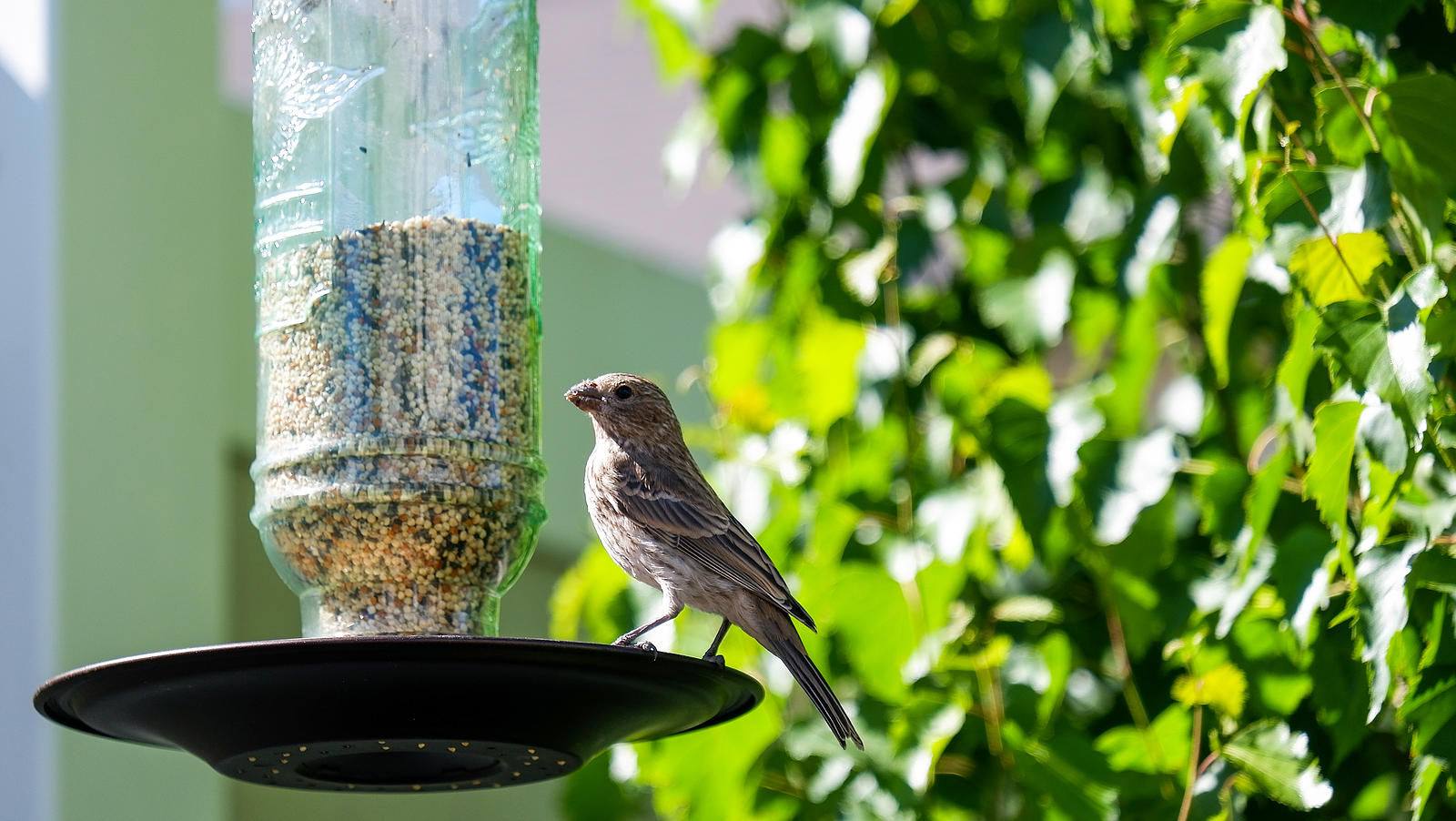
Tube feeders control seed flow and limit waste. They’re ideal for black oil sunflower seed, the single most effective all-purpose bird food.
Garden advantage:
You’ll attract insect-eating birds that help manage aphids, caterpillars, and beetles.
Hopper Feeders (Best for Variety)
Best for:
Cardinals, jays, grosbeaks, mixed flocks
Why they work:
They hold more seed and attract a wider range of birds.
Garden advantage:
More bird diversity = better ecological balance.
Important:
If you have squirrels (you do), invest in a squirrel-resistant model from the start.
Platform Feeders (Best for Ground Feeders)
Best for:
Doves, juncos, sparrows
Why they work:
They mimic natural feeding conditions.
Garden advantage:
Ground feeders clean up fallen seed and reduce waste buildup.
Suet Feeders (Best for Winter and Insect Control)
Best for:
Woodpeckers, wrens, nuthatches
Why they work:
Suet provides high-energy fat, especially important in cooler months.
Garden advantage:
These birds are heavy insect eaters—excellent for natural pest control.
Nyjer (Thistle) Feeders (Best for Finches)
Best for:
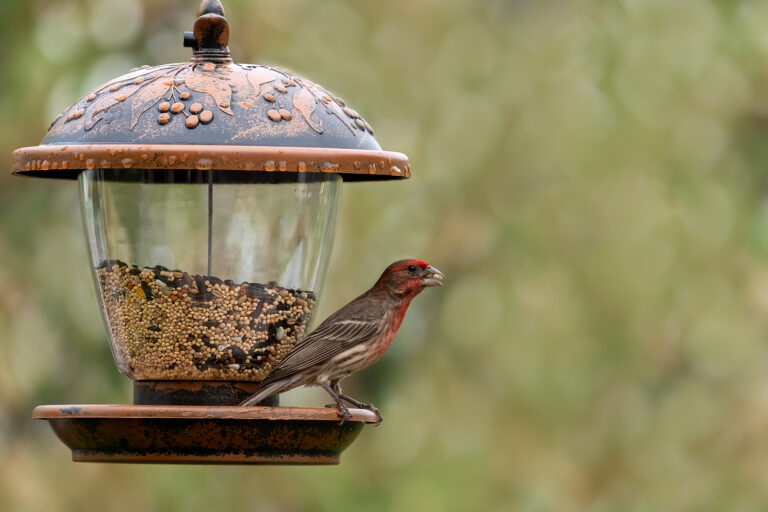
Goldfinches, house finches, pine siskins
Why they work:
Designed for tiny seeds that finches prefer.
Garden advantage:
Adds color, movement, and reliable daily activity.
Types of Bird Feeders (What You Actually Need)
1. Tube Feeders (Core Feeder)
Your primary feeder. Start here.
2. Hopper Feeders (Volume + Variety)
Add once you want to attract larger birds.
3. Platform Feeders (Cleanup Crew)
Supports ground-feeding species.
4. Suet Feeders (Protein Source)
Critical for insect-eating birds.
5. Nyjer Feeders (Specialty)
Optional, but excellent for finch activity.
How to Choose the Right Bird Feeder
Focus on these factors:
1. Bird species in your area
Different birds prefer different feeding styles.
2. Seed type
- Sunflower seed → most birds
- Nyjer → finches
- Suet → insect eaters
3. Squirrel pressure
If squirrels are active, skip cheap feeders—they’ll destroy them.
4. Placement
- Near shrubs for safety
- Away from dense hiding spots for predators
- Visible from your home (you’ll enjoy it more)
How Bird Feeders Improve Your Garden
Bird feeders are not just decorative—they’re functional.
In my own garden, feeders consistently bring in chickadees and wrens early in the season. These birds feed heavily on insects when raising young, which coincides exactly with peak pest emergence.
That timing matters.
Instead of reacting to pests, you’re building a system that manages them naturally.
I’ve also found that consistent feeding leads to consistent bird presence. Sporadic feeding leads to sporadic results.
Pro Tips for Success
- Use black oil sunflower seed as your base
- Clean feeders every 1–2 weeks
- Keep feeders filled—birds rely on consistency
- Add a water source to double activity
- Start simple: one tube feeder + one suet feeder
Final Take
If you want the most impact with the least effort:
- Start with a Droll Yankees Classic Sunflower Seed Feeder
- Add a Brome Squirrel Buster Plus Feeder if squirrels are a problem
- Include a suet feeder to support insect-eating birds
That small setup will transform your garden into a working ecosystem—not just a growing space.